

Prefabrication in Developing Countries
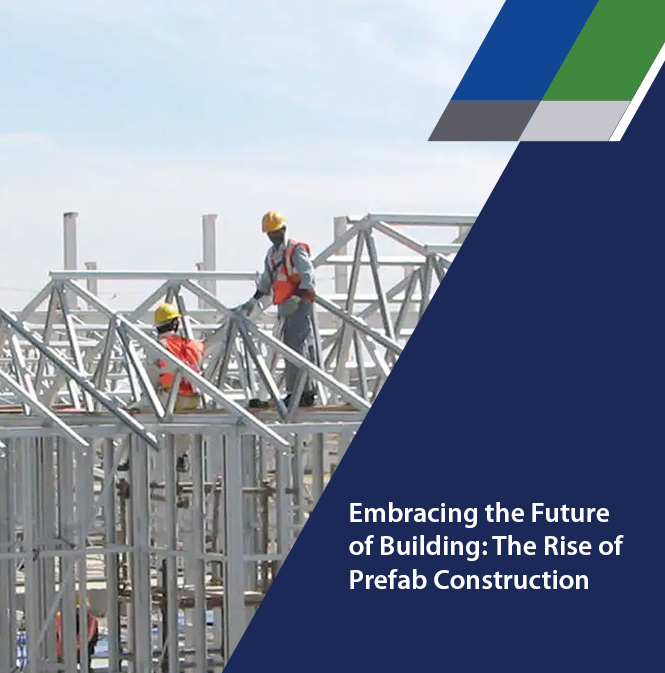
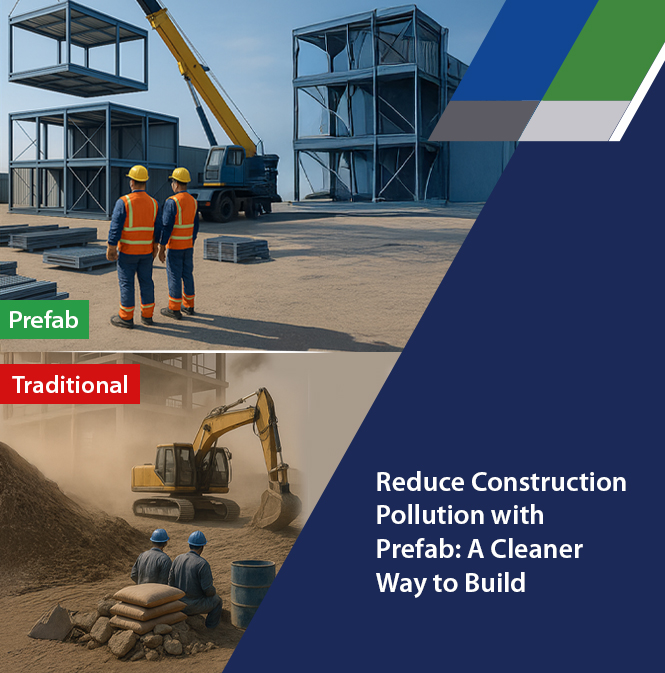
The role of prefabrication in architecture has been lauded for its potential to increase productivity and efficiency while not sacrificing quality. The values of better, faster, and cheaper apply to developed countries like the US, Japan, and Europe, whose middle class continues to demand this equation in buildings that range from the remarkable to the prosaic. Developing countries like China, India, Africa, and South America that are beginning to rely on prefabrication have the potential advantages of realizing housing quickly and affordably. Countries such as India are undoubtedly suffering more banality in the environment by embracing prefabrication.
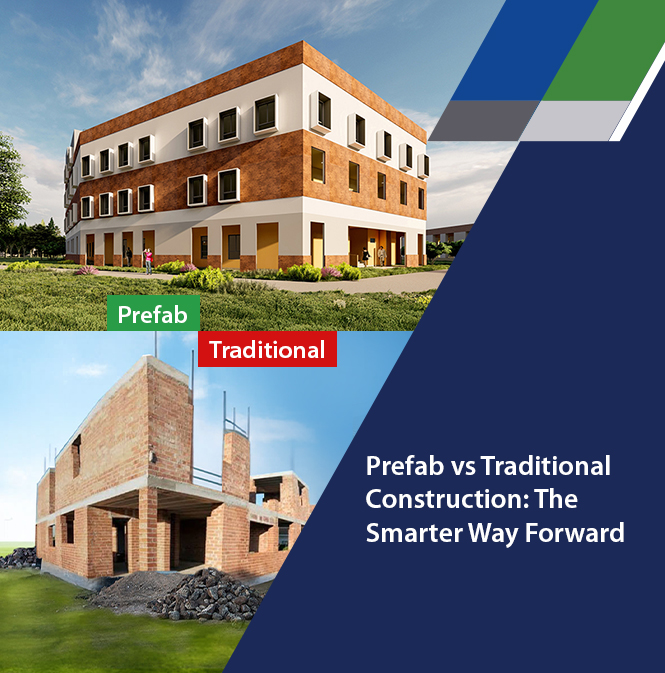
Prefabrication in India began with the emergence of the Hindustan Housing Factory. Our first Prime Minister, Pandit Jawaharlal Nehru, developed the company as a solution to the housing crisis that resulted from the influx of refugees in the 1950s. When HHF intended to produce low-income housing solutions, they came up with prefabrication solutions. However, Traditional construction techniques began to change to advanced methods which catered to the prefabrication housing market. Material advanced in the prefabrication housing market has also helped to mitigate material failures. The material manufacturing is more predictable and therefore serves to build more seismically resistant structures.
Some of the ethical dilemmas of technology transfer are as follows:
- Transportation costs
- Usage and transfer of new technology
- Human rights
"Some argue that technology has brought humankind many negative effects, including stress-related diseases caused by people's inability to cope with the world that is moving too fast due to rapid technological progress."
Prefabrication technology has not transferred as quickly as other technologies because it is a production technology or knowledge-based and not a consumption technology or product-based.
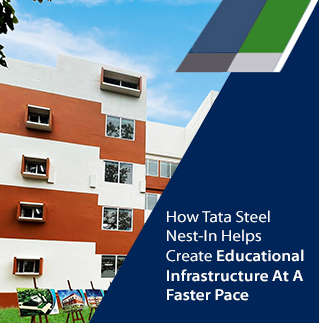
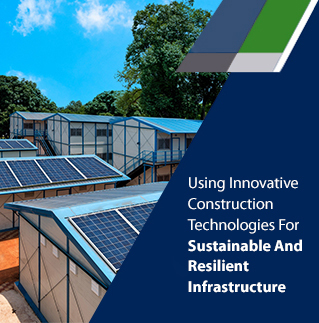
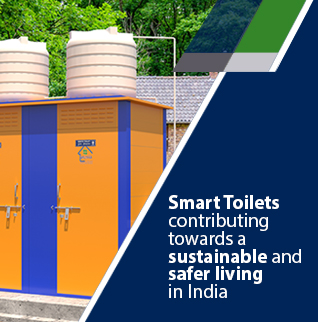
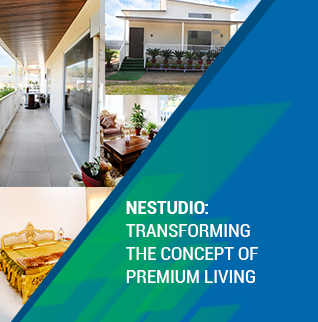
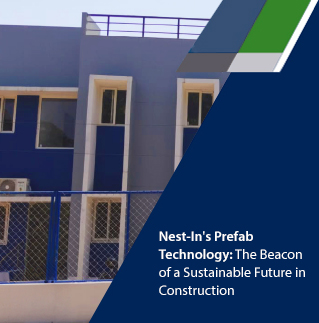
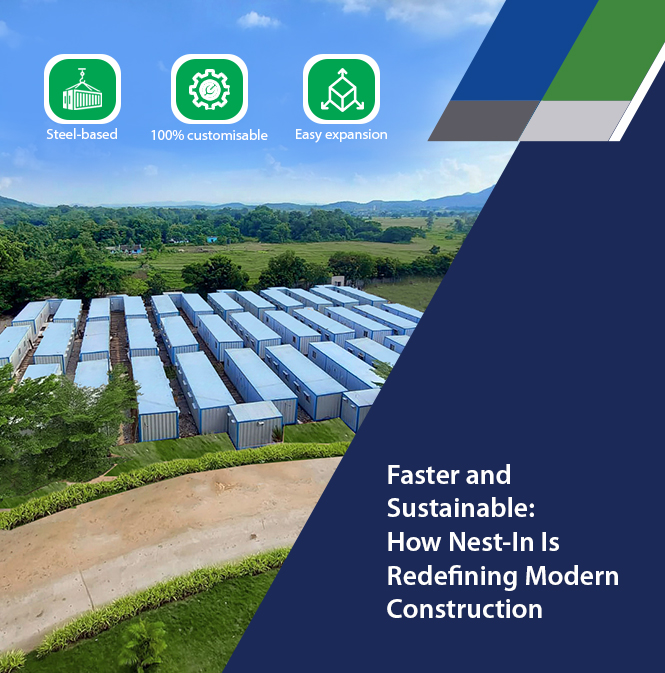
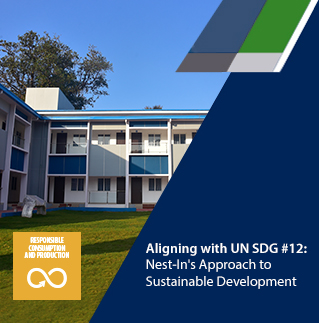
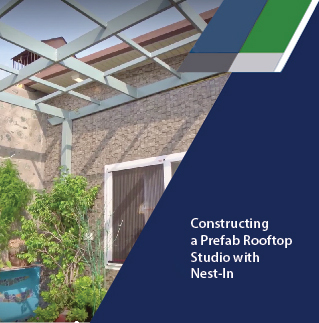
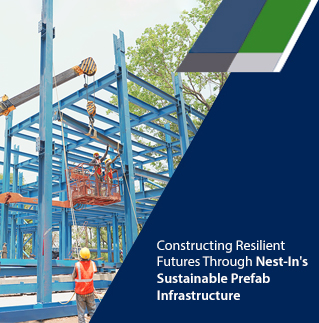
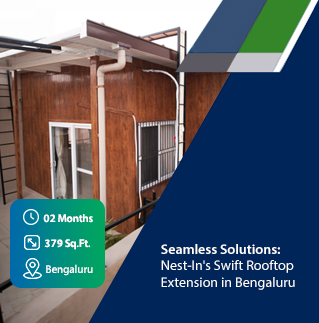
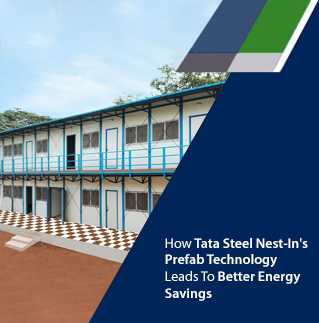
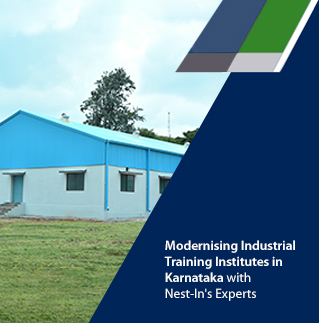
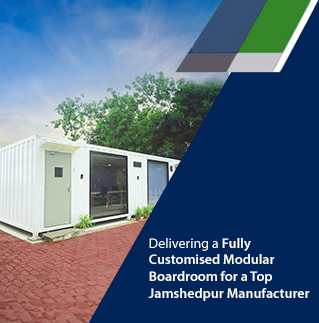
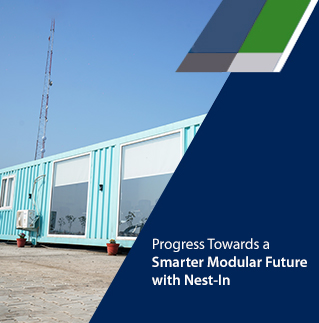
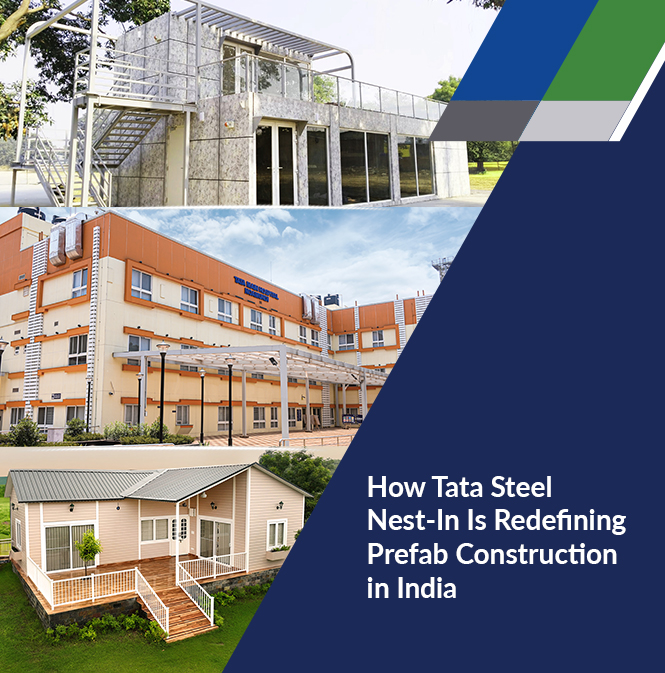
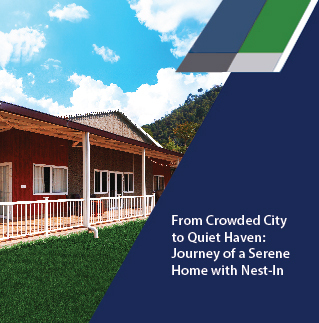
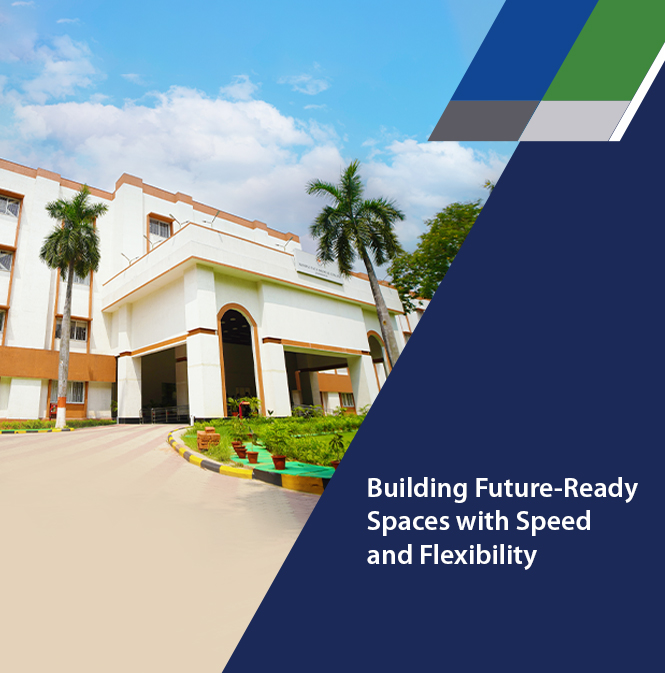
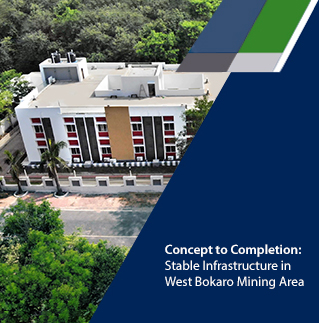
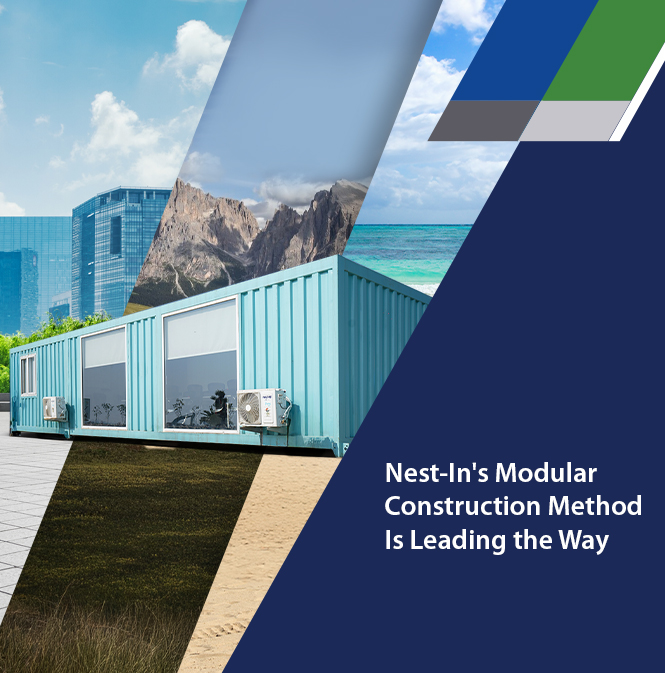
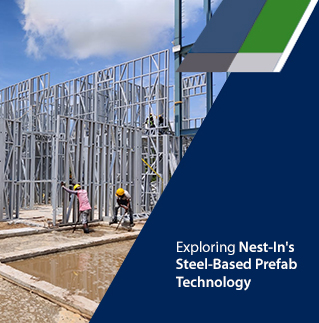
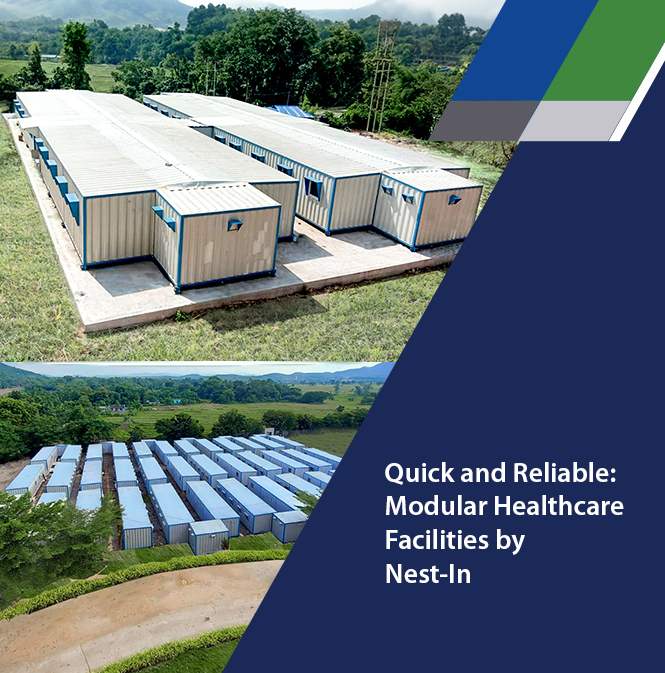
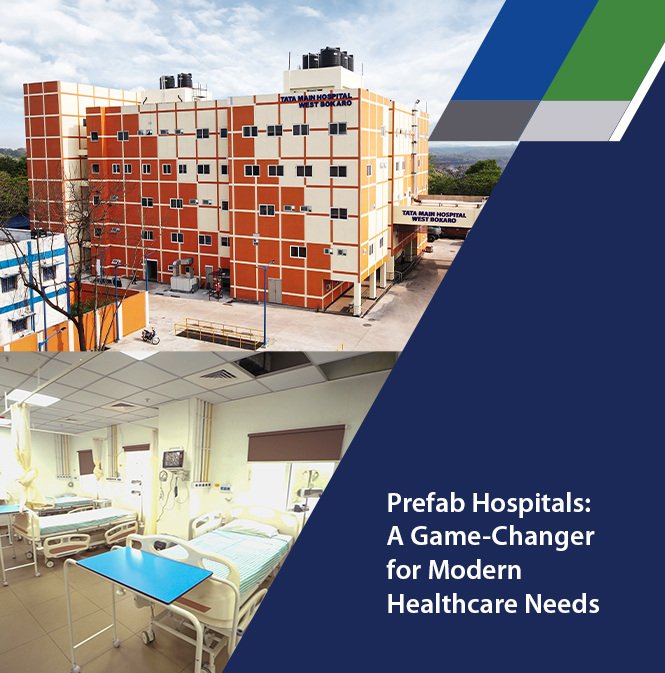
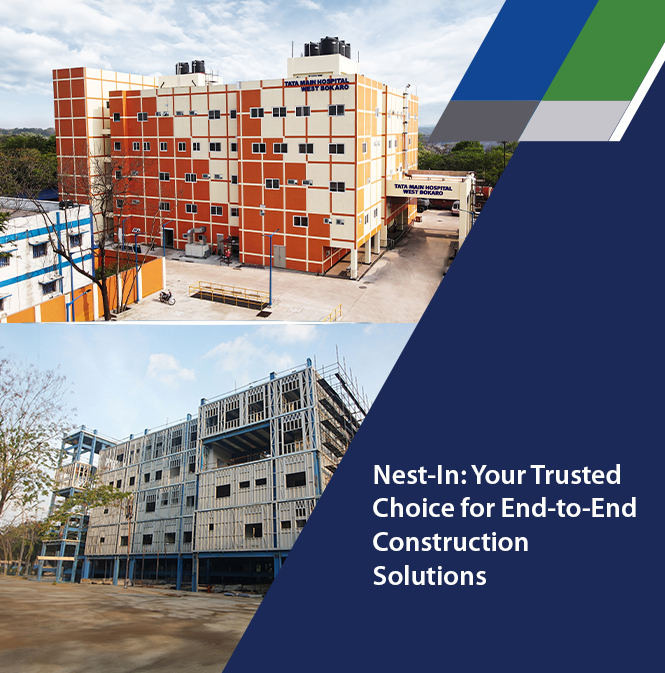
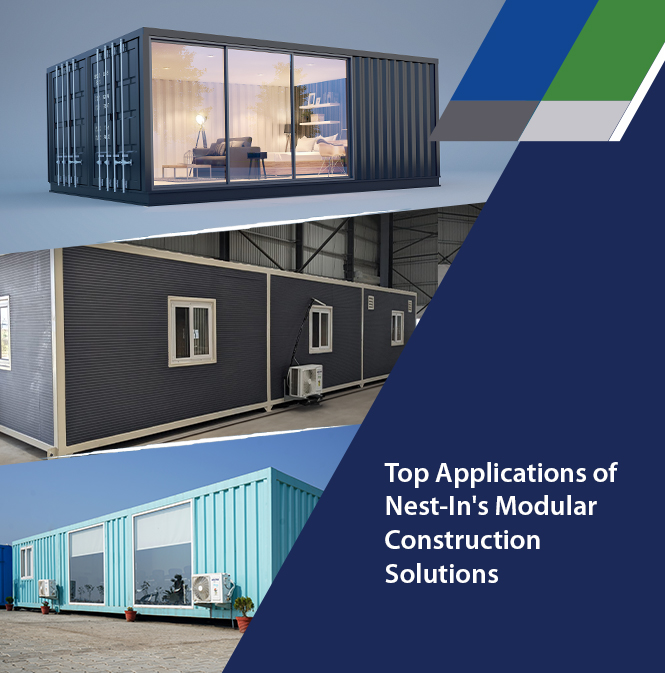
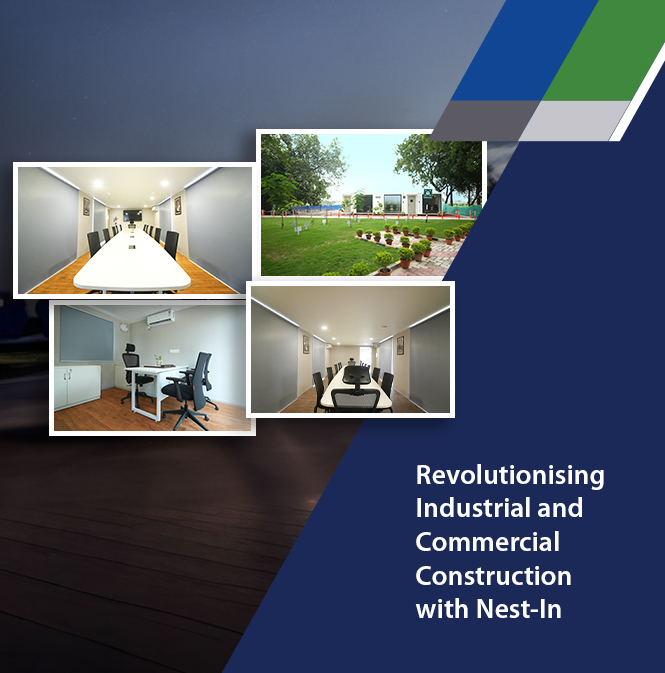
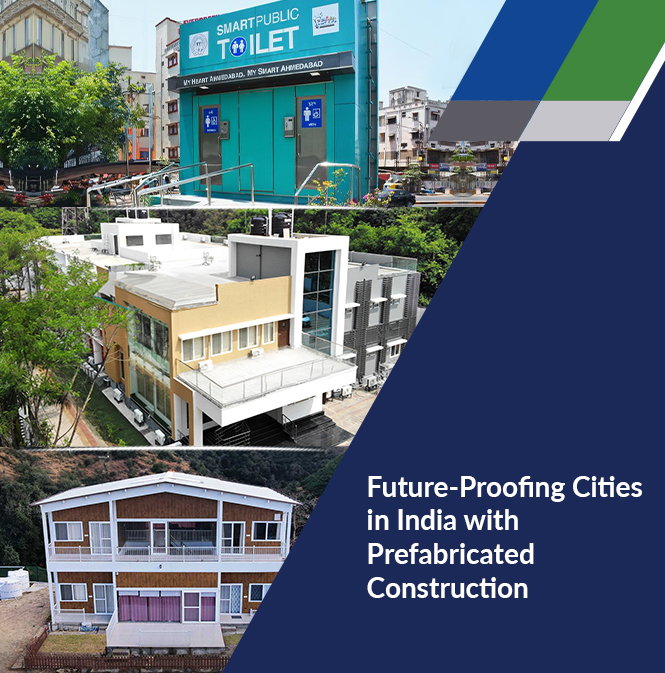
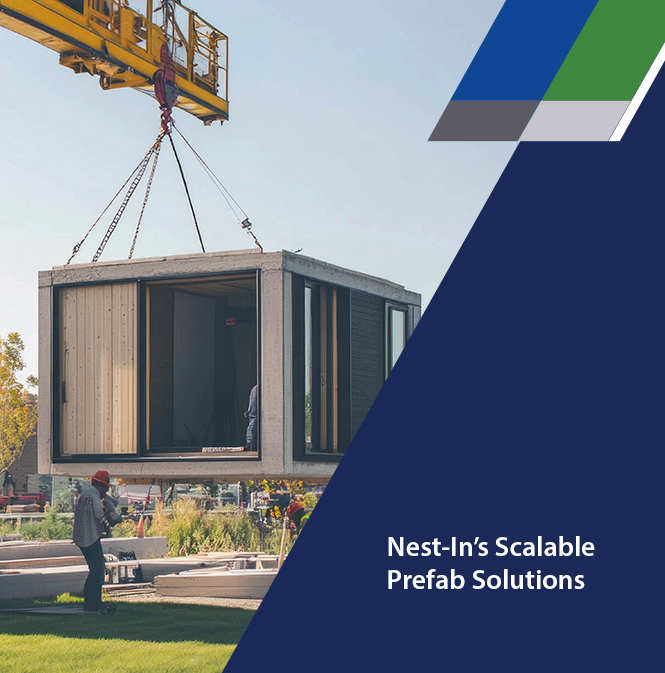
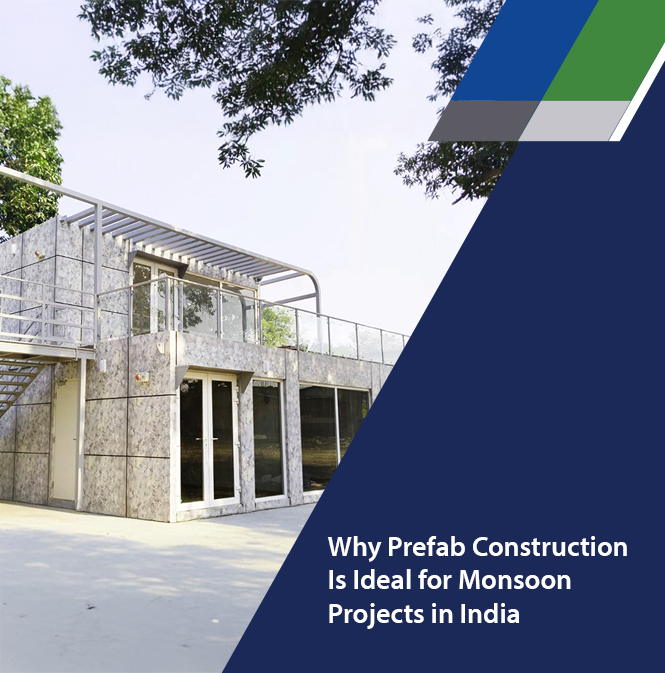
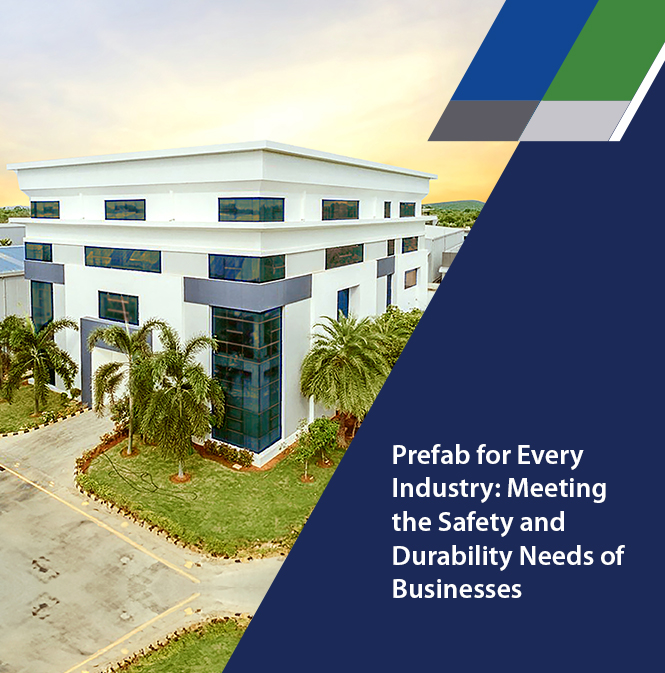
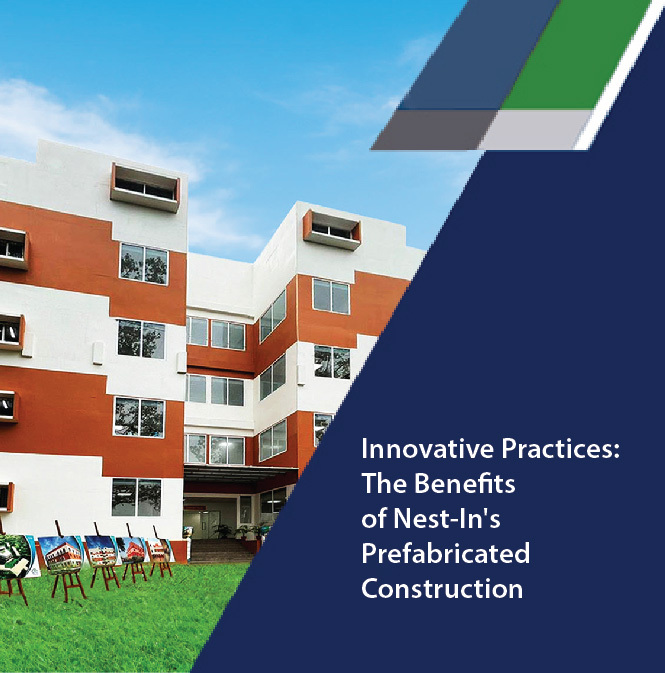
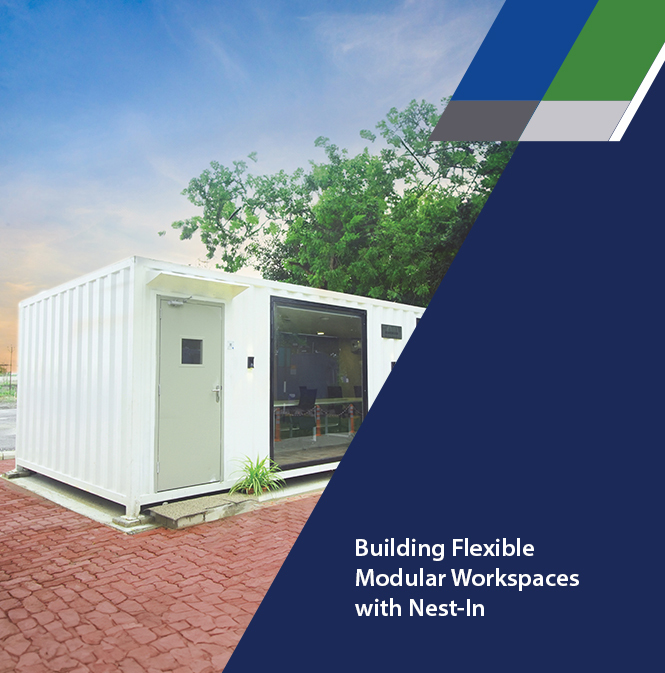
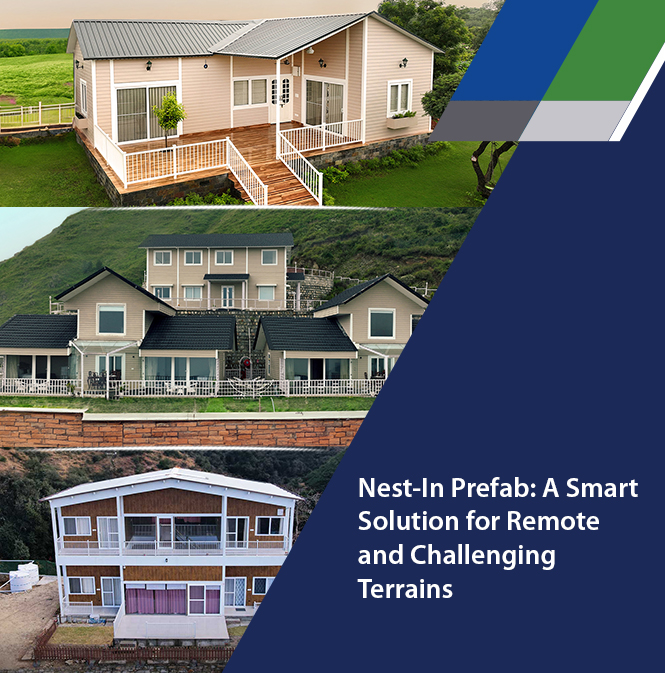
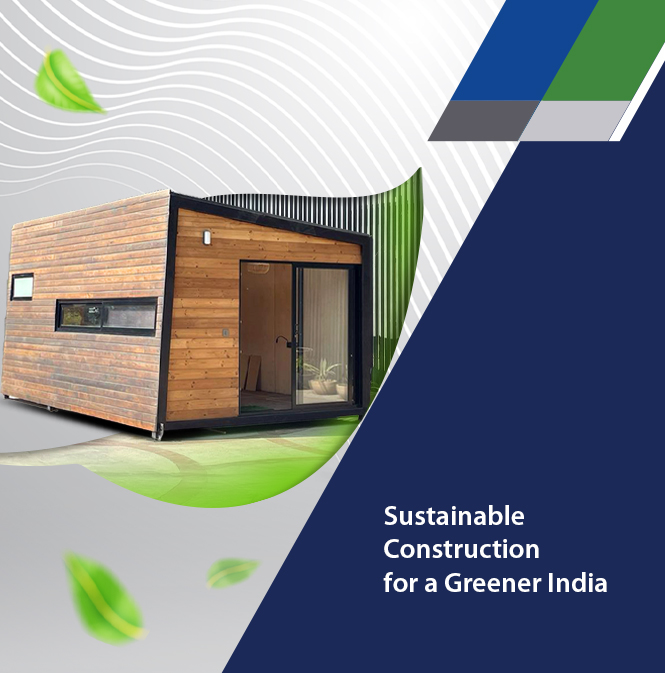
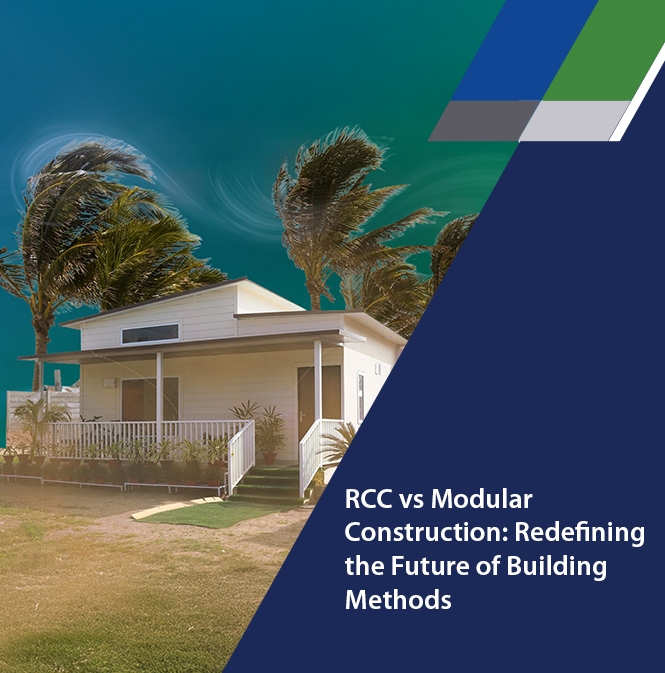
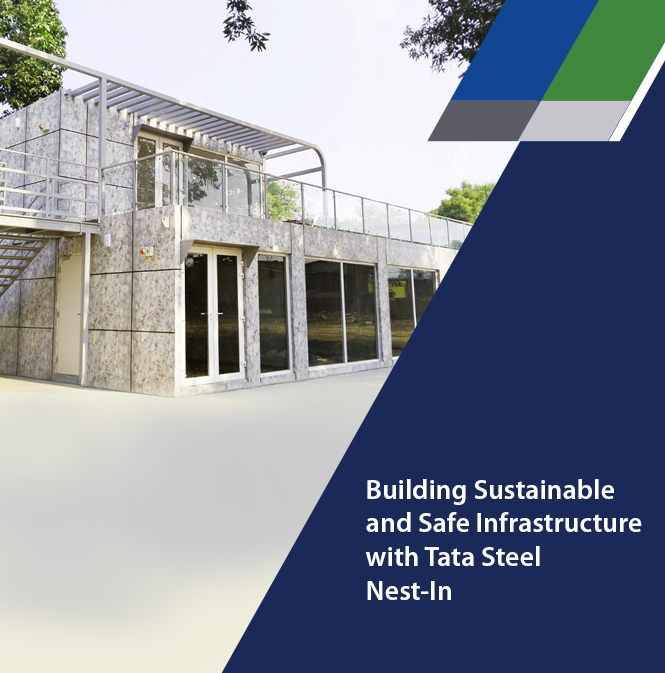
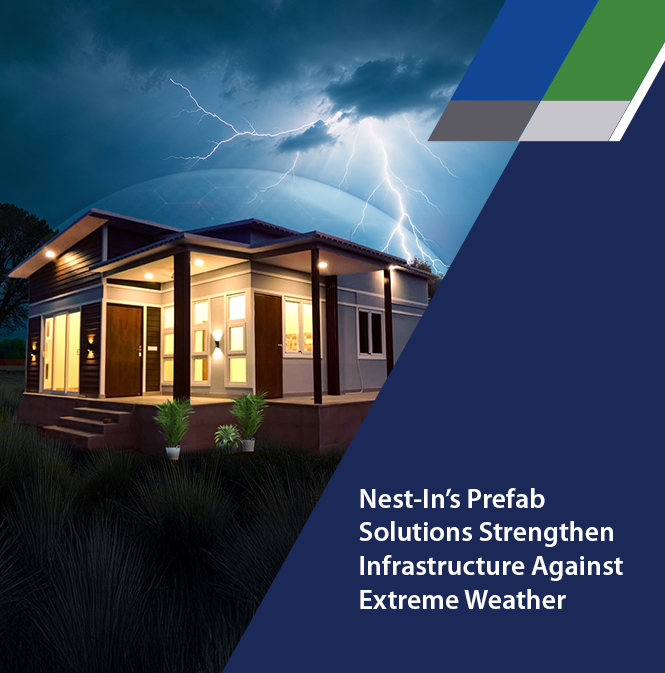
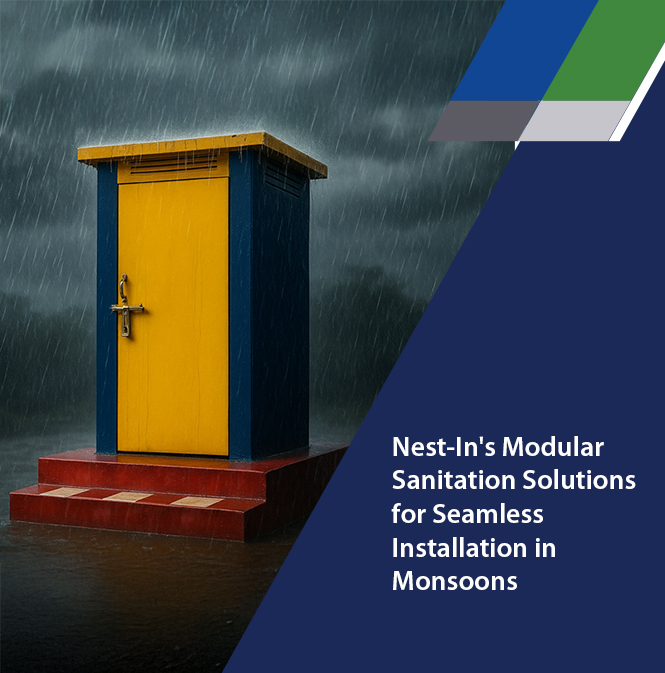
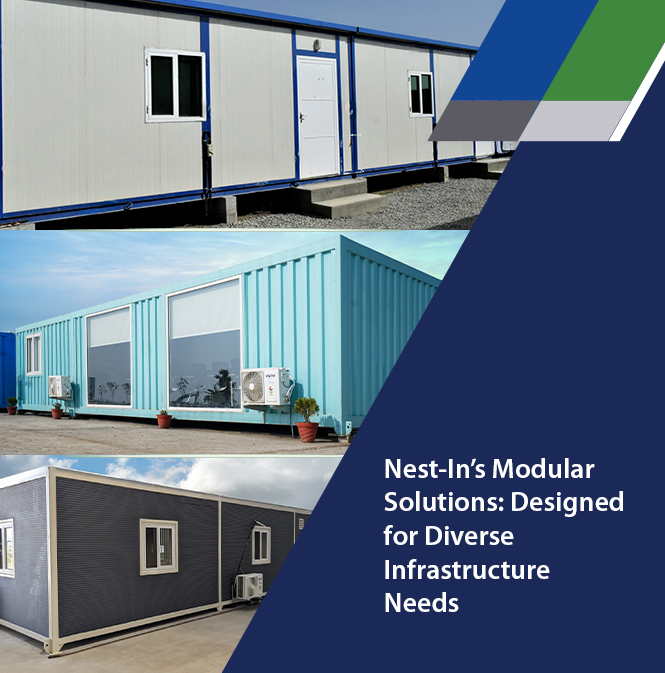
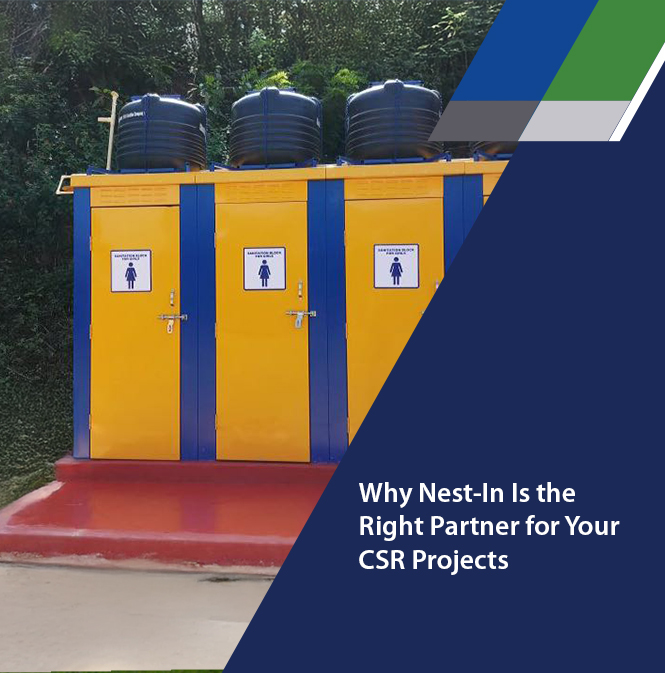
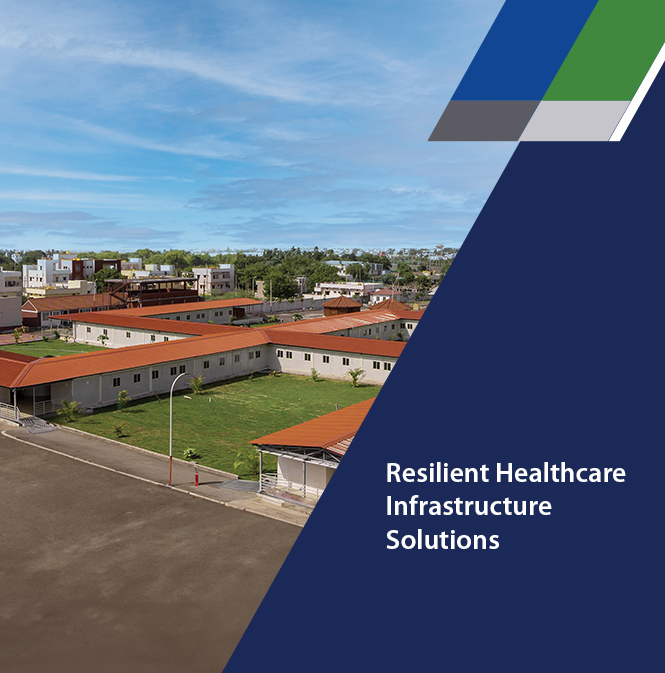
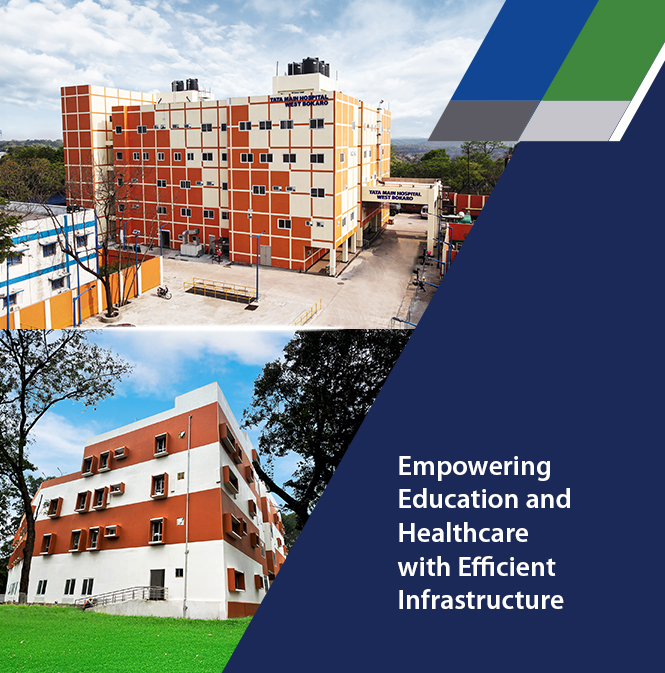
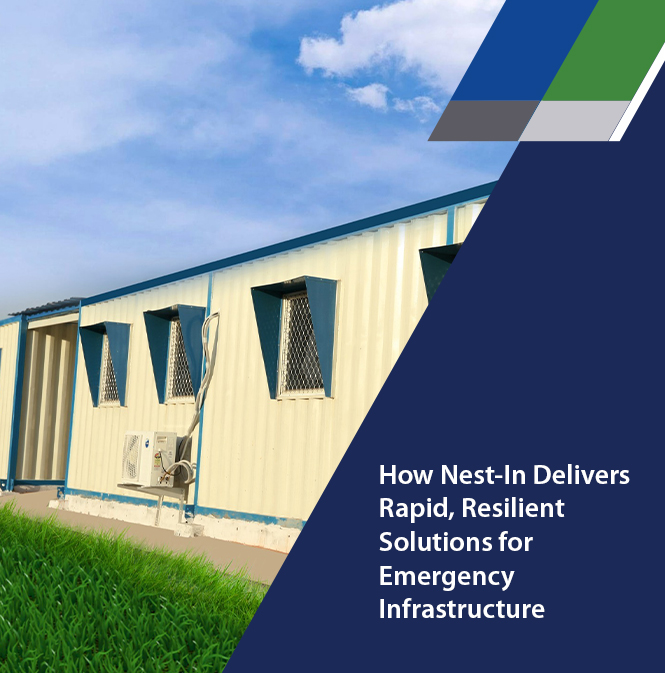
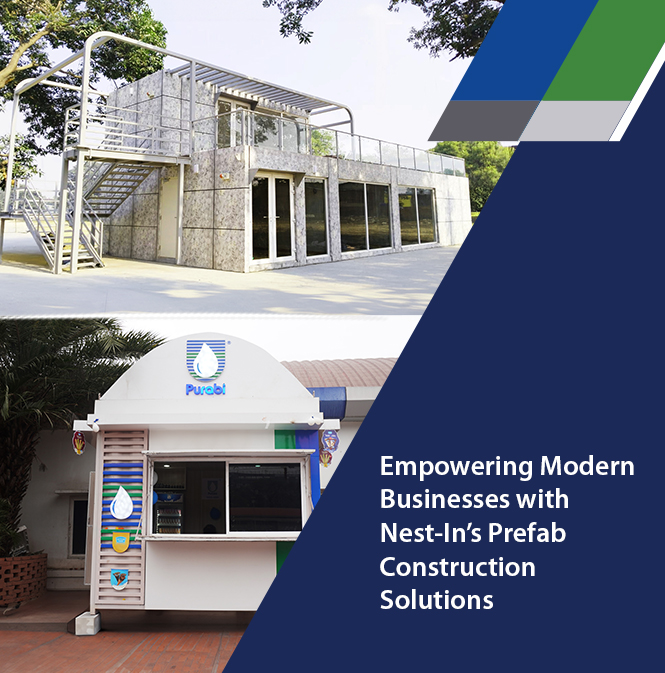
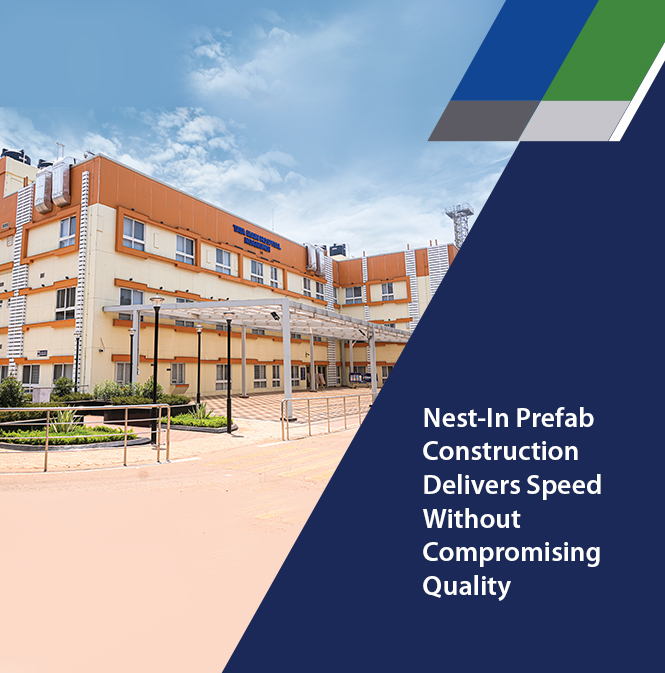
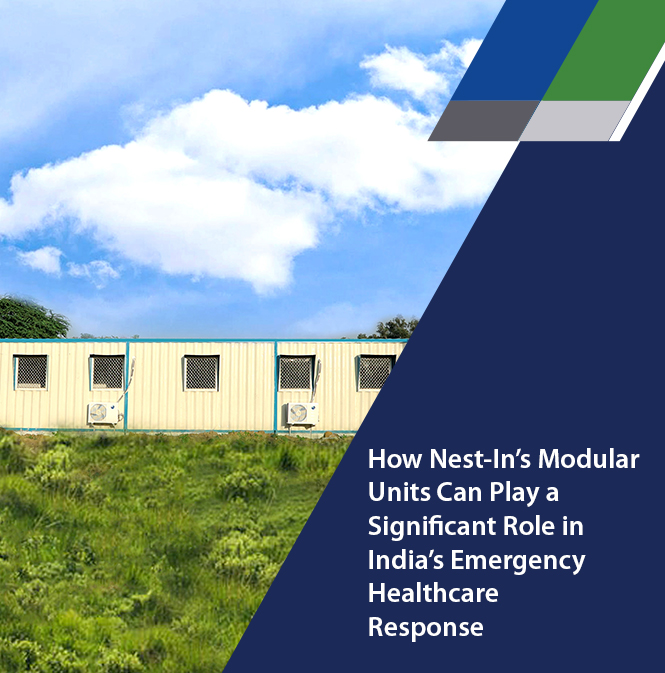
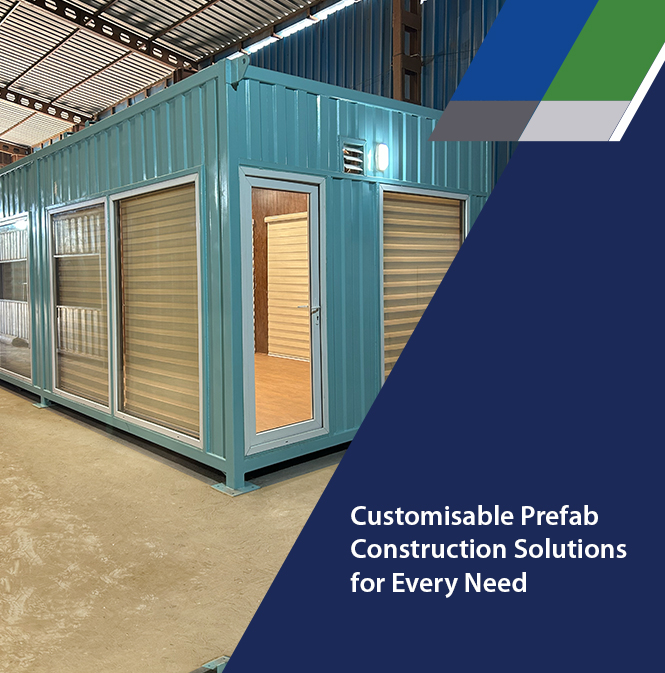
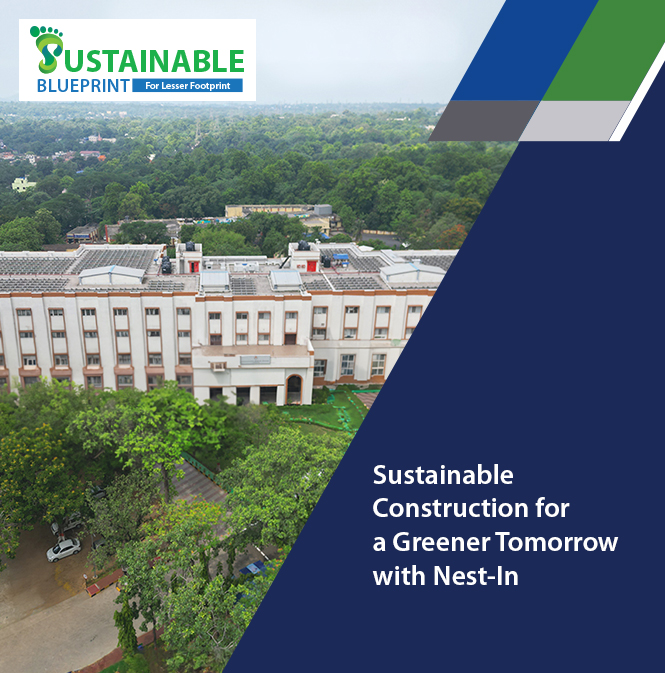
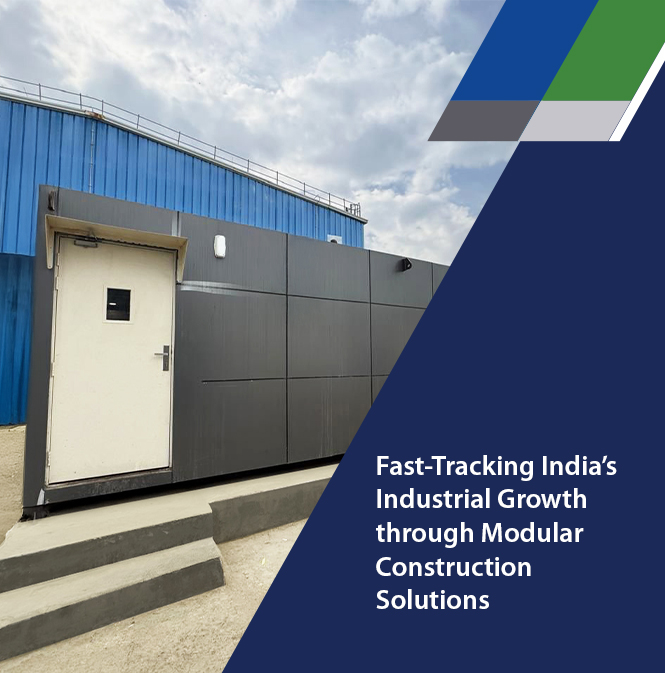
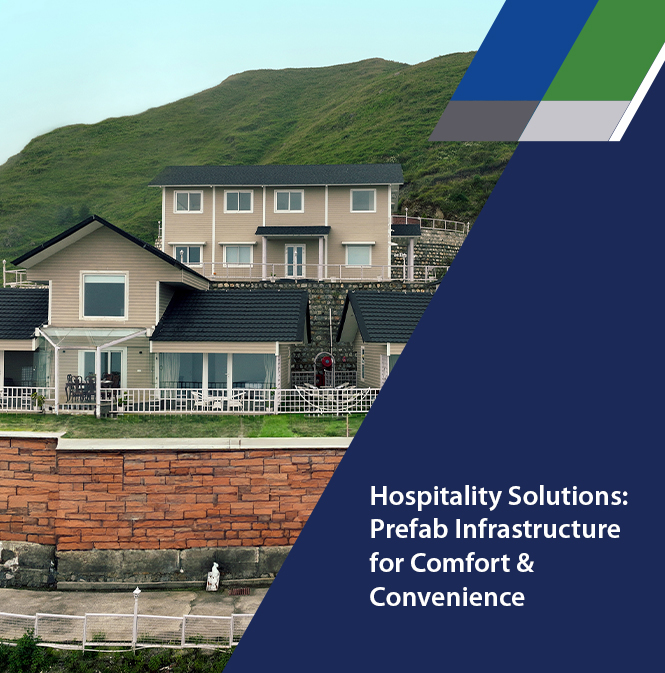
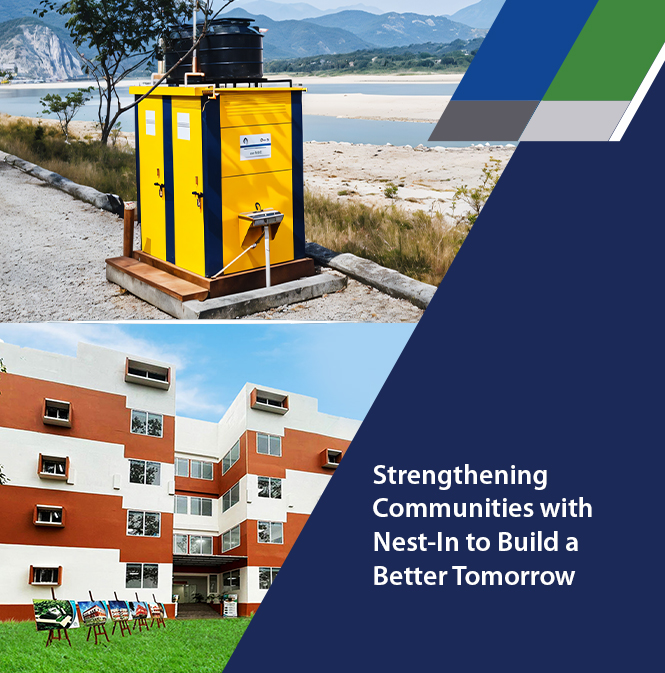
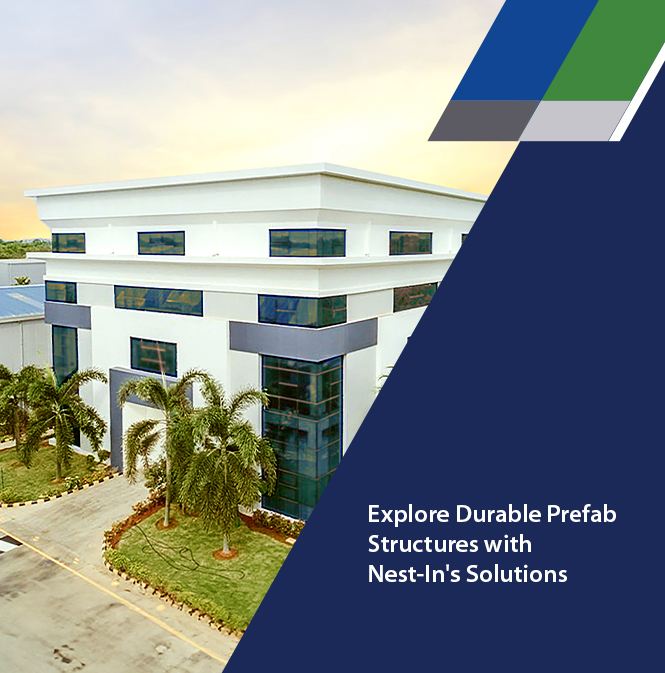
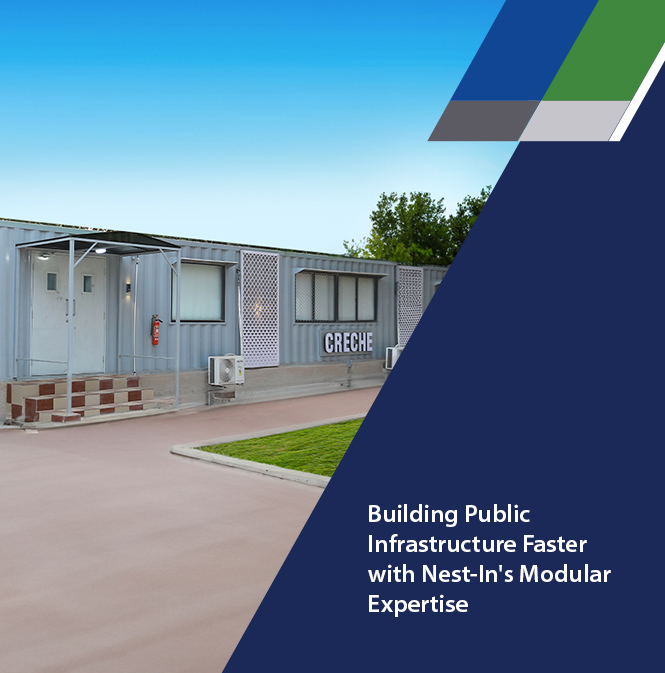
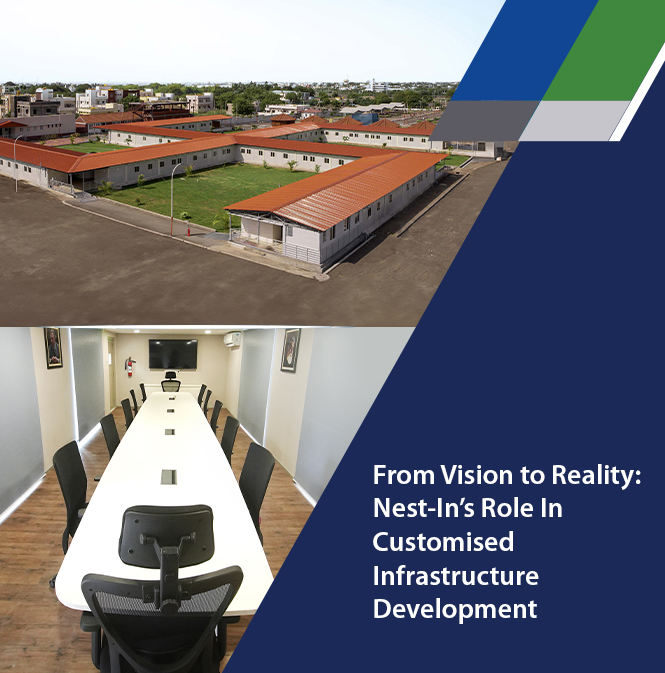
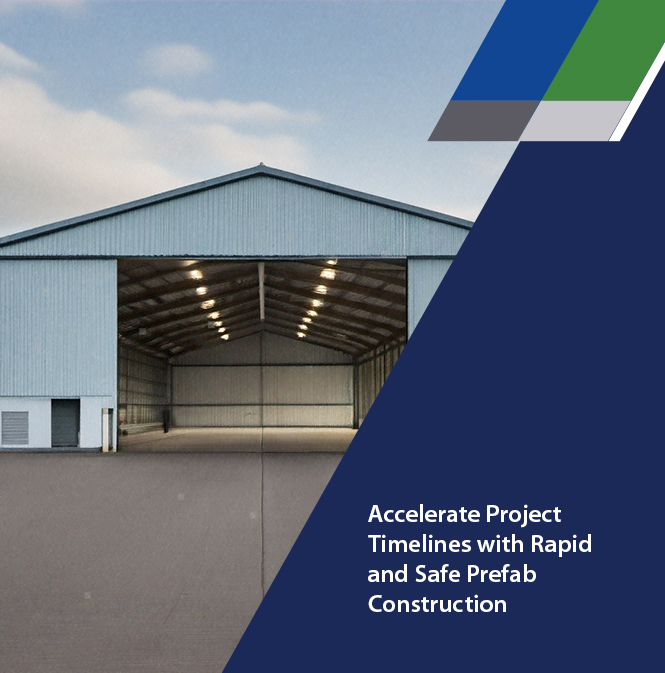
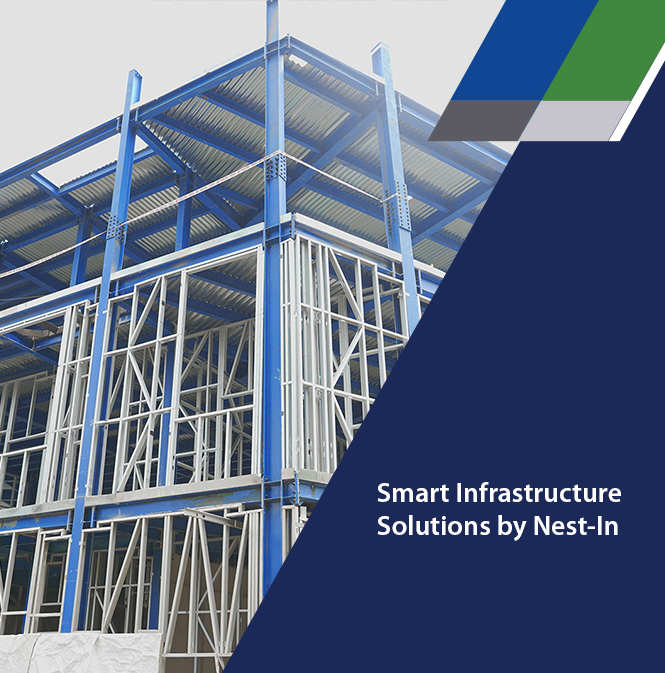
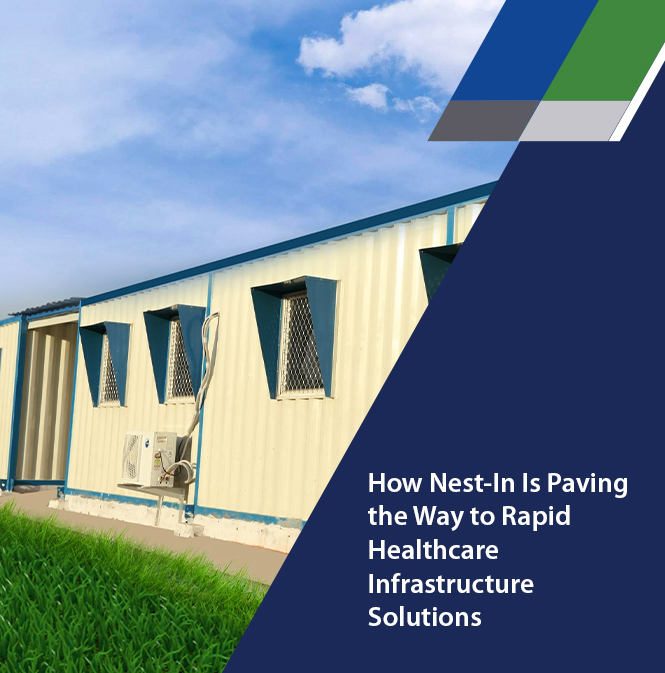
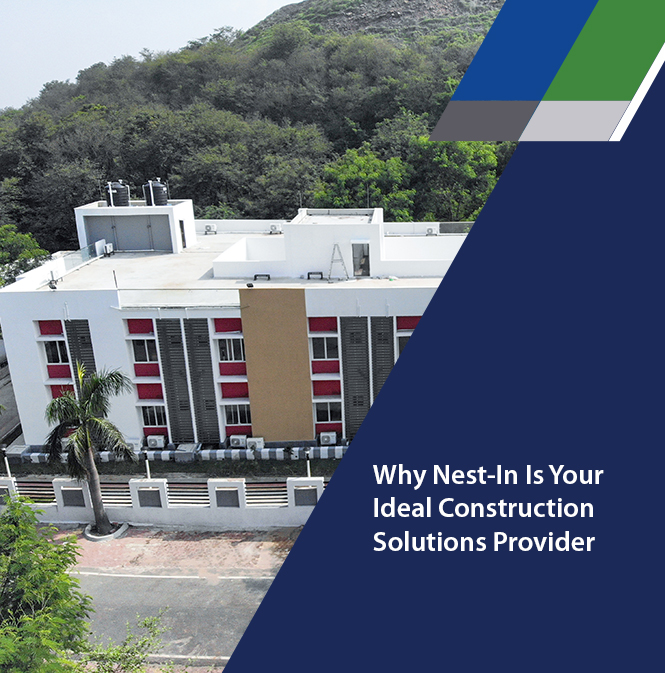
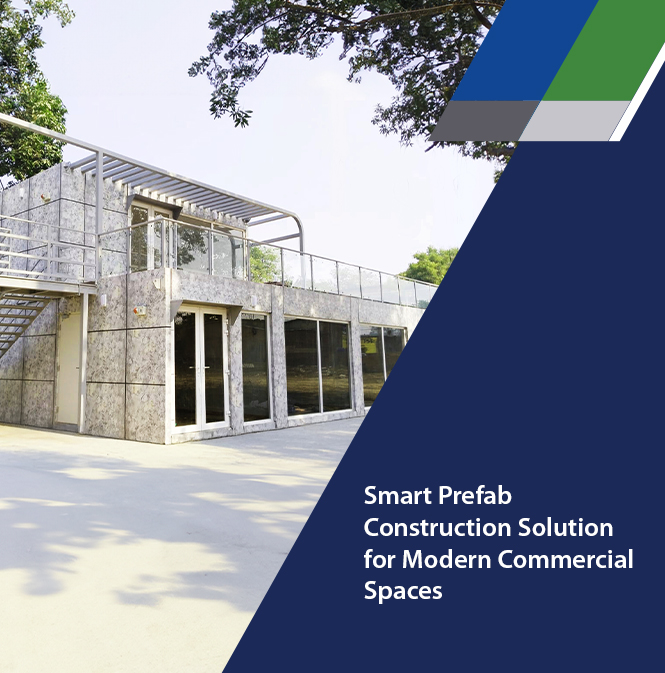
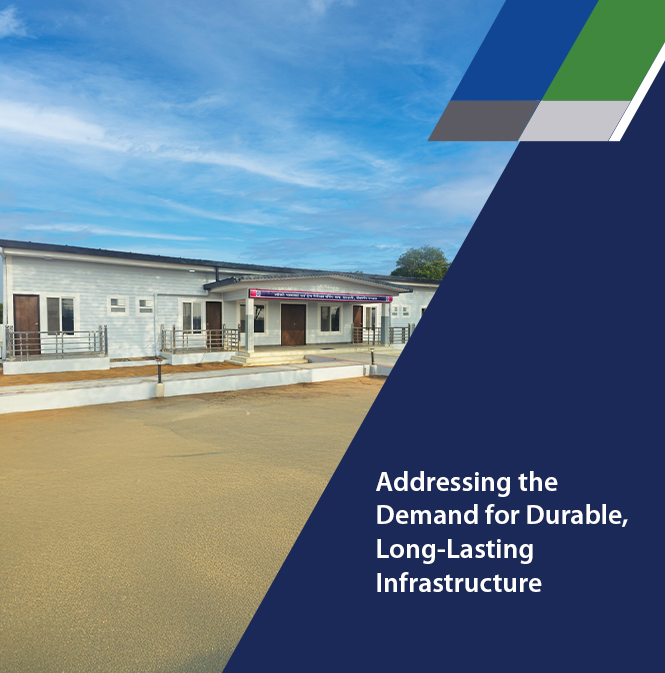
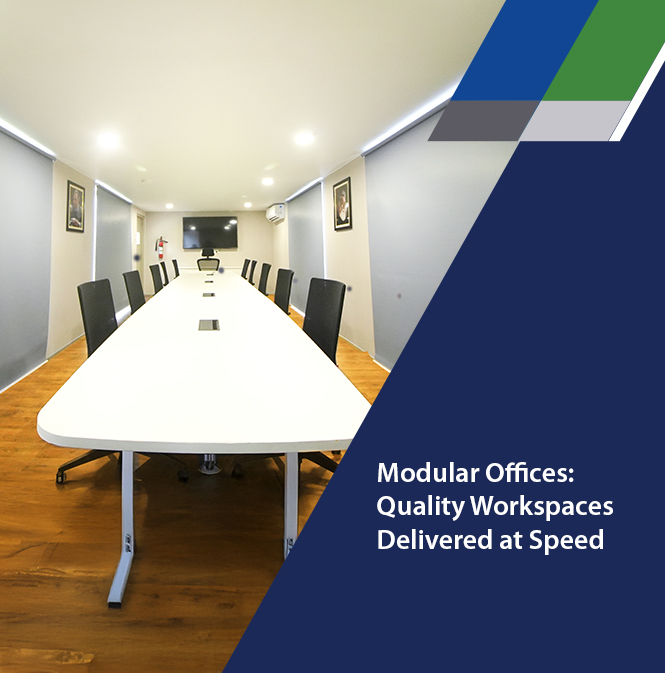
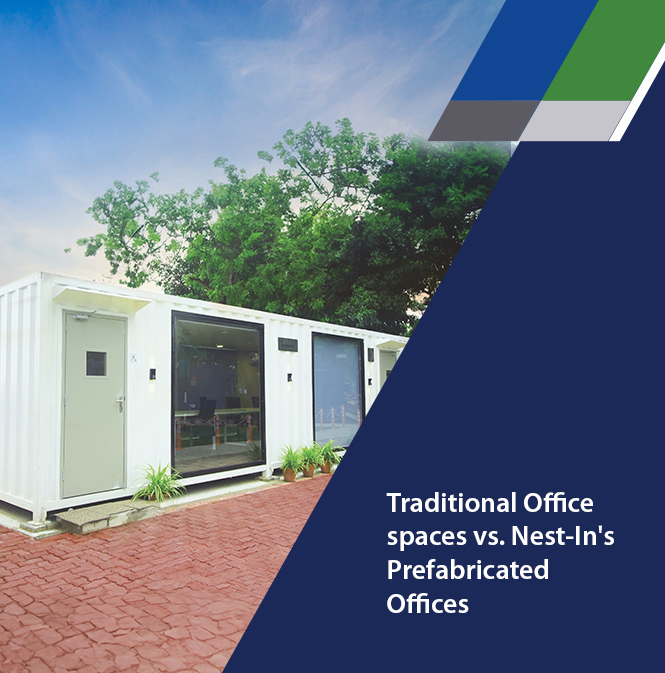
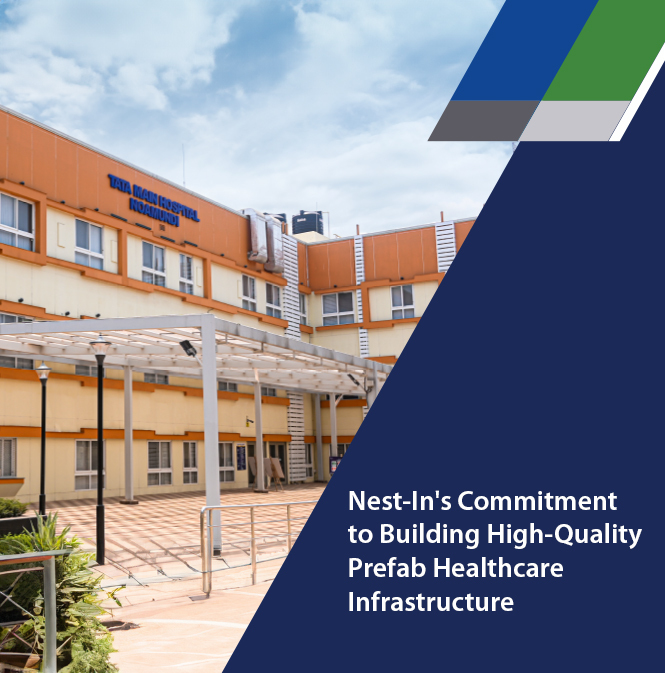
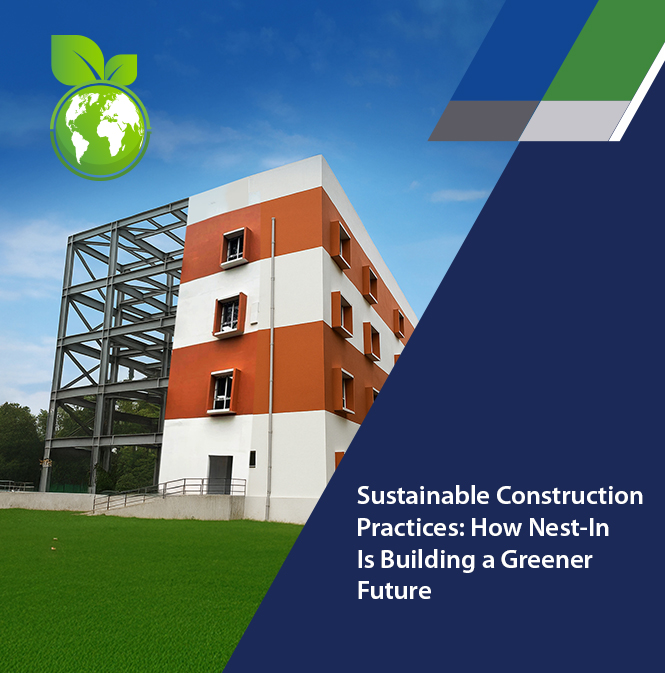
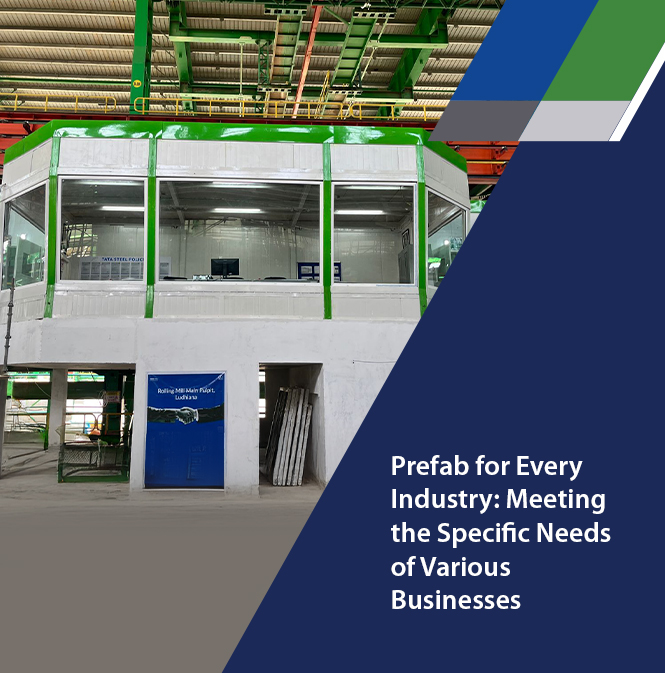
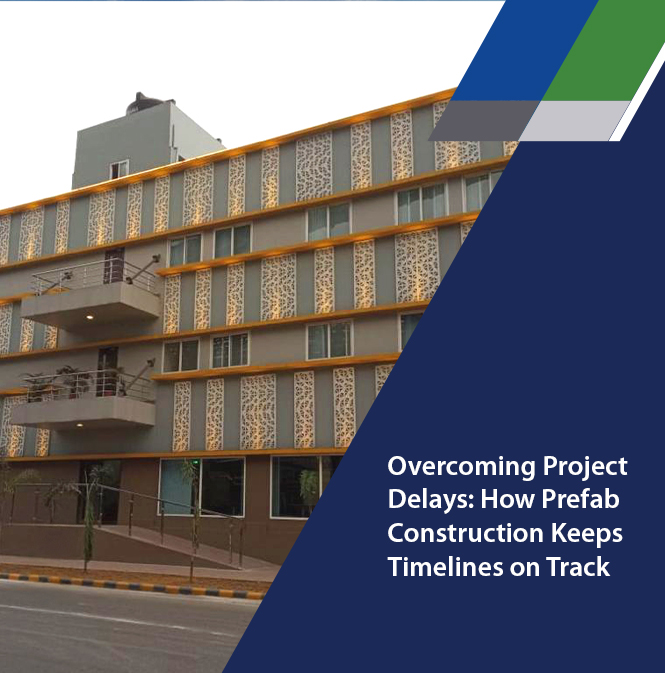
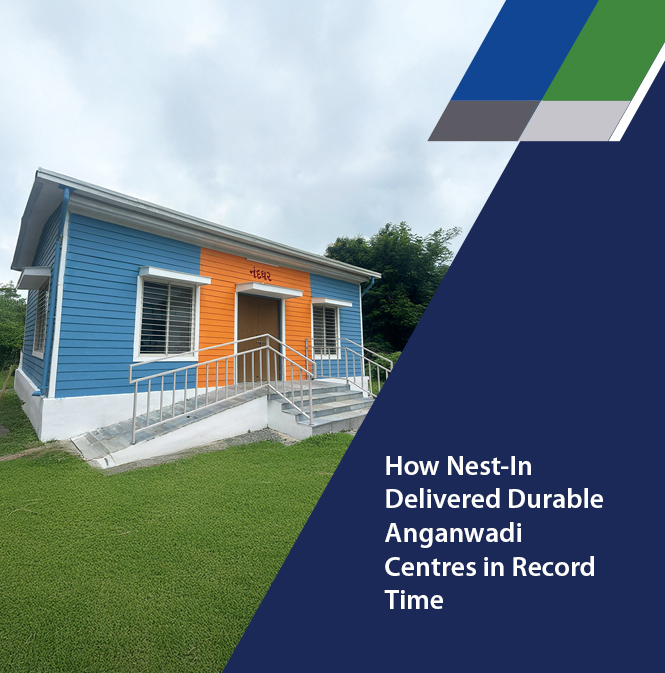
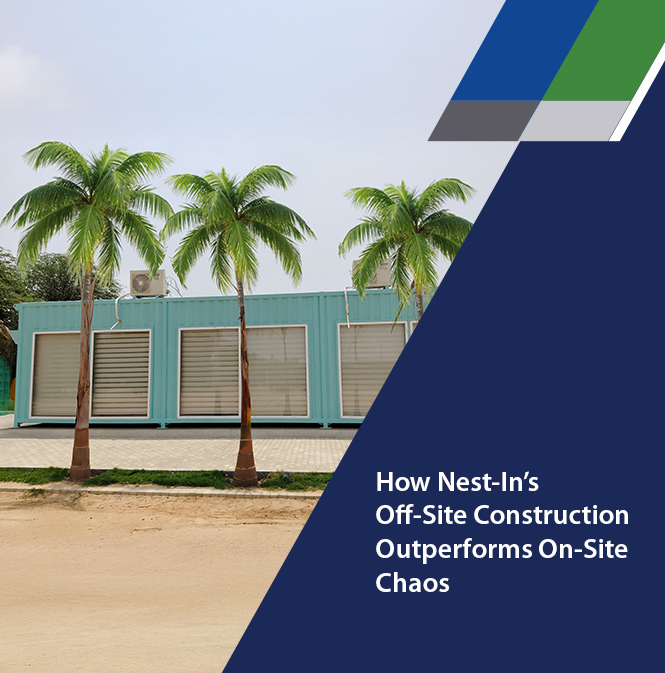
However, Tata Steel launched Nest-In, a prefabrication solution across India. As India surges forward to a smarter time and age, there is a need for newer, innovative, and faster construction solutions that will fuel this momentum. And making its presence felt in the nation's growth is Tata Steel Nest-In through its range of steel-based modular construction solutions. Nest-In strives to provide complete turnkey solutions with a unique customer experience at its core. Offering a wide range of prefabricated solutions for industrial infrastructure, housing, sanitation, safe drinking water, portable cabins, and lifestyle solutions, Nest-In today serves over 26 states in India and helps create a better life for millions of Indians.




Contact Us
Recent Post
Adding a Floor to an Existing House: Why Vertical Extension Favours Light Gauge Steel
Disaster Response Infrastructure: Building for the Window Between Relief and Rehabilitation
Building Schools in the Districts Conventional Construction Cannot Reach
Defence Hangars: Why Large-Span Structures Decide How Fast a Base Becomes Operational
What a Prefabricated House Costs in India: A Buyer's Guide to the Cost Structure


























































Add comment