

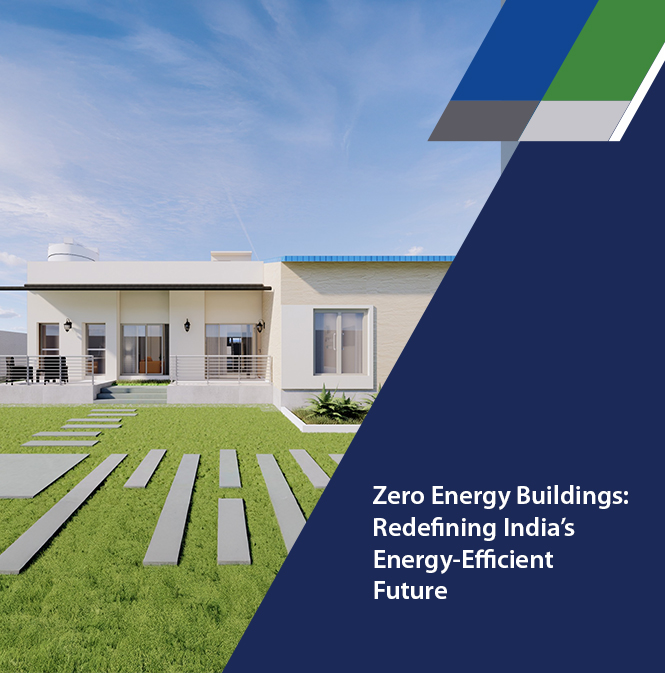
Zero Energy Building: Redefining India’s Energy-Efficient Future
With rising energy demand and rapid urban development, India needs construction solutions that minimise resource dependency and support climate-responsible growth.
This is where the idea of a zero-energy building becomes increasingly relevant. A zero-energy building is a self-sustaining structure that consumes minimal energy while generating its own through renewable sources, making it a valuable solution for organisations and households seeking lower environmental impact and future-ready efficiency.
Understanding What a Zero Energy Building Means
The Zero Energy Building (ZEB) concept is based on creating a structure that uses very little energy while generating its own through renewable sources. A net zero energy building balances its annual operational energy by combining passive design, efficient systems and clean energy production.
This approach reduces both operational emissions and long-term environmental footprint. In the context of the country’s sustainability goals, net zero energy buildings support energy security and responsible development while promoting healthier living environments.
Key Principles That Enable Zero Energy Performance
Zero energy performance is achieved through a combination of architectural planning, efficient systems and renewable technology. Passive design plays a central role. Building orientation helps optimise natural daylight and reduce artificial lighting demand. Shading strategies protect the structure from excessive heat while controlled daylight improves comfort. Natural ventilation, zoning and thermal insulation support consistent indoor temperature and improve the performance of the structure.
High efficiency systems, including optimised HVAC and advanced lighting technologies, ensure that the building uses less energy during daily operation. When integrated with renewable energy sources, such as rooftop solar, the building can generate power that offsets its annual consumption. These elements reflect the principles of passive house design, which focuses on thermal comfort, high insulation value, and low energy demand through thoughtful architectural design.
Introducing the Nest-In Zero Energy Building
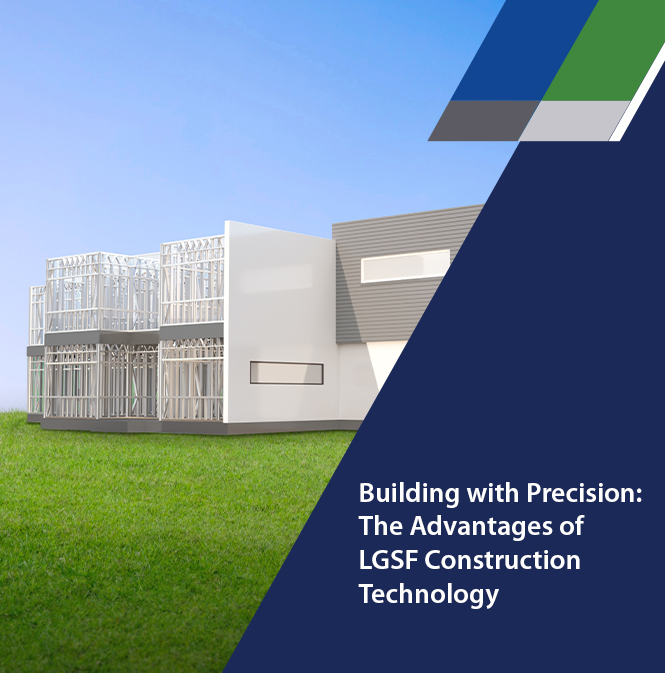
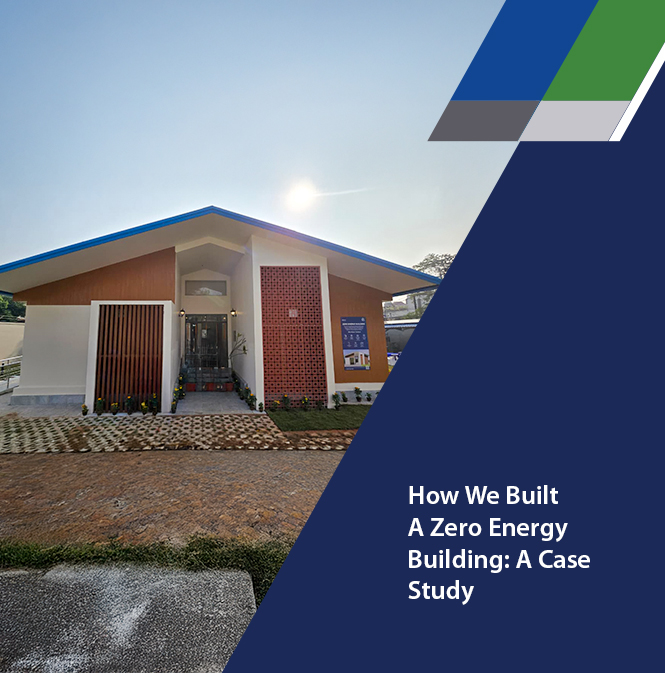
Nest-In from the house of Tata Steel brings the Zero Energy Building concept to life through a steel-based construction approach that blends sustainability with design flexibility. Built using Light Gauge Steel Framing (LGSF) construction technology, the home achieves exceptional strength and long-term reliability. The modular components, multifunctional spaces and non-permanent partitions allow the layout to be reconfigured easily as household needs evolve.
Systems and Materials for Sustainable Performance
Every element in this Zero Energy Building is chosen to enhance efficiency, durability and environmental responsibility. Light Gauge Steel Frame (LGSF) forms a strong, recyclable superstructure supported by galvanized deck sheets, fibre cement boards and high-quality insulation that together create a low-carbon profile. Solar panels, Building-integrated photovoltaics (BIPV), high-performance low-e glass and colour-coated roof sheeting minimise heat gain and generate clean energy.
Smart energy-saving appliances further optimise consumption, contributing to a home designed for long-term comfort and sustainable performance.
Whole Life Carbon Assessment for Deeper Insight
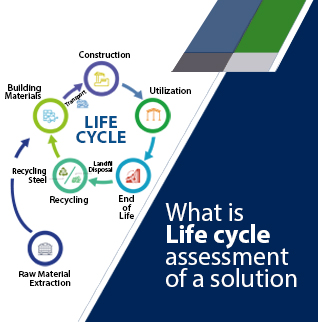
A comprehensive Whole Life Carbon Assessment has been done to evaluate building technology across construction, operation and end-of-life phases. Most embodied carbon comes from the superstructure and finishes. Operational carbon is drastically reduced through passive design, efficient systems, and solar energy generation.
At the end of its lifespan, the structure supports circularity through recyclability and reuse strategies. Together, these features position the project as a strong example of sustainable development aligned with India’s environmental goals.
Why Zero Energy Buildings Matter for the Future
As India undergoes rapid urban growth, responsible construction will be key to environmental preservation. Zero-energy buildings lessen the load on the power grid, reduce operational energy use and create healthier living environments. These structures promote long-term sustainability through cleaner construction practices, adaptable layouts, and reduced waste. These features strongly align with Nest-In’s vision of building structures that are efficient, flexible and environmentally conscious.
As India continues to explore new-age construction methods, zero energy buildings will play an increasingly important role in shaping future-ready spaces. With growing interest in resilient, low-impact homes, ZEBs offer a strong foundation for sustainable communities that prioritise energy efficiency and long-term ecological balance.
Conclusion
Zero energy buildings showcase how thoughtful design, efficient systems and renewable energy systems can create homes that perform responsibly throughout their lifespan. With a focus on low energy demand, adaptability and overall sustainability, ZEBs are set to support India’s transition to a cleaner and more resilient future.
If you want to explore energy-efficient construction solutions for modern living, connect with us at 1800 208 8200 or visit www.nestin.co.in to learn more.
Posted in Nest-In on Dec 01, 2025.




Contact Us
Recent Post
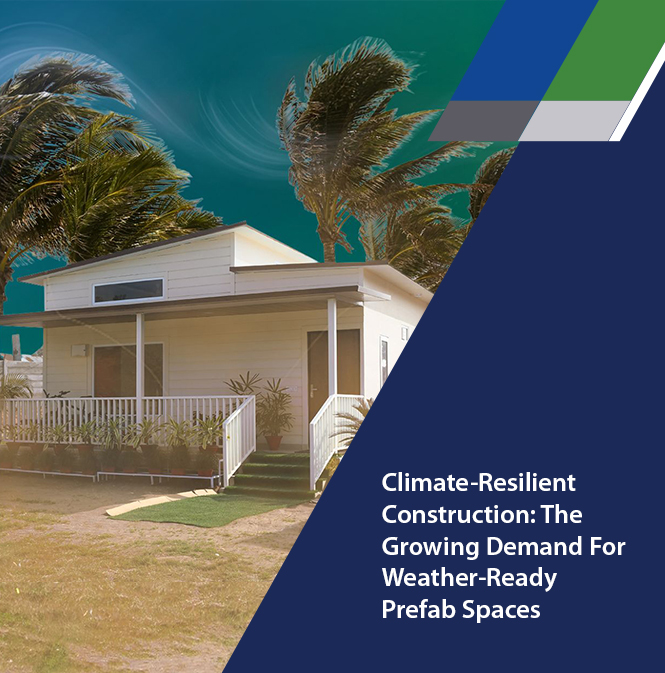
Climate-Resilient Construction: The Growing Demand For Weather-Ready Prefab Spaces
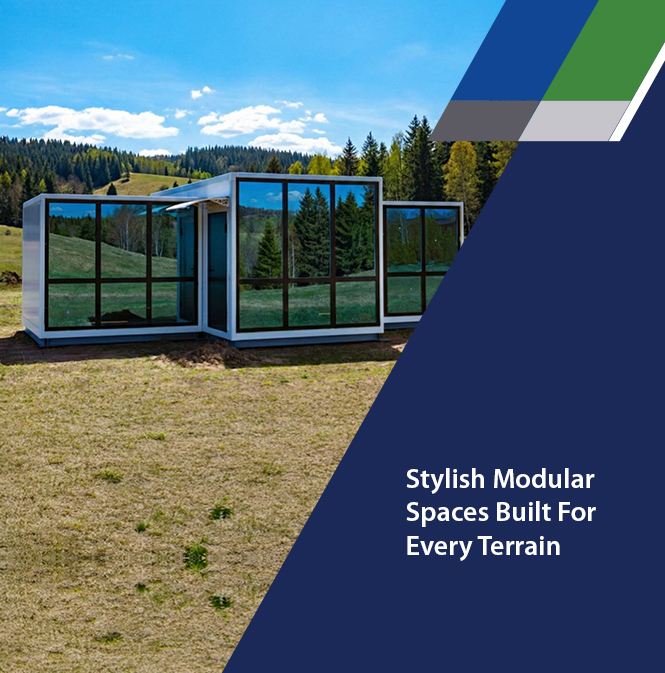
Stylish Modular Spaces Built for Every Terrain
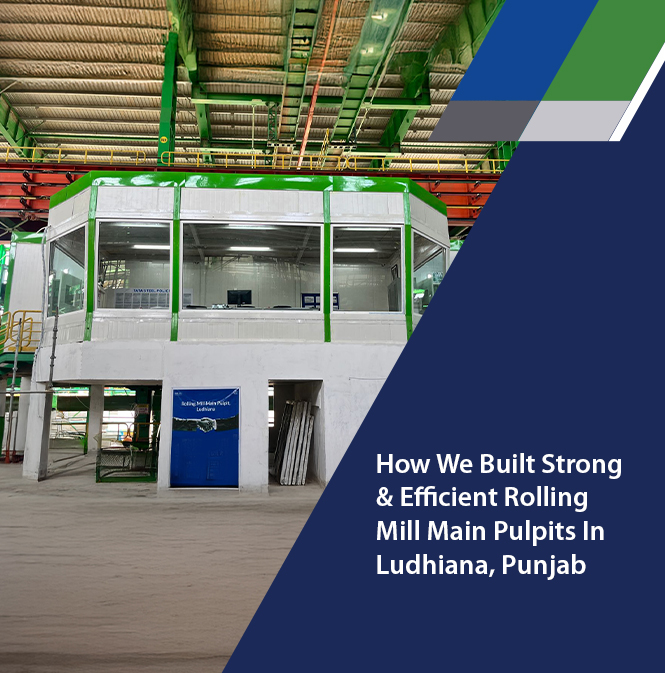
How We Built Strong & Efficient Rolling Mill Main Pulpits In Ludhiana, Punjab
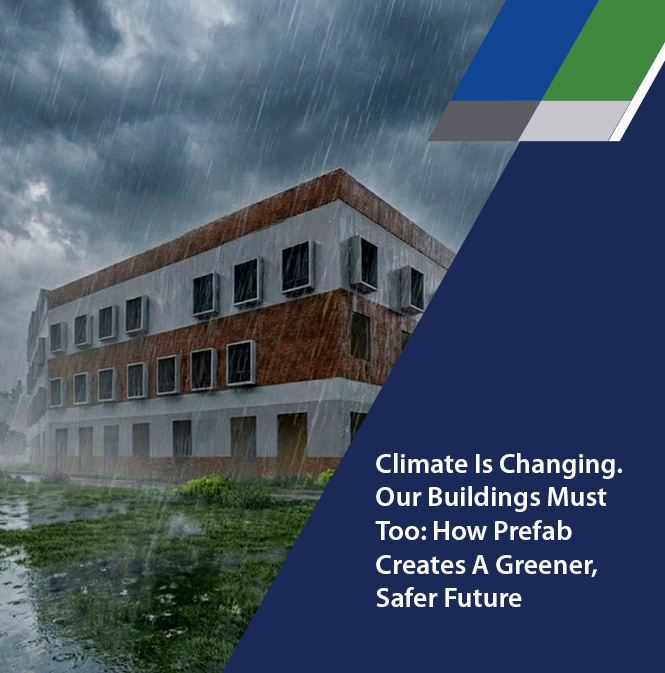
Climate Is Changing. Our Buildings Must Too: How Prefab Creates A Greener, Safer Future
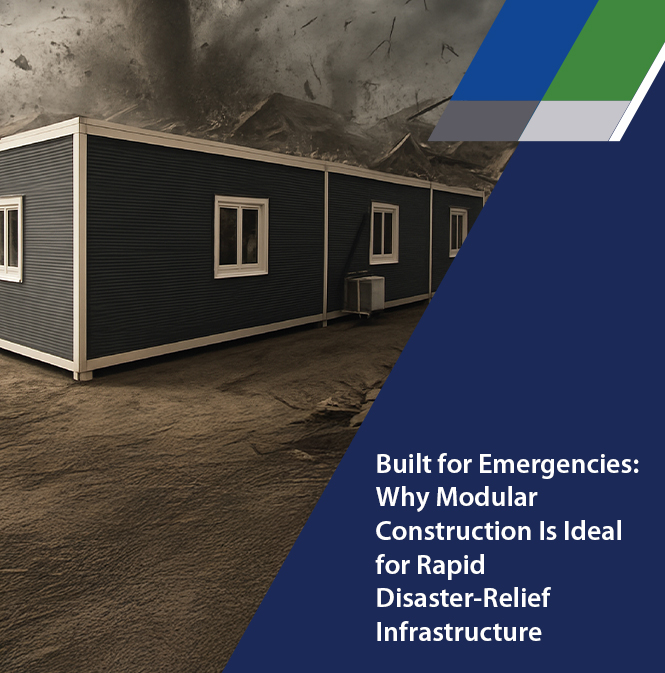
Built for Emergencies: Why Modular Construction Is Ideal for Rapid Disaster-Relief Infrastructure
Category
- Nest-In 108
- HabiNest 65
- MobiNest 124
- Nestudio 28
- EzyNest 21
- Smart EzyNest 6
- ChargeNest 7
- Covid Offerings 4
- Brand 7















































Add comment