

What the Construction Industry Gets Wrong About Reusability
Every construction project ends. Most people stop thinking about a building at handover. What happens after, when the project closes, the site is vacated, and the structure has served its purpose, is a question the industry rarely forces itself to answer honestly.
The honest answer, for most conventional construction, is not a comfortable one.
What Reusability Actually Means
Reusability in construction is a term that gets applied loosely. In its limited interpretation, it describes the ability to move a portable cabin from one site to another. In its fuller meaning, it describes a material system whose value does not end when the structure does, a system designed for disassembly, relocation and material recovery across multiple lifecycles.
The construction industry has largely been operating on the first definition. The second one is where the real argument lives.
How Conventional Construction Ends
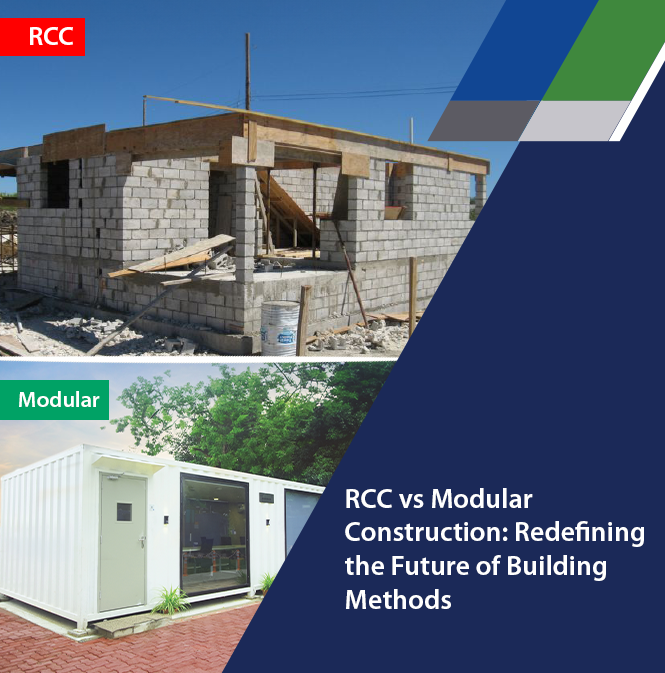
A reinforced concrete building at the end of its useful life is demolished. The result is rubble: broken concrete, embedded reinforcement steel that is difficult to separate cleanly, and mixed materials with limited recovery value. The overwhelming majority go to landfill or low-grade fill applications.
The embodied carbon invested in producing that structure; the cement, aggregate, bricks and steel, is written off permanently. It was spent once and cannot be recovered. From a lifecycle carbon perspective, the building's environmental account closes in deficit.
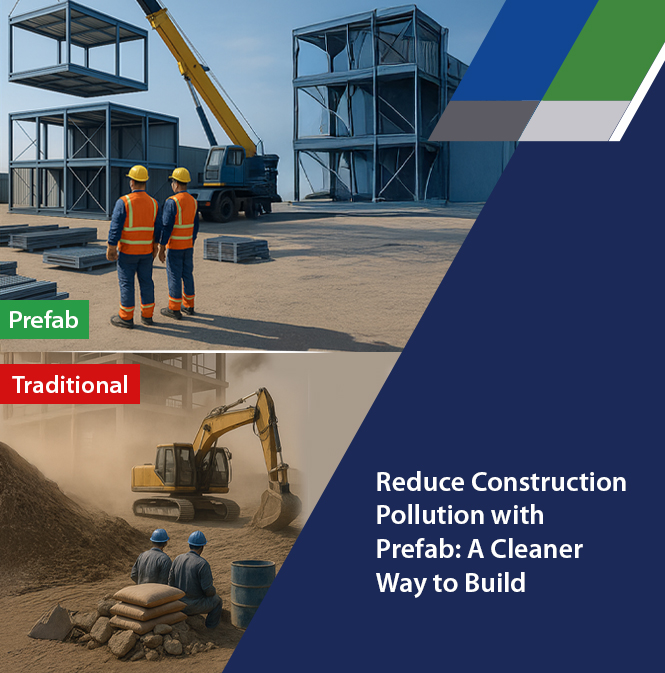
Conventional temporary site structures follow the same logic at a smaller scale. Timber and sheet metal site cabins assembled from whatever is locally available are discarded at project close. There are no recovery value and no second use.
How a Prefabricated Steel Structure Ends Differently
A Tata Steel Nest-In modular unit tells a different story at the end of its service life.
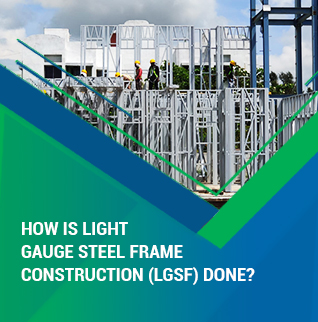
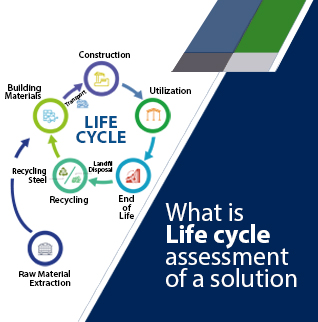
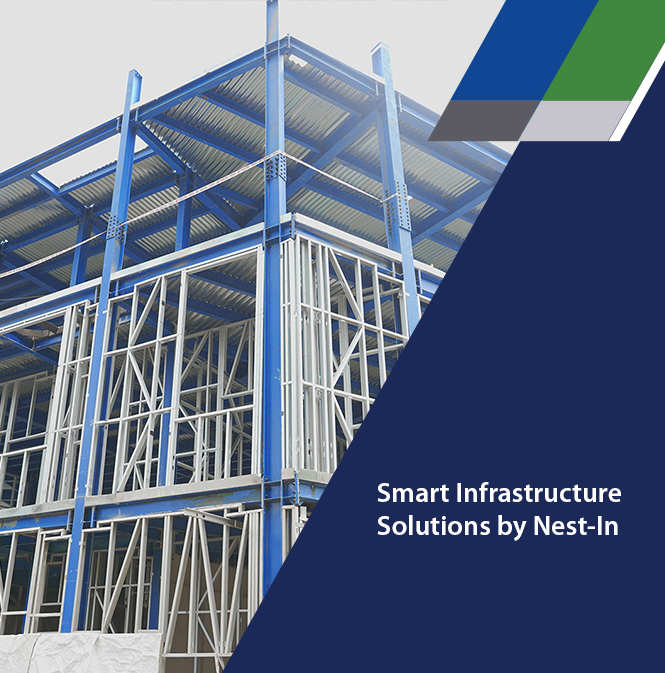
Steel is fully recyclable. At the end of life, structural components from LGSF and MobiNest systems can be disassembled, recovered and returned to the manufacturing supply chain without significant loss of material quality. The steel that went into a modular accommodation unit today can become a structural component in another building years from now. Embodied carbon is not written off. It is amortised across multiple lifecycles.
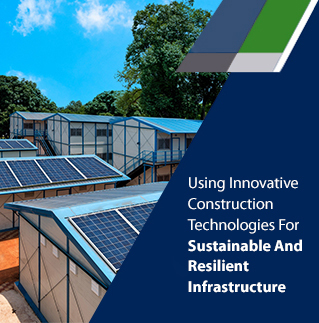
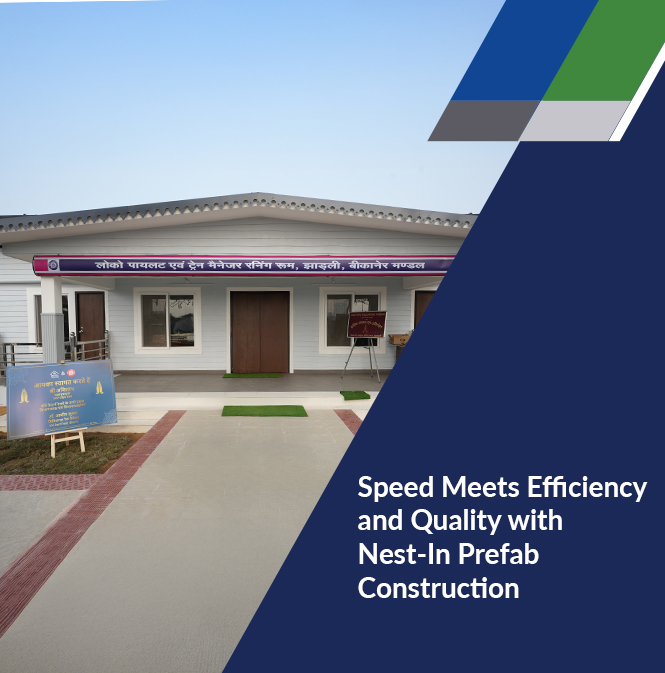
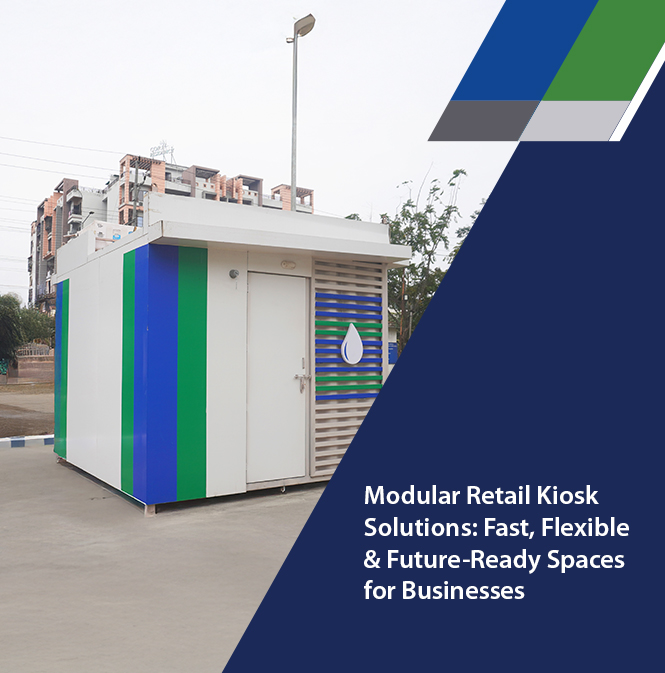
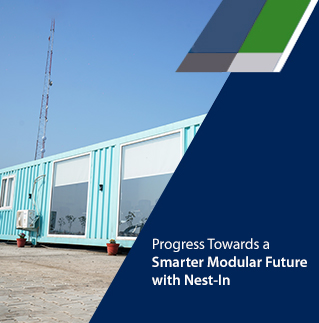
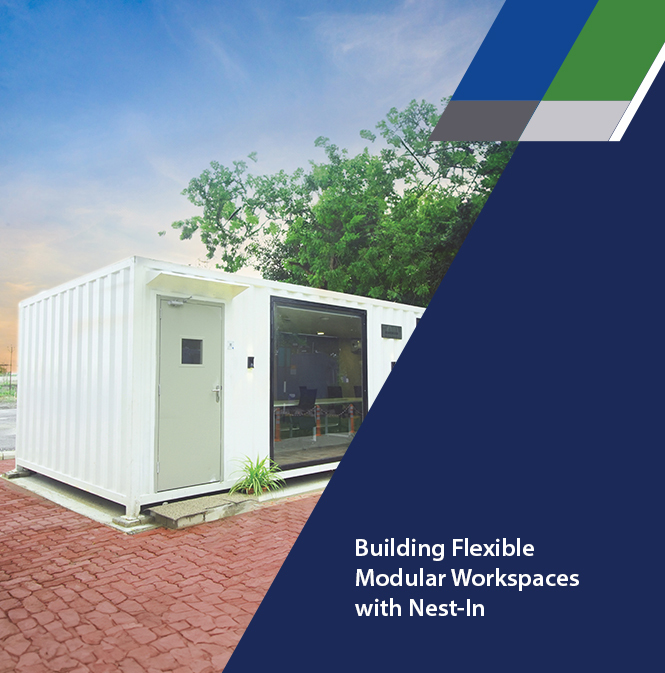
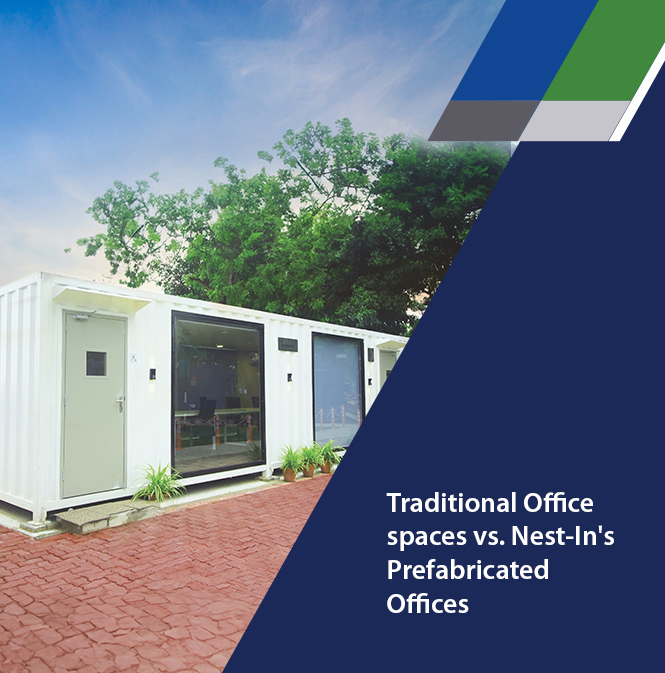
Before that end-of-life point, the redeployment logic applies. MobiNest portable cabins are designed to be demobilised, transported, and recommissioned at the next project location. For contractors managing multiple sequential projects, this changes how site infrastructure is classified in the capital plan. A unit that deploys across four projects over its service life carries a lower per-project cost with each cycle.
The ESG and Green Finance Case
Sustainability reporting frameworks are moving toward full lifecycle assessment. The Indian Green Building Council and GRIHA rating systems already weigh embodied carbon, material efficiency and end-of-life considerations. Green finance criteria from international lenders are moving in the same direction.
For corporates with Scope 3 emissions reporting obligations under SEBI's Business Responsibility and Sustainability Reporting requirements, the end-of-life material story of the infrastructure their projects deploy is becoming part of the disclosure, not a footnote.
A building that can demonstrate documented recyclability and circular material recovery is an asset in this framework. One that ends as rubble is becoming a liability.
The Procurement Decision That Is Hiding in Plain Sight
The construction industry's default on temporary and semi-permanent site infrastructure has been to treat it as a consumable. Build it cheaply, use it for the project duration, and write it off. Accounting is simple and the decision is easy.
What that accounting leaves out is the cumulative material cost of the write-off across hundreds of projects, the carbon cost of repeated replacement, and the compounding gap between the sustainability commitments organisations are making publicly and the procurement decisions they are making on the ground.
Modular construction and prefabricated structures ask for a different kind of thinking. Not cheap and disposable, but durable, redeployable and recoverable. The upfront cost is higher. The per-project cost over a service life of multiple deployments is lower. And the end-of-life material story is fundamentally different from anything conventional temporary construction can offer.
Conclusion
Reusability in prefab construction is not about moving a cabin. It is about choosing a material system whose value does not end when the project does.
The construction industry has been getting this wrong for long enough that it has become the default. Every project currently in planning is implicitly choosing between a site infrastructure asset that recovers and one that disappears into landfill. The ESG frameworks, green finance criteria and lifecycle accounting requirements coming into force across India's corporate sector are making that choice visible in a way it has not been before.
Tata Steel Nest-In's modular systems are built for the decision that accounts for what happens at year twenty-five, not just what appears cheapest on the day the quote comes in.
To explore modular and prefabricated infrastructure solutions for your next project, fill in the enquiry form or call 1800 208 8200.
Posted in Nest-In on Aug 10, 2026.




Contact Us
Recent Post
What a Prefabricated House Costs in India: A Buyer's Guide to the Cost Structure
EV Charging Infrastructure: Why the Structure Around the Charger Decides the Rollout Speed
Modular Homes in India: How the Build Process Works from Plot to Handover
Why Hospitals and Healthcare Facilities Are Being Built Modular
Portable Toilets and Modular Sanitation Units in India: A Complete Buyer’s Guide

































































































































Add comment