

Prefabricated Houses in India: A Complete Buyer’s Guide
For Indian homebuyers, the question is no longer whether they should consider steel-framed homes. It is how to choose the right manufacturer once the decision is made.
What Prefabricated Construction Actually Covers
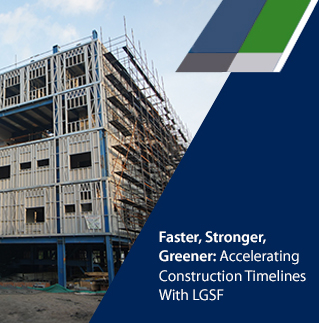
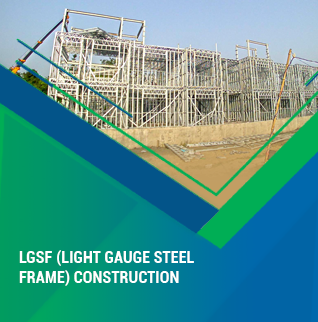
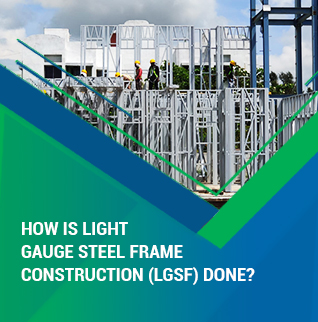
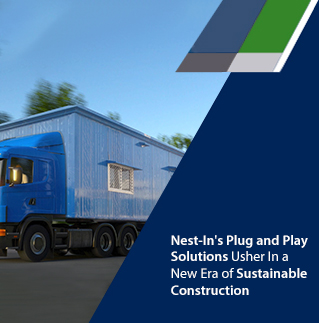
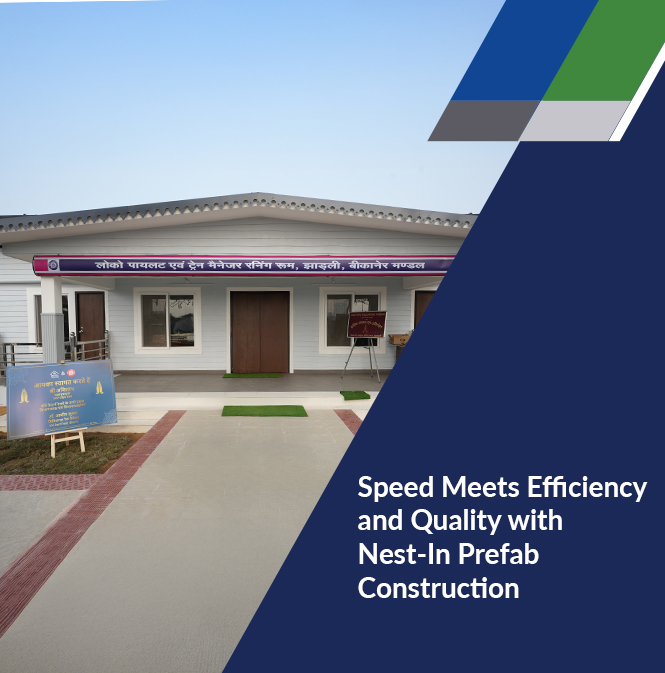
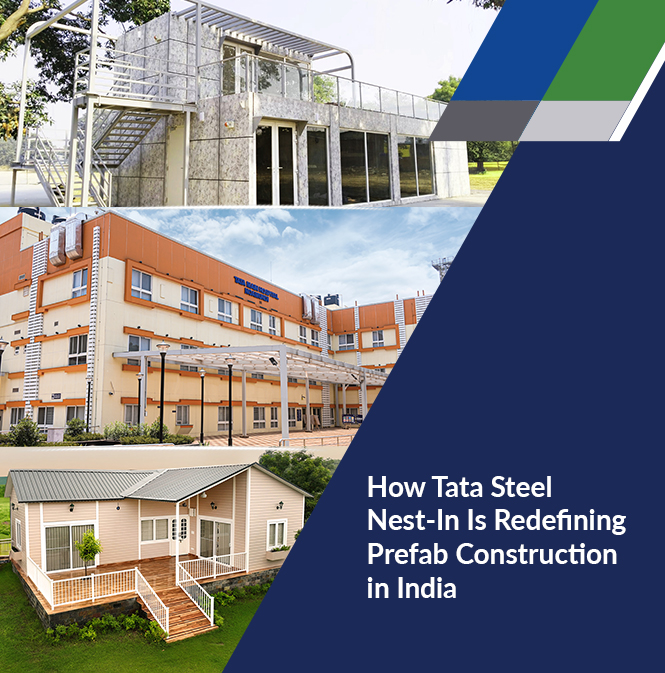
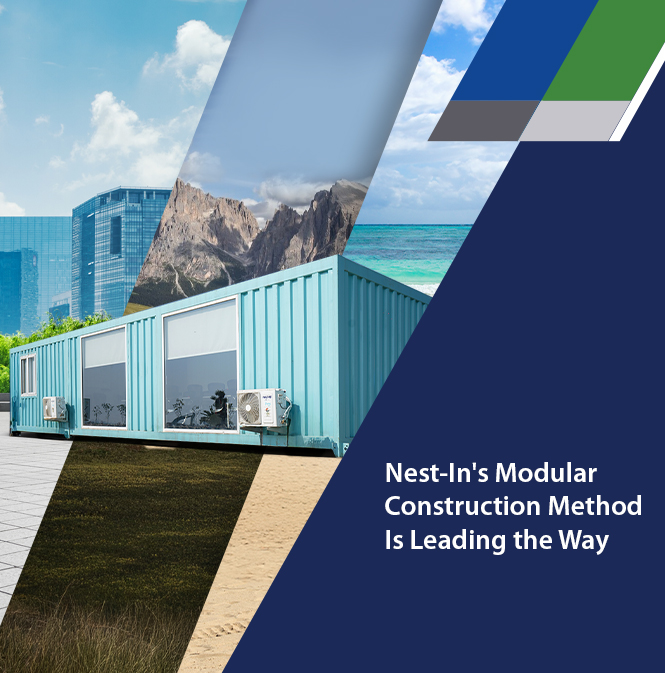
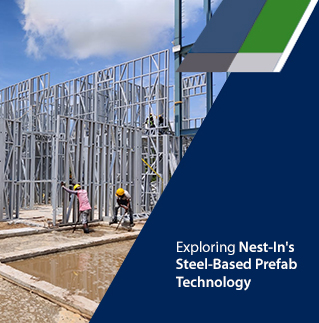
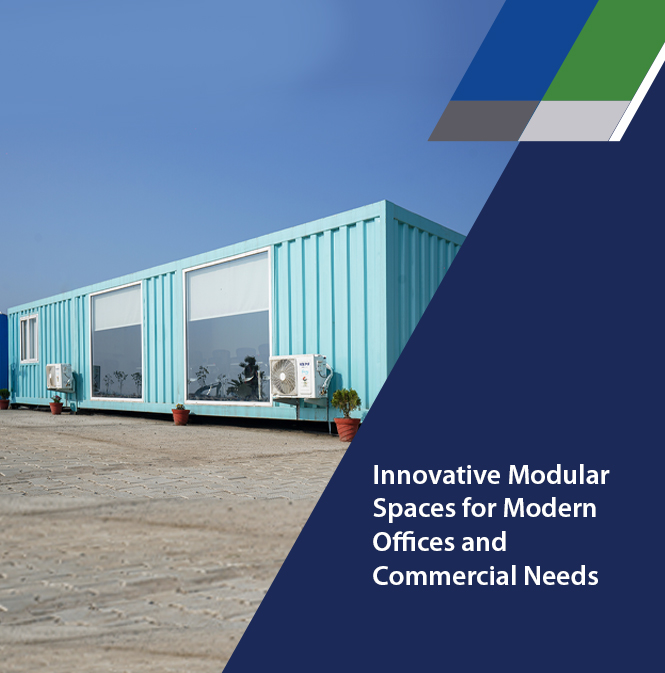
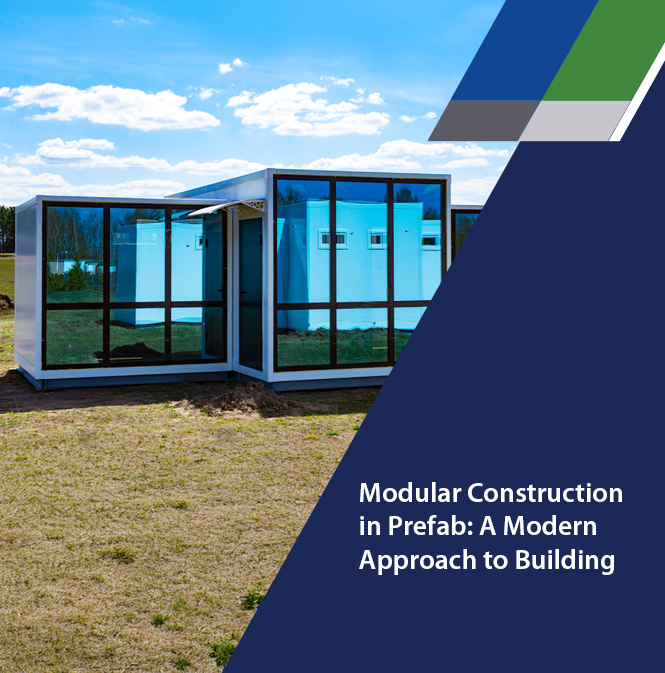
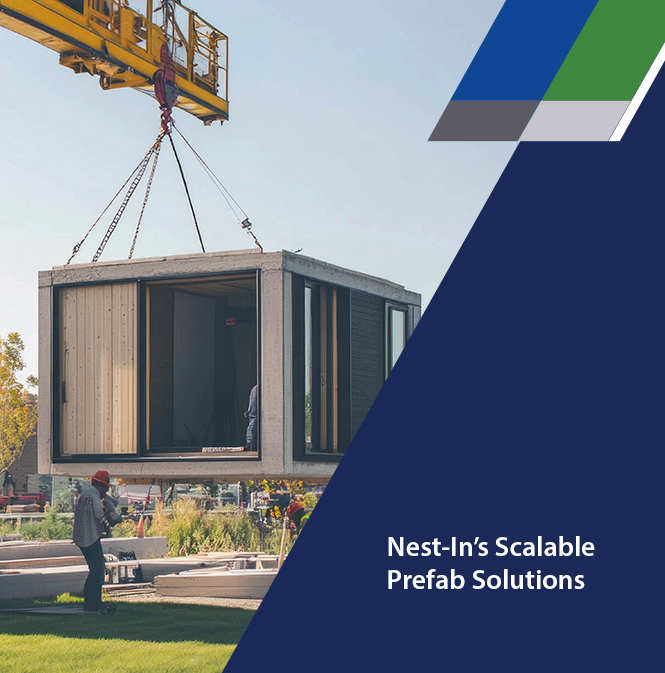
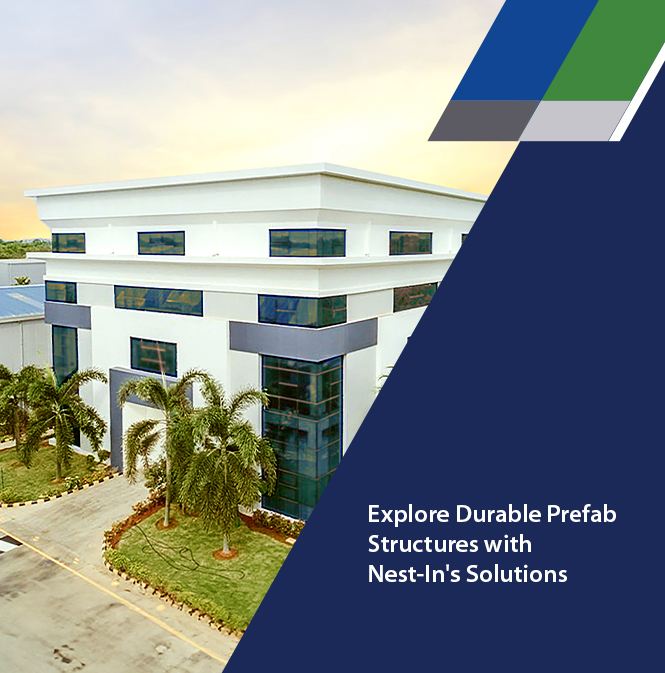
Prefabricated construction is not a single technology. Light Guage Steel Frame(LGSF) construction uses cold-formed steel sections as the structural frame of a home, engineered and partially assembled off-site before installation. Panelised systems manufacture wall, floor and roof sections as finished units ready for on-site assembly. Modular construction extends this further, producing near-complete room volumes at the factory. Pre-Engineered Building (PEB) systems apply the same principle to larger-span structures such as warehouses and institutional halls.
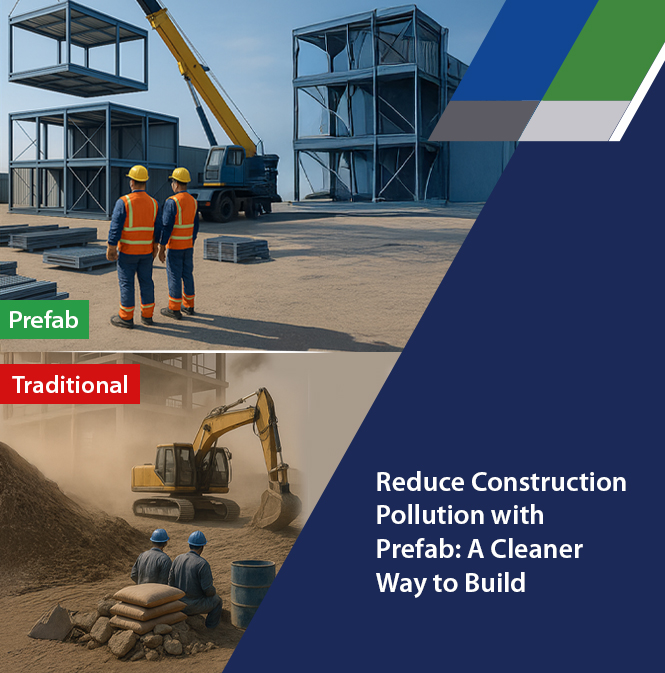
What connects these approaches is where the building happens. Structural work moves into a controlled factory environment, and the site becomes a place for foundation preparation, positioning and finishing rather than sequential wet-trade construction from the ground up.
Why This Matters for Indian Homebuyers
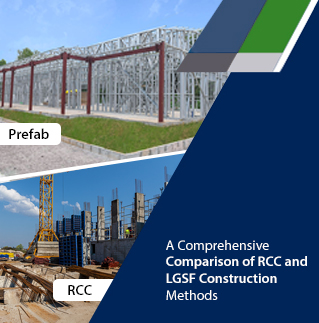
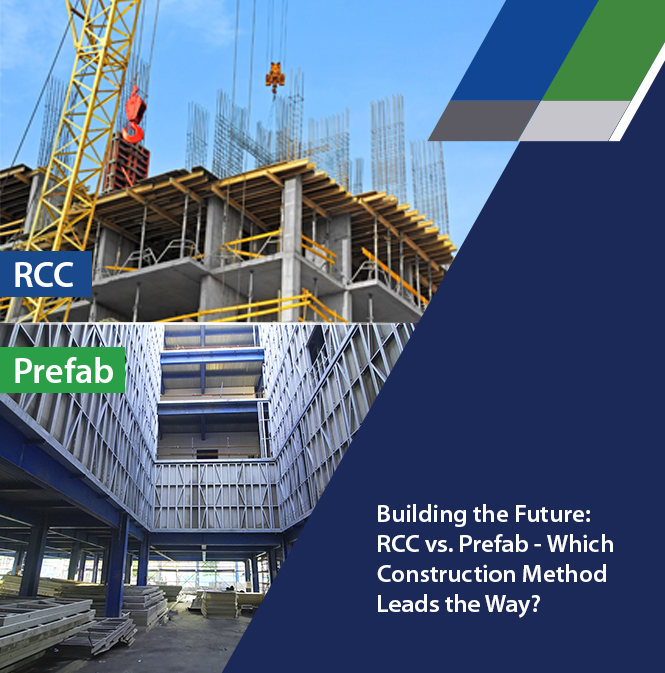
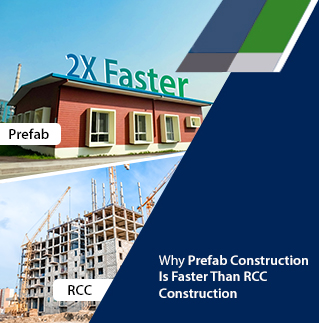
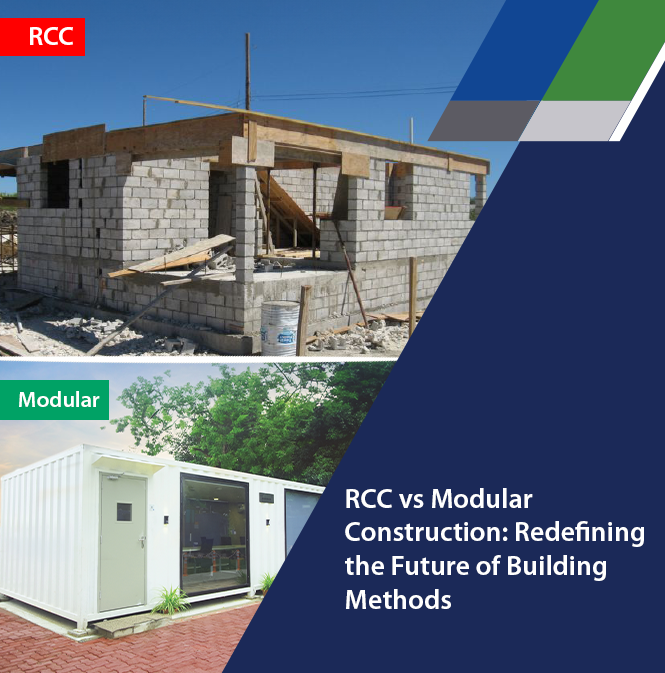
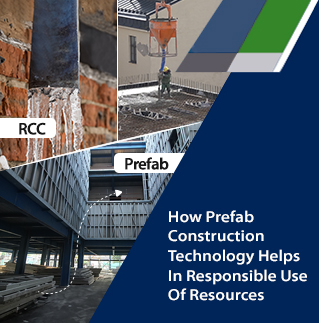
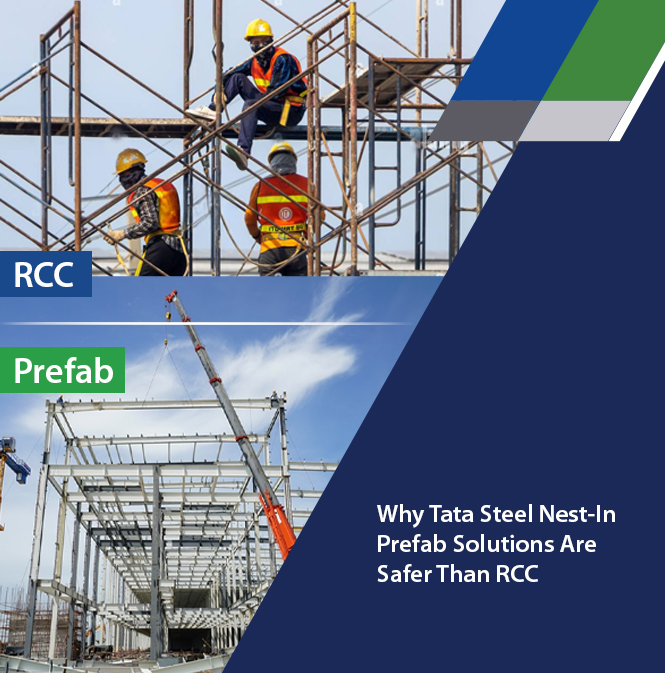
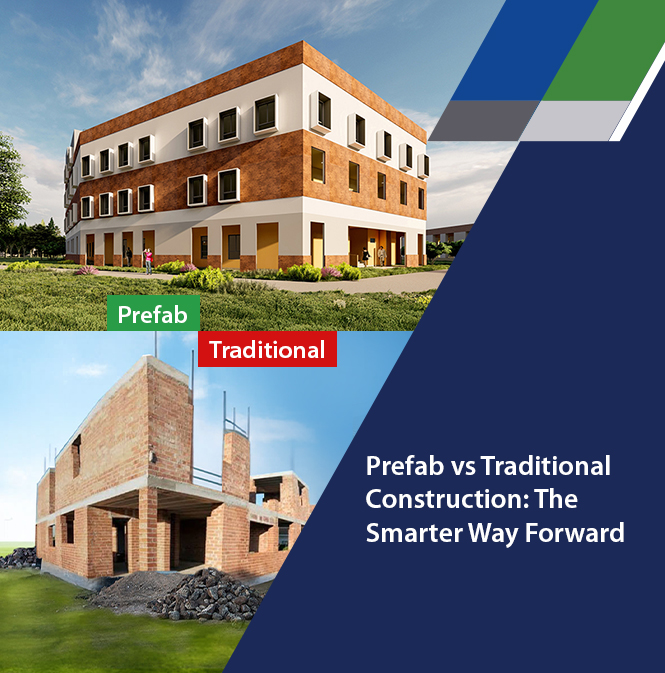
Speed. Because manufacturing runs in parallel with site preparation rather than after it, the curing windows and weather disruptions that extend conventional RCC timelines are largely removed from the schedule. Traditional RCC projects take around 11 months to complete. A prefabricated construction brings down that timeline to just 6 months.
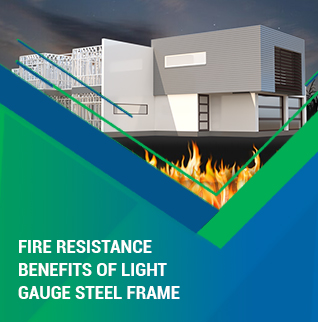
Durability. Tata Nest-In LGSF structures are engineered to withstand earthquakes in Seismic Zones IV and V, resist wind speeds up to 240km/hr., and provide fire resistance of up to 90 minutes, addressing directly the concerns homeowners raise most often about non-brick construction. Galvanised steel also does not absorb moisture the way masonry does, removing another common worry about damp and fungal growth.
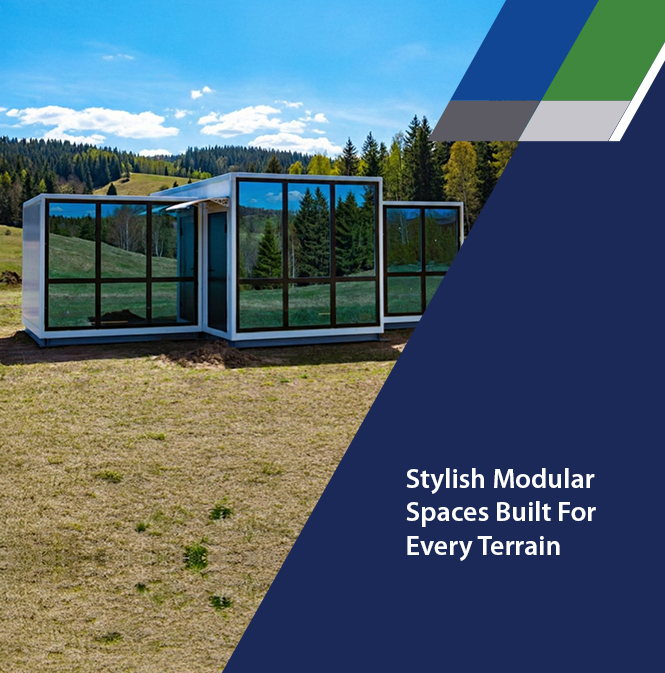
Terrain adaptability. Because finished components arrive ready to install, prefabricated homes reduce dependence on the local material supply chains and skilled labour availability that conventional construction relies on, an advantage that matters as much in a Tier 2 city as it does on a remote plot.
What to Look for in a Manufacturer
- A registered manufacturing facility operating under certified quality processes, rather than site-fabricated components dressed up as factory-built
- Structural specifications matched to your specific seismic zone and wind exposure, not a single generic claim
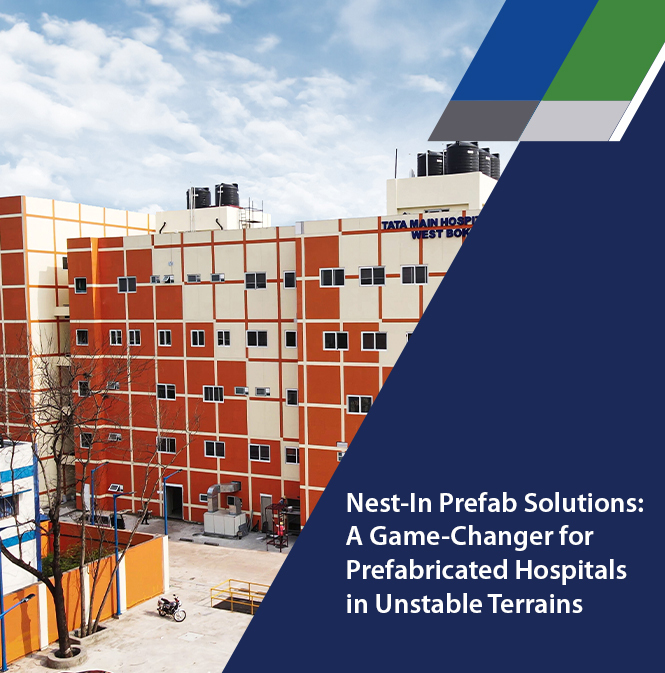
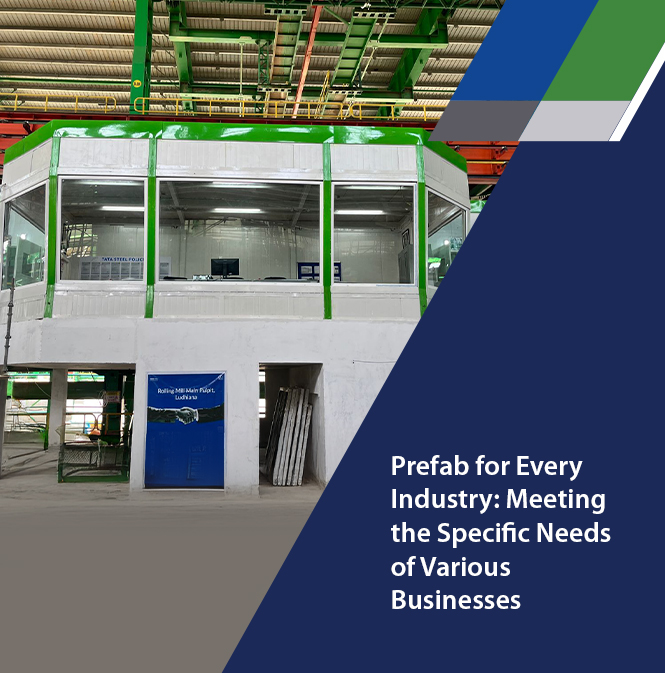
- A track record across multiple building types and geographies, not residential projects alone
How Nest-In Is Changing the Picture
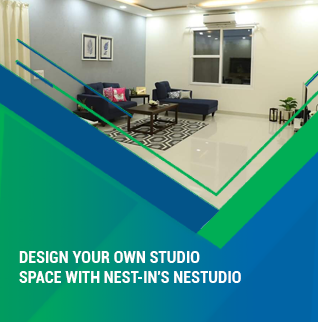
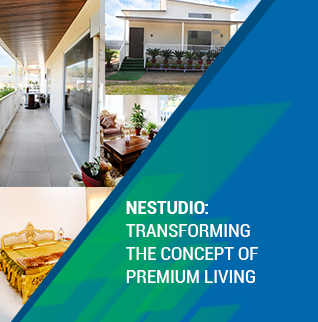
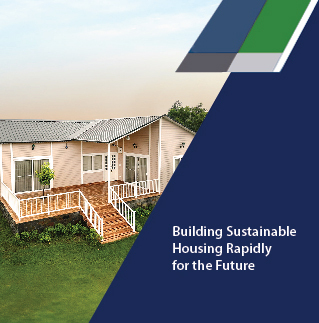
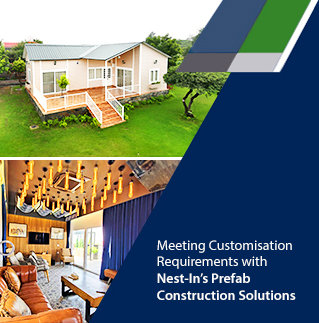
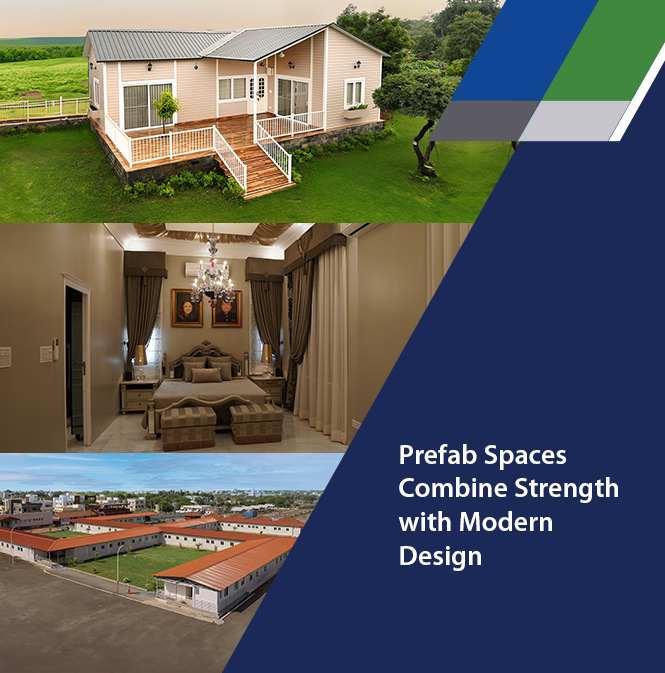
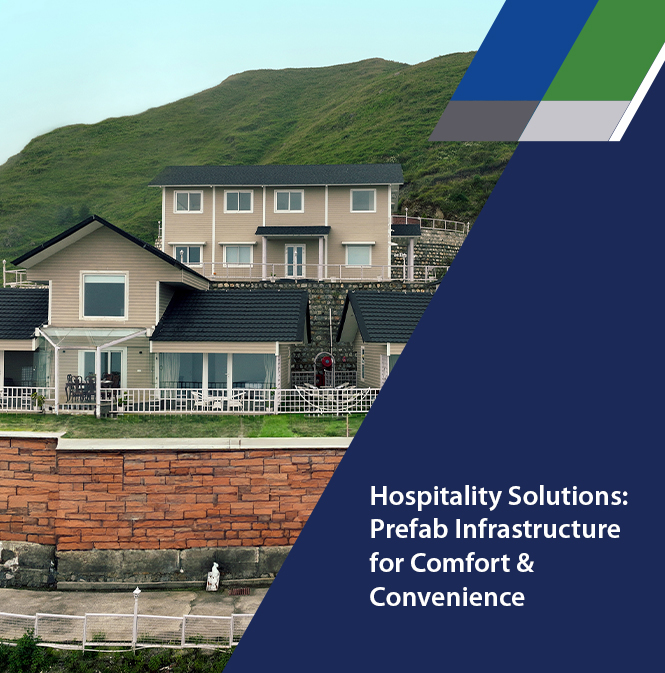
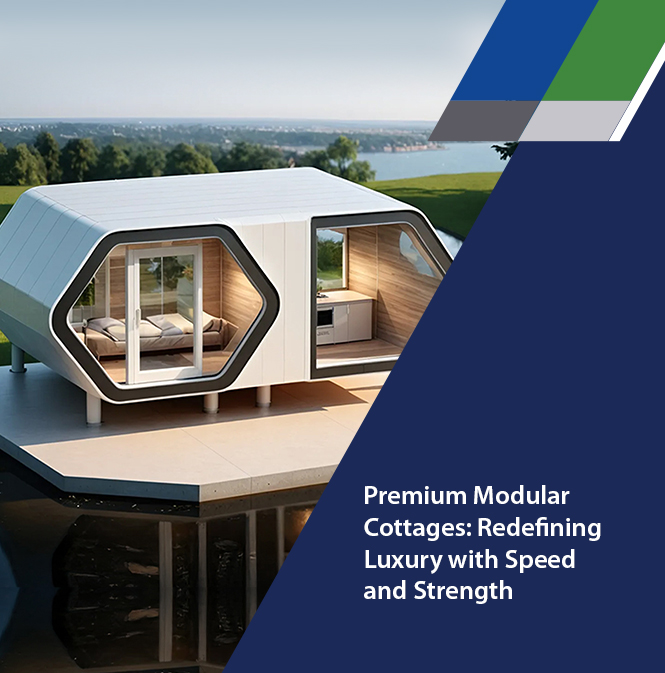
Tata Steel Nest-In brings this approach to the Indian residential market through HabiNest, its LGSF construction system, and Nestudio, its premium residential range for buyers seeking greater design customisation. Units are manufactured through ISO 9001:2015-certified processes at registered manufacturing facilities, with the same engineering standard applied consistently regardless of project location.
Sources
- Quality management certification: ISO 9001:2015
- Seismic zone classifications: IS 1893, Bureau of Indian Standards
Posted in Nest-In on Aug 18, 2026.




Contact Us
Recent Post
Adding a Floor to an Existing House: Why Vertical Extension Favours Light Gauge Steel
Disaster Response Infrastructure: Building for the Window Between Relief and Rehabilitation
Building Schools in the Districts Conventional Construction Cannot Reach
Defence Hangars: Why Large-Span Structures Decide How Fast a Base Becomes Operational
What a Prefabricated House Costs in India: A Buyer's Guide to the Cost Structure



































































Add comment