

Container Offices and Portable Office Cabins: A Practical Guide for Businesses
Every business that has tried to set up a temporary site office knows the problem. Local fabrication is inconsistent, timelines slip, and the finished cabin rarely matches what was promised at the quotation stage. Container offices and portable cabins exist to solve exactly this problem, provided the unit itself is built to last.
What a Modern Container Office Actually Offers
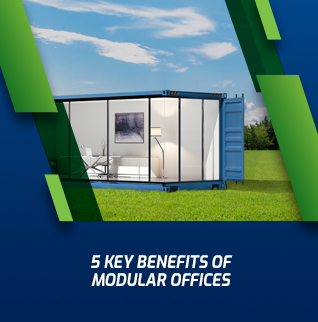
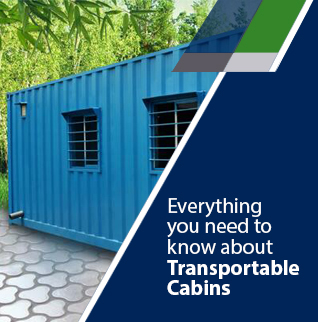
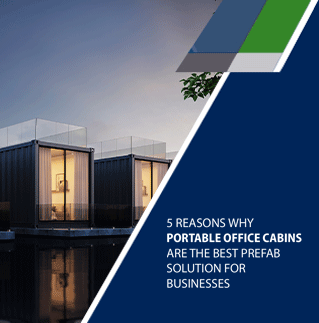
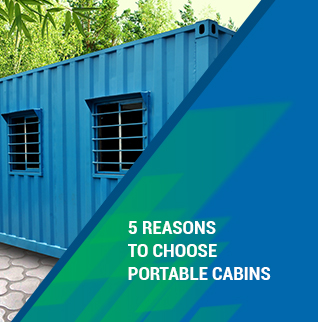
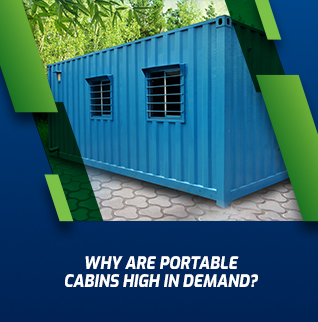
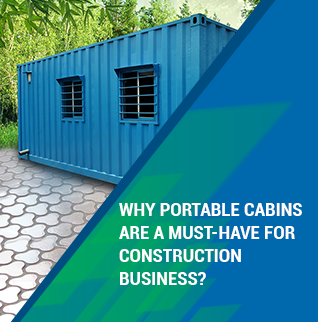
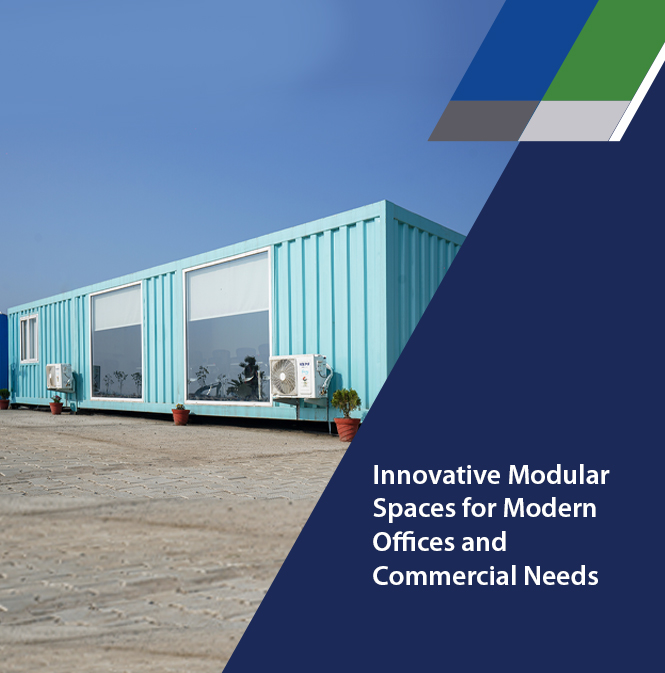
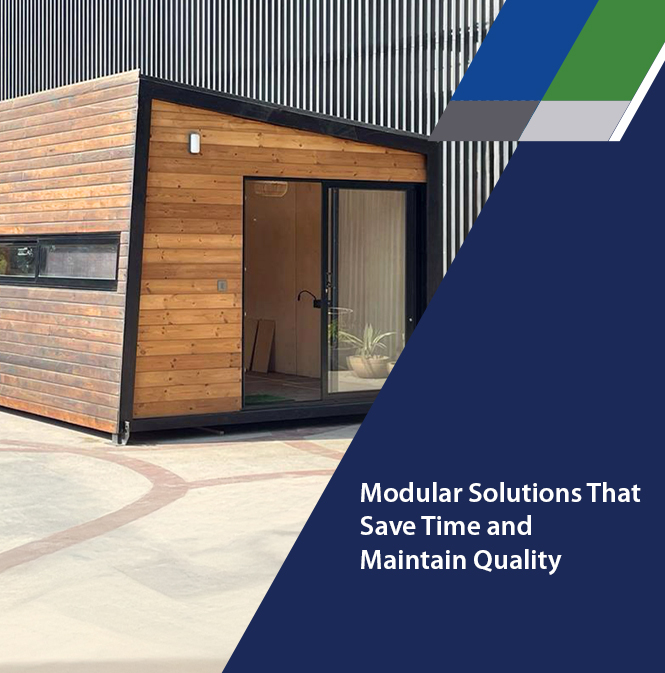
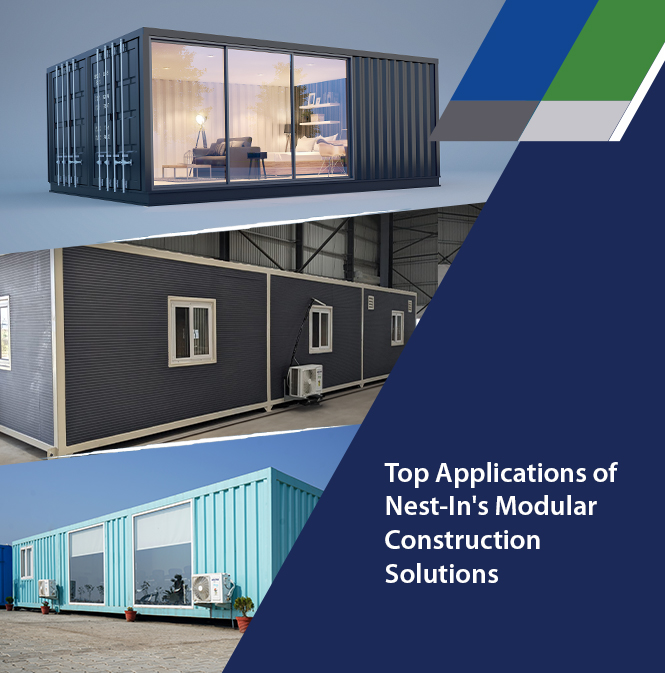
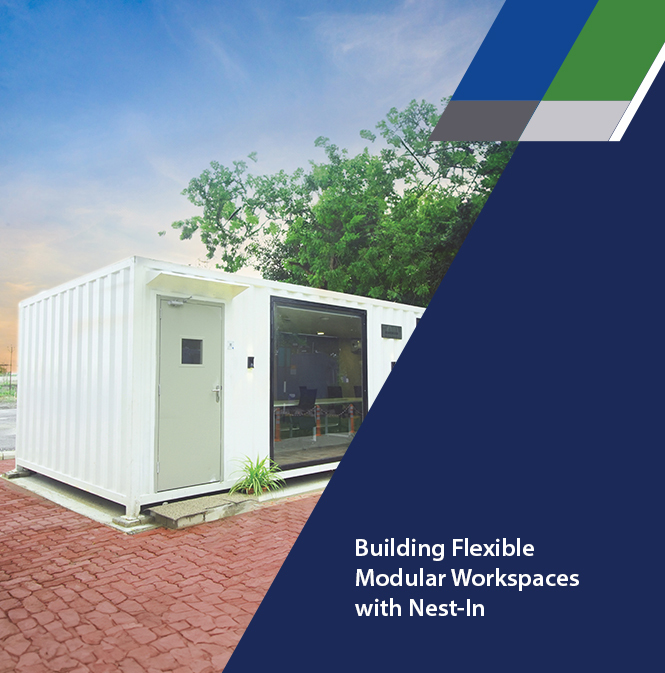
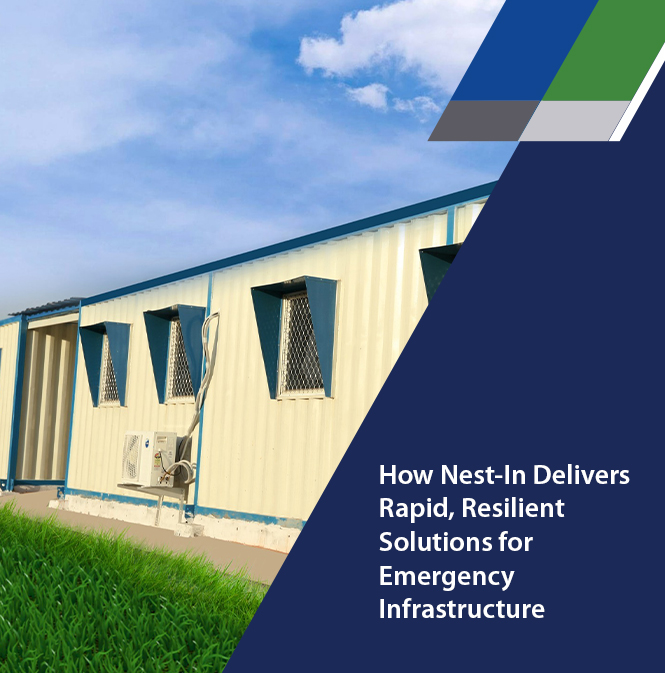
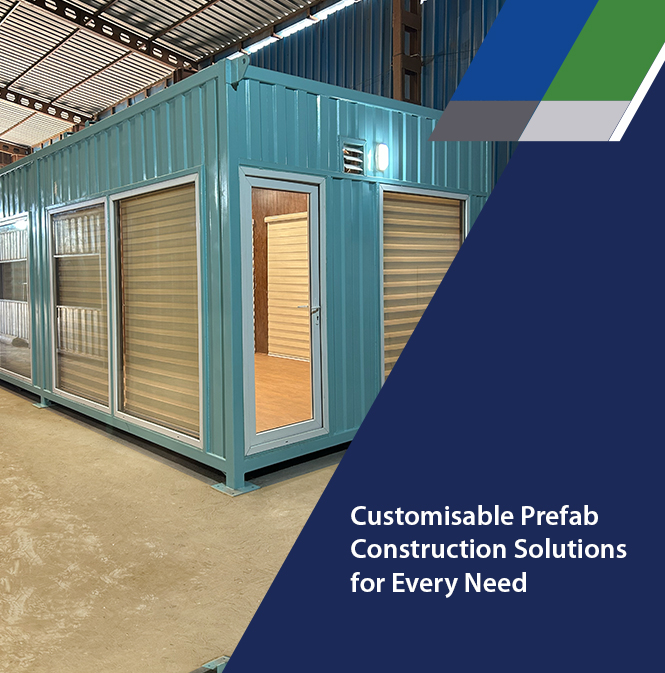
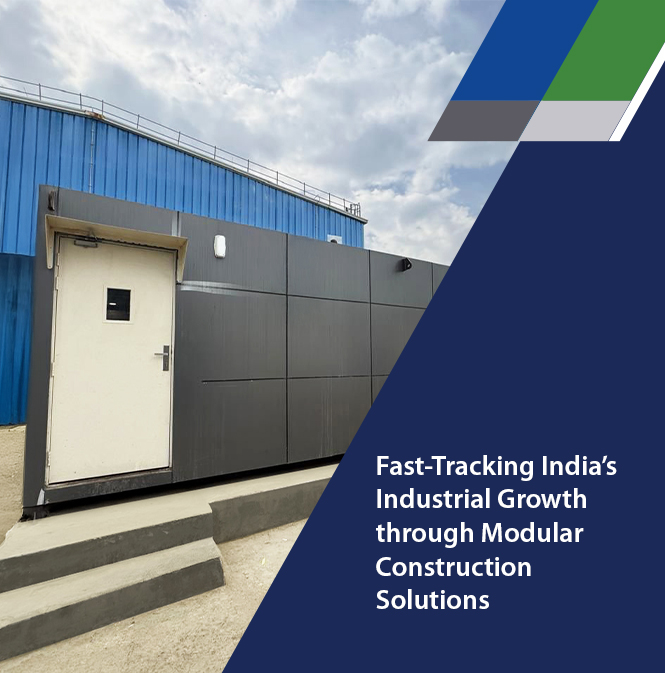
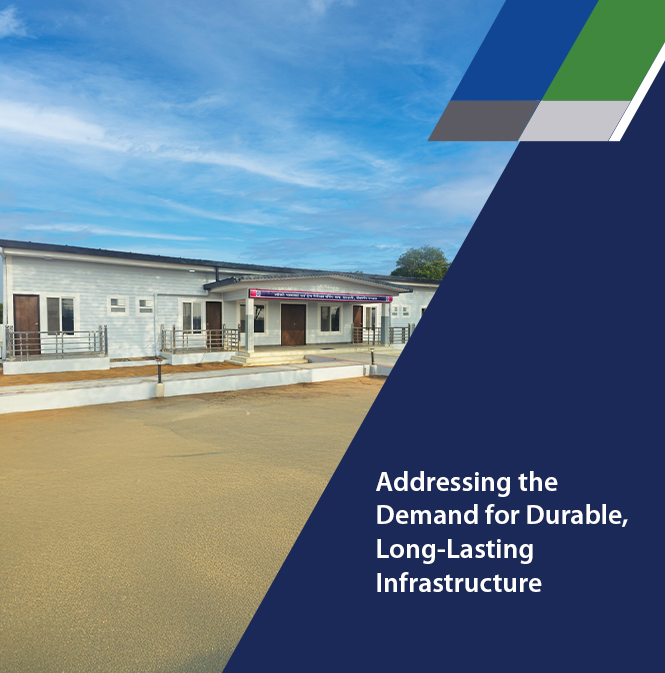
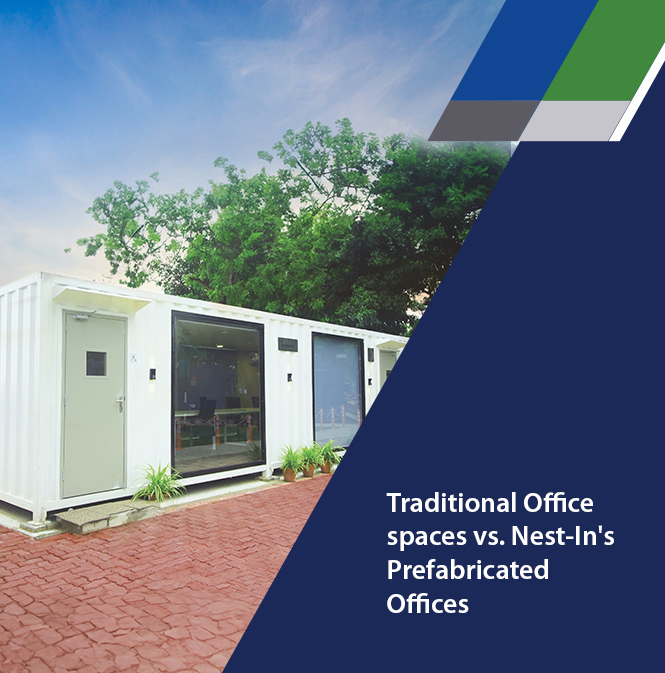
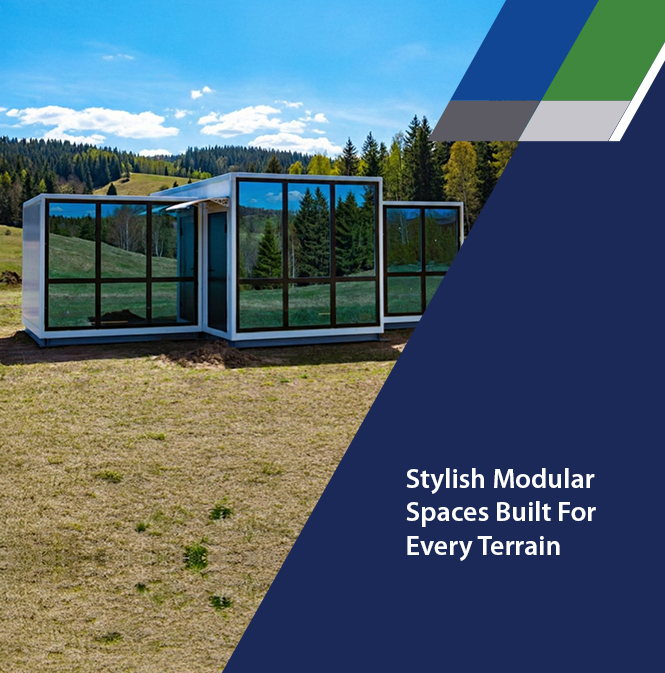
A well-built portable office cabin is not simply a container with a door cut into it. Factory-manufactured units are insulated against heat and cold, fitted with proper electrical and ventilation systems, and finished to a standard that holds up to repeated relocation rather than a single deployment. The difference between a genuinely durable, portable cabin and a basic site shed shows up within the first monsoon season, when insulation and weatherproofing either hold or fail.
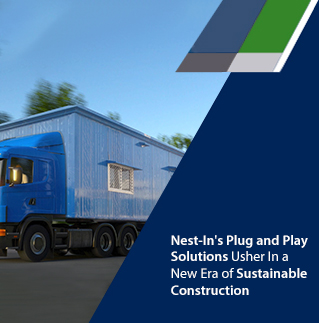
Relocatability is another defining feature. A container office or portable cabin is designed to be demobilised, transported and recommissioned at a new site with minimal rework, which changes how a business can plan projects with a defined end date.
Where Businesses Actually Use Them
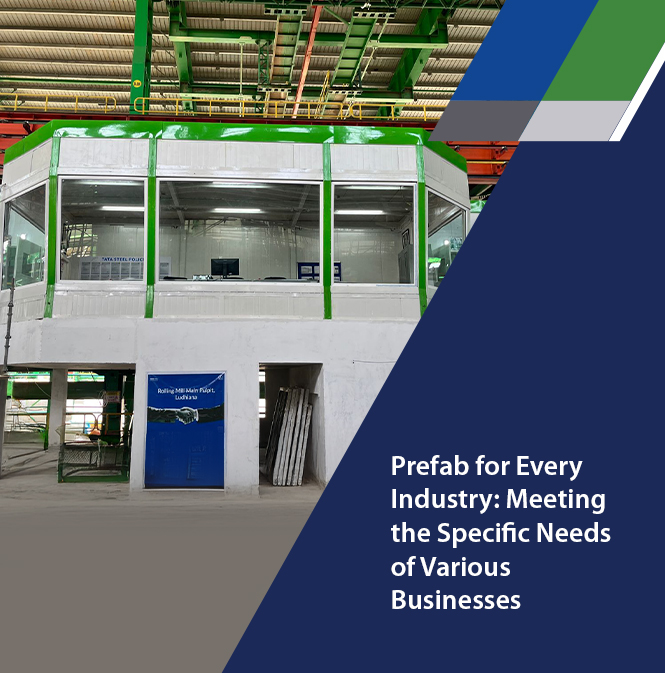
- Site offices. Construction and infrastructure projects need administrative space from day one, often before permanent facilities exist.
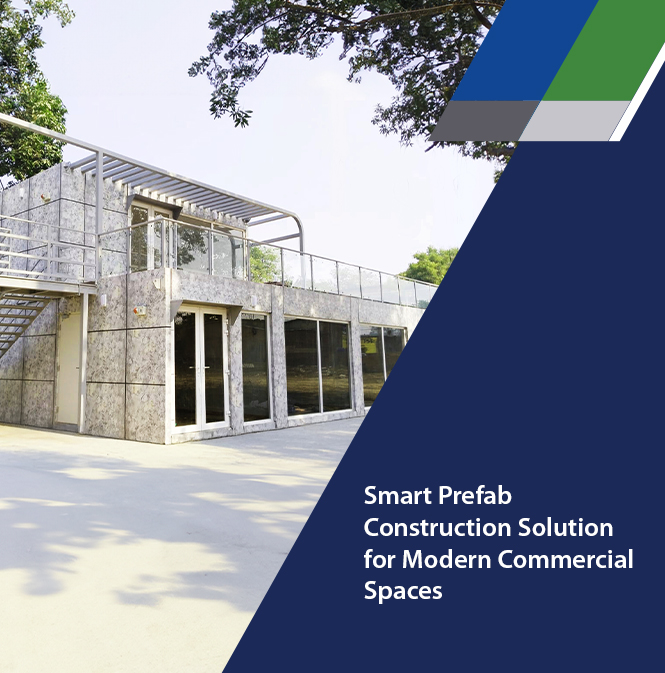
- Remote workspaces. Renewable energy sites, mining operations and infrastructure projects in locations without a reliable local contractor ecosystem depend on units that arrive ready to use.
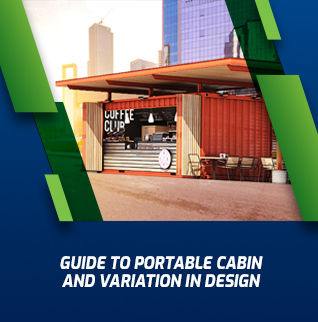
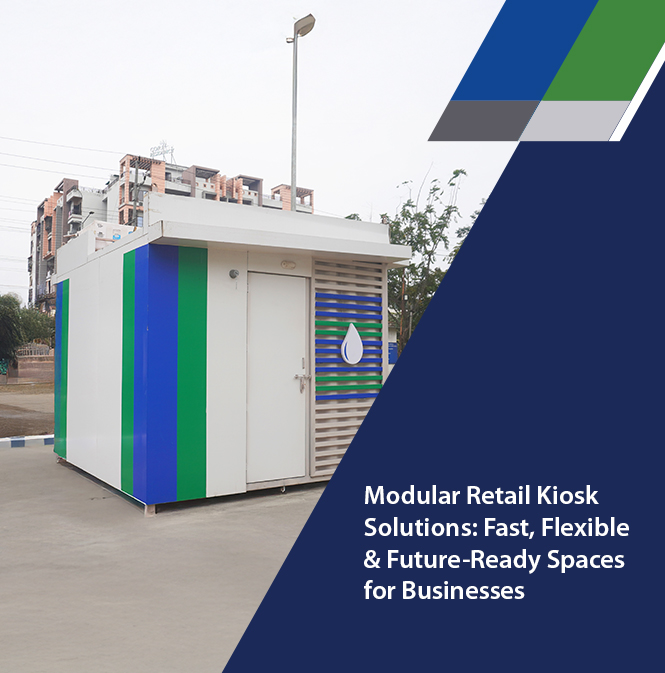
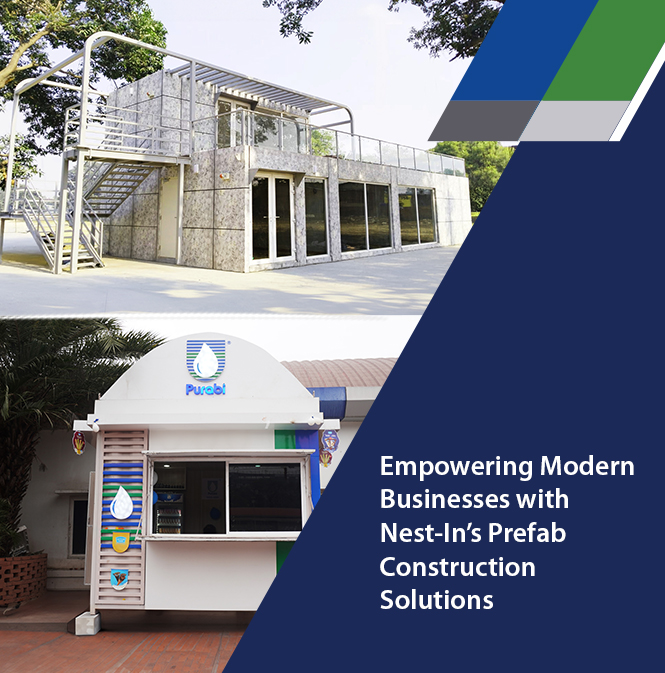
- Retail kiosks. Businesses testing a new location or running a seasonal presence benefit from a unit that can be deployed and removed without a construction programme either way.
- Security and access cabins. Perimeter control at project sites, gated communities and industrial campuses is one of the most common uses for a smaller, standalone portable unit.
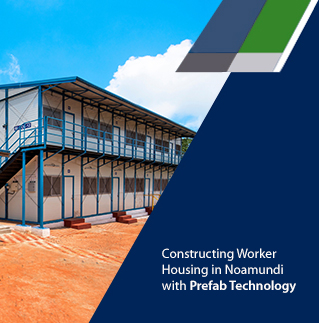
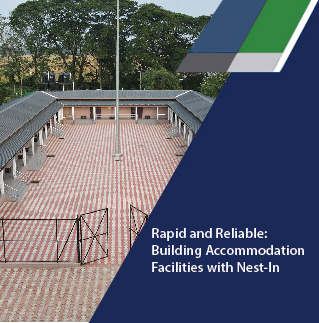
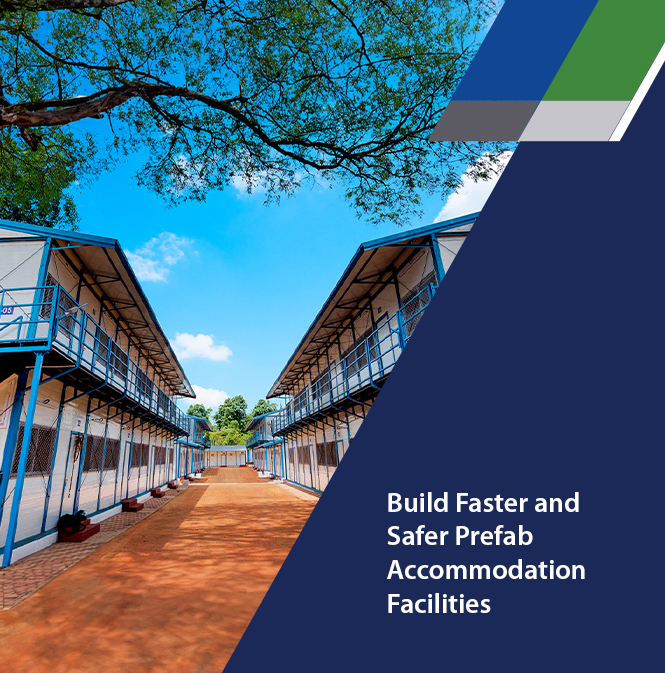
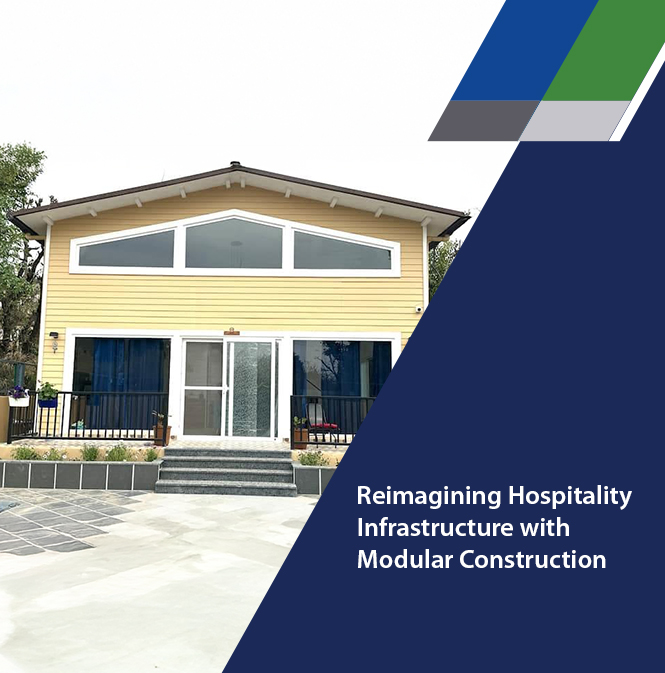
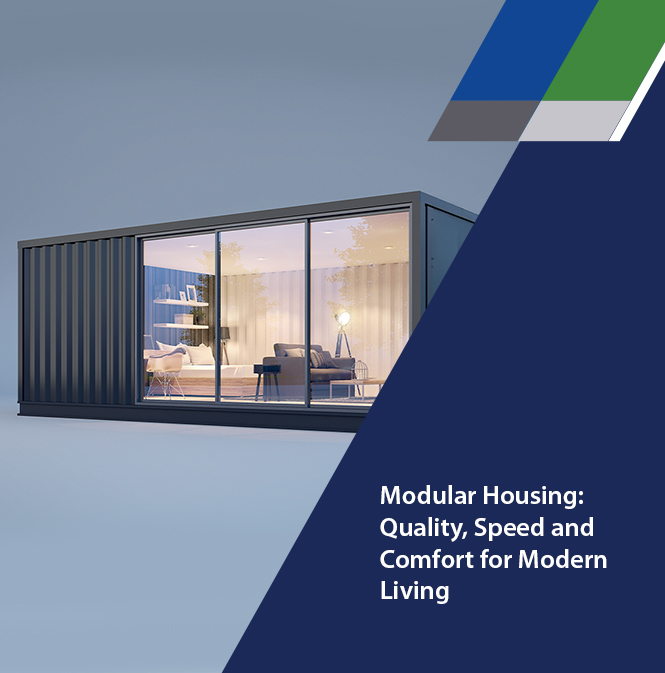
- Workforce accommodation. Multi-day and multi-month site deployments need housing for supervisory staff and workers that does not depend on what is locally available near the project.
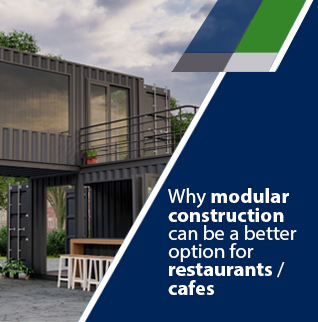
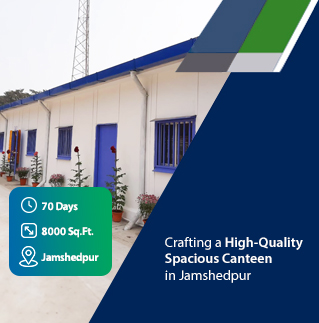
- Canteens and mess facilities. Feeding a workforce on a remote site or a fast-moving project needs kitchen-integrated dining space that can be set up before the main facility exists.
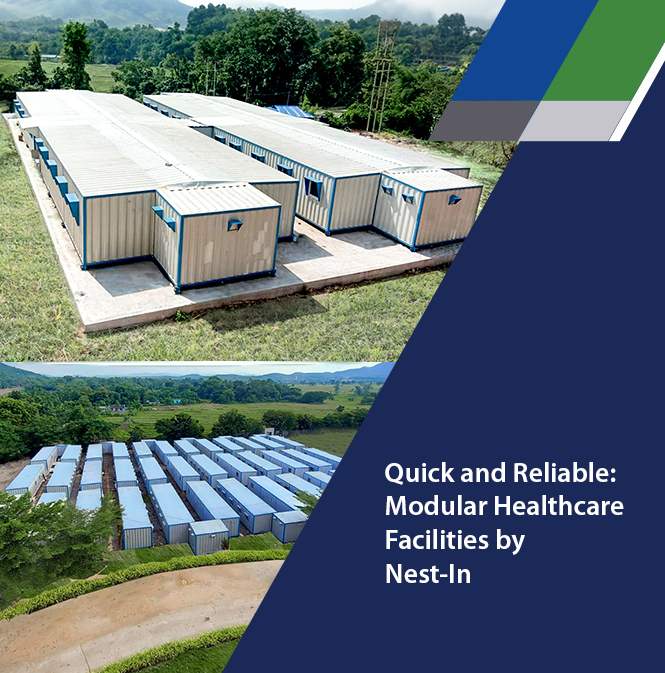
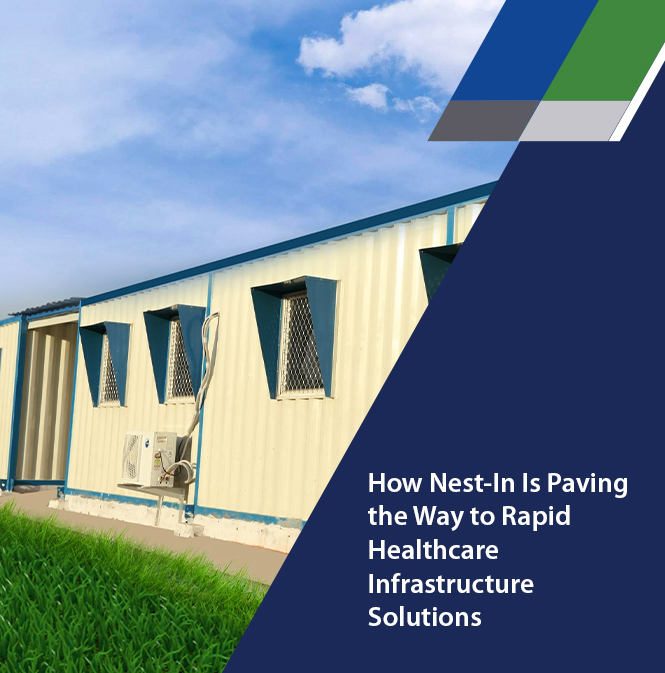
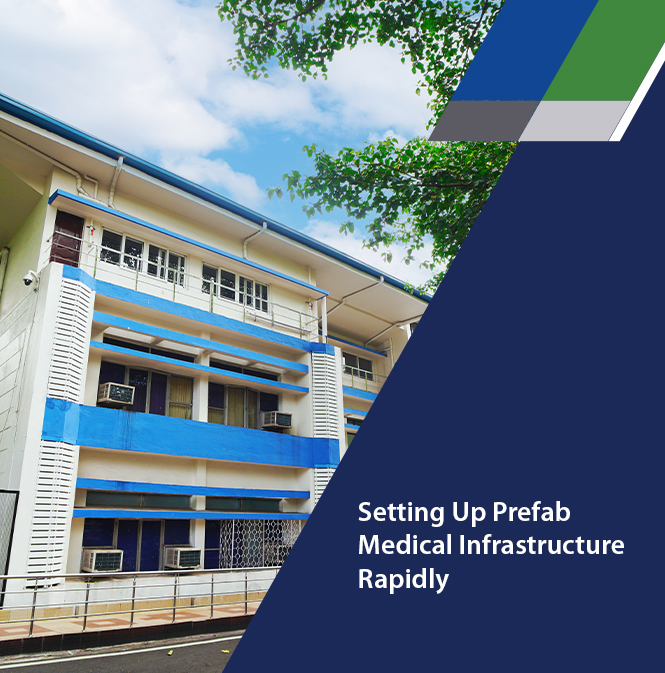
- First aid and medical posts. Sites with elevated safety risk, construction, mining, renewable energy, need a functioning medical response point from the first day of operations, not after the main campus is built.
Why Factory-Built Outperforms Local Fabrication
Locally fabricated cabins are built to whatever standard the fabricator happens to apply on that job, which varies by location, contractor and budget pressure. Factory-built units are manufactured through ISO 9001:2015-certified processes at registered manufacturing facilities, meaning the specification that arrives at a remote site matches the specification that left the plant, not a version adjusted for what was available locally.
The Complete Modular Range for Every Use Case
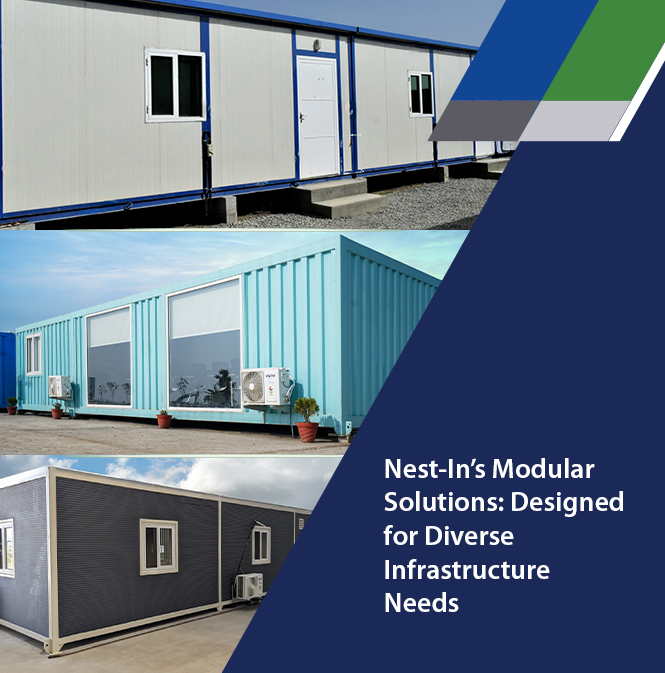
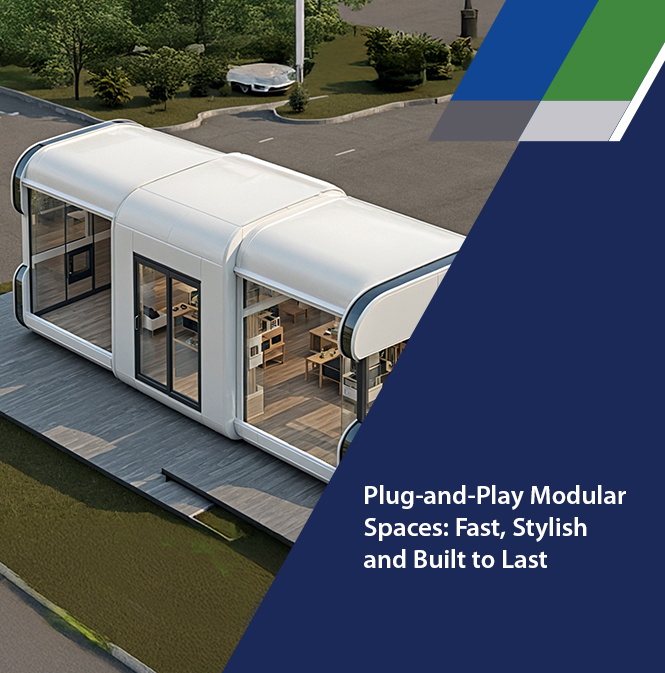
Nest-In's portable steel modular range covers the full spread of what businesses actually need: site offices and project management cabins, security and access control cabins, storage containers, workforce accommodation, canteens and mess facilities, first aid and medical posts, and first-response welfare units. Specification depends on the use case. A site office needs different insulation and electrical provision to a storage container, and a security cabin has different footprint requirements to a retail kiosk.
Getting the Specification Right
The mistake most businesses make is treating a portable cabin as a commodity purchase. The right specification, insulation level, electrical load and floor plan depends entirely on what the unit needs to do and where it needs to do it, and that is worth working through before placing an order rather than after.
Connect with us at 1800 208 8200 or visit www.nestin.co.in to explore MobiNest portable cabins and container offices for your business.
Sources
- Quality management certification: ISO 9001:2015
Posted in MobiNest on Aug 25, 2026.




Contact Us
Recent Post
Adding a Floor to an Existing House: Why Vertical Extension Favours Light Gauge Steel
Disaster Response Infrastructure: Building for the Window Between Relief and Rehabilitation
Building Schools in the Districts Conventional Construction Cannot Reach
Defence Hangars: Why Large-Span Structures Decide How Fast a Base Becomes Operational
What a Prefabricated House Costs in India: A Buyer's Guide to the Cost Structure






















Add comment