

Portable Toilets and Modular Sanitation Units in India: A Complete Buyer’s Guide
A portable toilet ordered for a construction site, a public event or a CSR deployment is rarely evaluated on more than price and availability. That is usually a mistake, because the gap between a basic unit and a properly engineered modular sanitation block shows up quickly, in odour control, structural durability and how the unit holds up across repeated use.
What Separates a Durable Unit from a Basic One
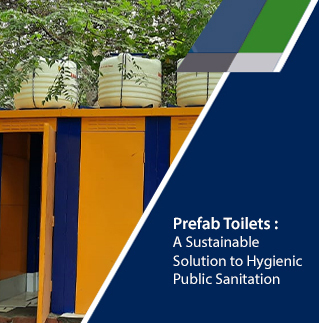
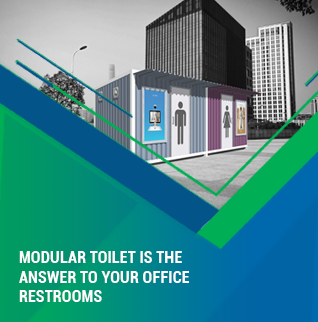
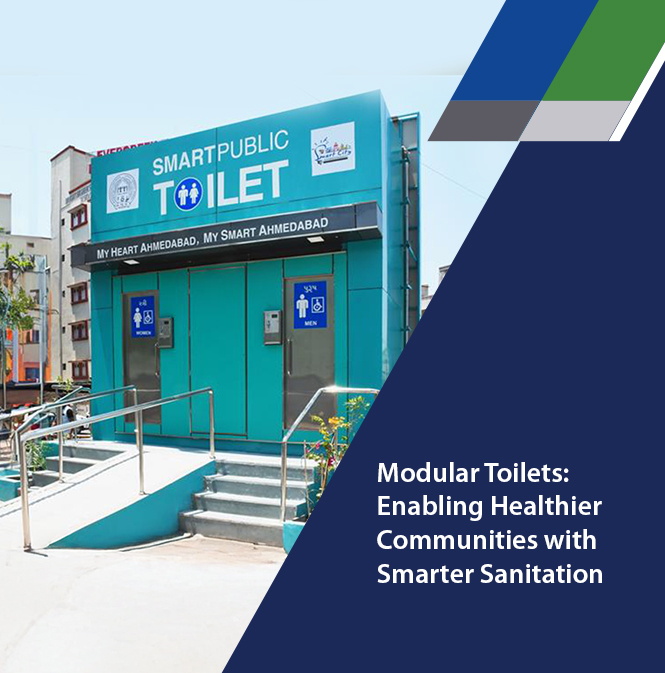
A genuinely modular sanitation unit is manufactured as a complete system, not assembled from separate fittings on-site. Pre-plumbed connections, proper ventilation, water-efficient fixtures and a structural shell built to withstand repeated relocation all separate a durable unit from one that will need replacing within a single project cycle. Material quality matters as much here as it does in any other prefabricated structure. A unit built from substandard sheet material will deteriorate faster, particularly in high-humidity or high-footfall deployments.
Where These Units Are Actually Used
- Construction sites, where sanitation facilities need to be operational from the first day of mobilisation and often need to move as the site progresses.
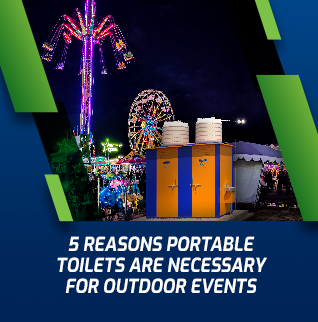
- Public spaces, including events, transport hubs and high-footfall public areas where hygiene standards and appearance both matter.
- Institutions, such as schools, hospitals, and training centres, where sanitation blocks need to meet a consistent standard across multiple locations.
- CSR deployments, where organisations are installing sanitation infrastructure in underserved communities and durability determines whether the investment lasts.
Why Recyclability and Insulation Matter Over the Unit's Life
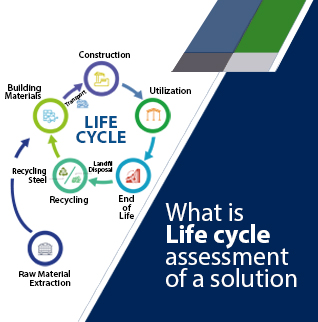
A sanitation unit is rarely a single-use purchase. Units built for demobilisation and redeployment, rather than a single site lifecycle, extend the value of the initial investment considerably. Steel-framed units also offer a recyclability advantage at end of life that fabricated alternatives typically do not, which matters increasingly to organisations reporting against sustainability commitments.
Sanitation Solutions Built for the Long Term
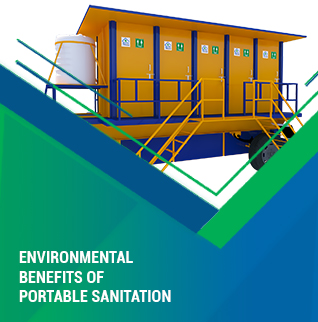
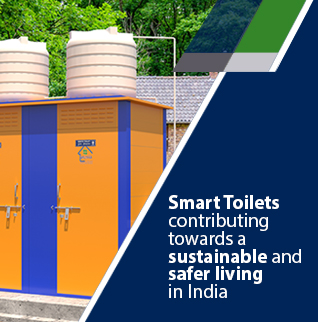
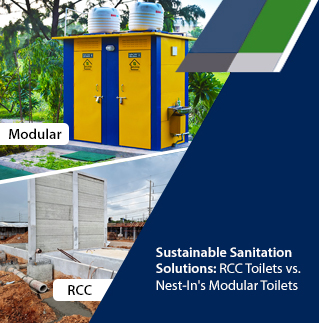
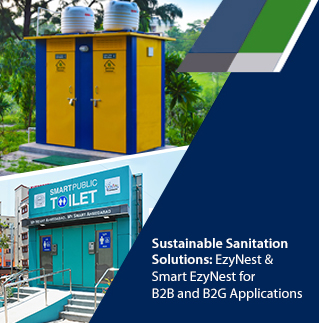
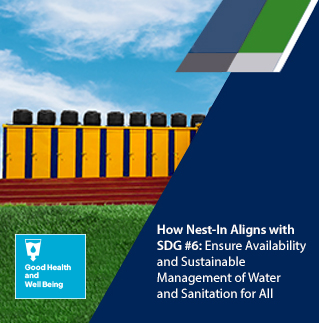
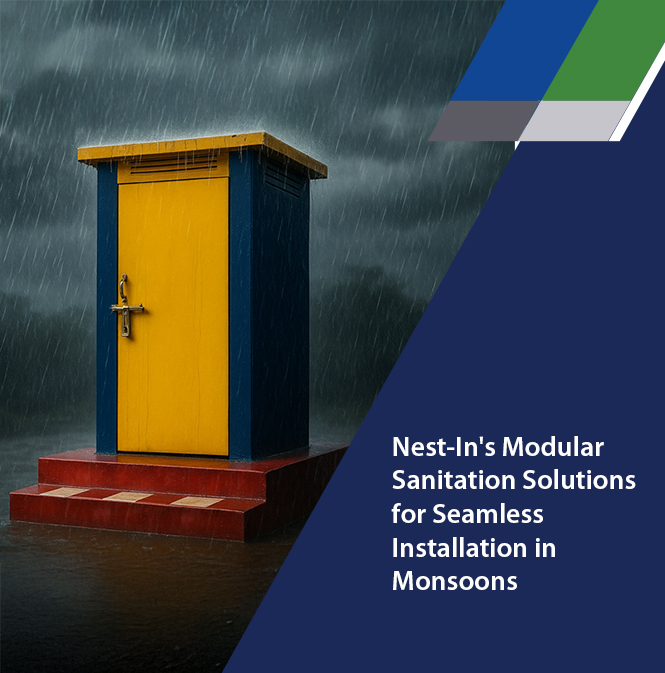
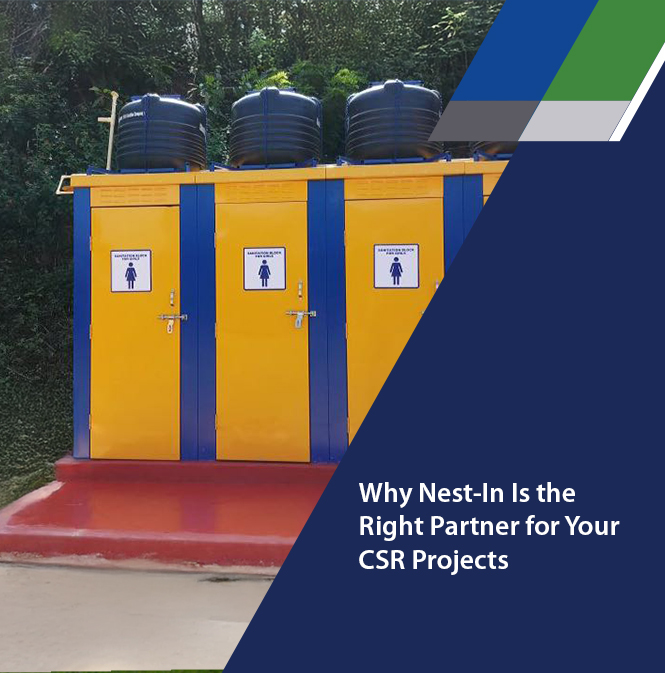
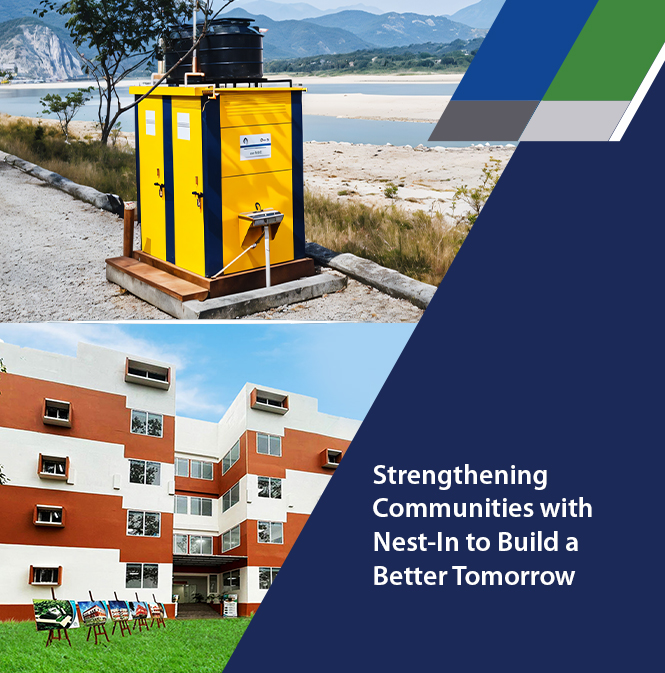
Nest-In's modular sanitation solutions arrive pre-plumbed and pre-fitted, removing the separate construction programme that site-built sanitation typically requires. An automated, self-cleaning range extends this further, suited to high-footfall or hygiene-critical environments where manual maintenance cannot keep pace with usage. Both ranges are manufactured under ISO 9001:2015-certified processes at registered manufacturing facilities.
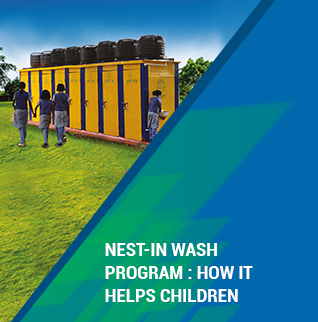
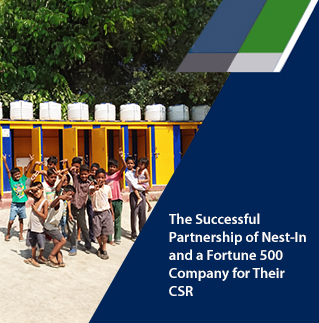
Nest-In has installed more than 1,150 modular sanitation units for Nestlé across ten states, delivering safe sanitation access to schools in remote areas as part of a corporate CSR partnership.
Choosing on More Than Price
Sanitation infrastructure is easy to under-specify because the unit cost looks similar across suppliers at first glance. What actually determines value is what happens after installation, not what appears on the quote. Buyers comparing suppliers should look closely at:
- Manufacturing standard. Units built under ISO 9001:2015-certified processes carry a consistent specification regardless of where they are deployed; units from an unregistered fabricator do not.
- Water and electrical compatibility. Confirm the unit connects to existing site infrastructure without a separate retrofit programme, particularly for plumbing and drainage on remote or difficult terrain.
- Maintenance load. A unit that needs constant manual cleaning or frequent plumbing intervention costs more over its service life than the installation price suggests, especially in high-footfall settings.
- Redeployability. Whether the unit can be relocated and reused at the next site, or is written off at project close, changes the real cost per deployment.
- Weatherproofing and insulation. Thermal comfort and structural performance across monsoon, heat and cold extremes affect both usability and long-term durability.
- After-sales support. A supplier's ability to service, repair or replace components matters more once the unit is in daily use than it does at the point of purchase.
- Material recovery at end of life. Steel-based units can be disassembled and recycled; units built from mixed or composite materials generally cannot.
Connect with us at 1800 208 8200 or visit www.nestin.co.in to explore sanitation solutions for your project.
Sources
- Quality management certification: ISO 9001:2015
Posted in EzyNest on Sep 02, 2026.




Contact Us
Recent Post
Adding a Floor to an Existing House: Why Vertical Extension Favours Light Gauge Steel
Disaster Response Infrastructure: Building for the Window Between Relief and Rehabilitation
Building Schools in the Districts Conventional Construction Cannot Reach
Defence Hangars: Why Large-Span Structures Decide How Fast a Base Becomes Operational
What a Prefabricated House Costs in India: A Buyer's Guide to the Cost Structure
















































Add comment