

EV Charging Infrastructure: Why the Structure Around the Charger Decides the Rollout Speed
India's EV charging rollout is usually discussed in terms of charger counts, power ratings and grid connections. The equipment side of the problem is well understood and reasonably well supplied.
The civil side is where the rollout actually slows. A charger cannot be commissioned until the canopy is up, the equipment enclosure is built, the attendant facility is ready and the site is fit for public use. Those are construction items, and they run on construction timelines.
The Constraint Is Civil, Not Electrical
An operator building out a network is not managing one construction project. It is managing dozens of small, geographically dispersed ones, each with its own local contractor, its own approval process and its own supervision requirement.
Each site is too small to attract serious contractor attention and too numerous to supervise closely. The result is a rollout that moves at the pace of the slowest local contractor on the list, with quality varying site to site in ways the operator discovers after commissioning.
Standardisation Is the Commercial Asset
A charging network is a consumer-facing brand. The customer experience at a site in Bengaluru should match the one in Jaipur, because inconsistency at a public touchpoint is visible in a way that inconsistency at an industrial site is not.
Site-by-site construction cannot deliver that. Different contractors, different material batches and different supervision standards produce different outcomes, however tightly the drawing set is specified.
Factory manufacture produces the same structure regardless of destination. Canopy, enclosure and attendant facility arrive to a single specification, and the network looks and performs the same everywhere.
Why Relocatability Matters in a Rollout This Young
Charging networks are still learning which locations perform. Traffic patterns, dwell times and local vehicle adoption are all moving, and a site selected on today's assumptions may not be the right site in three years.
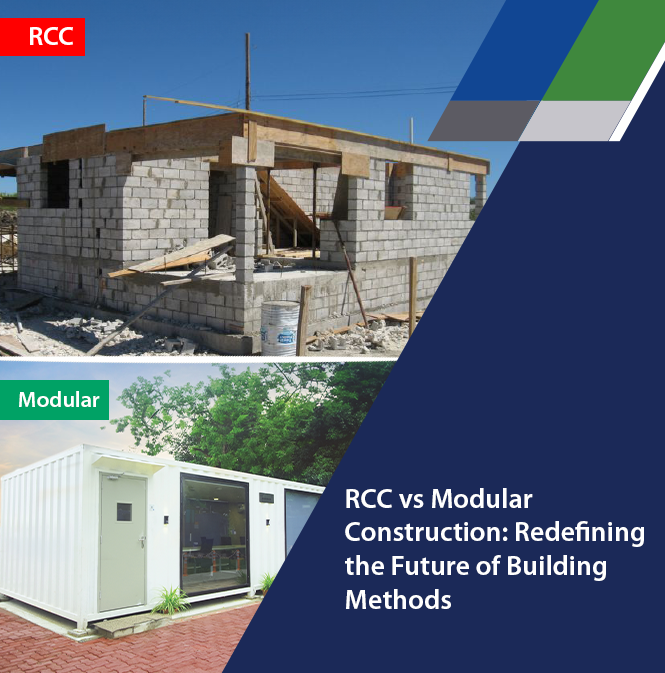
Conventional construction treats that uncertainty as a sunk cost. A poured and built charging site that underperforms has limited recovery value, and the decision to relocate carries the full cost of building again.
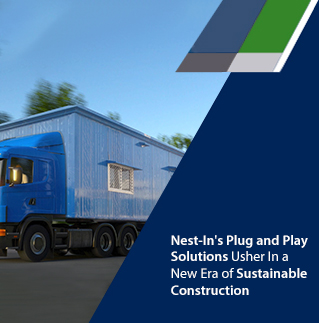
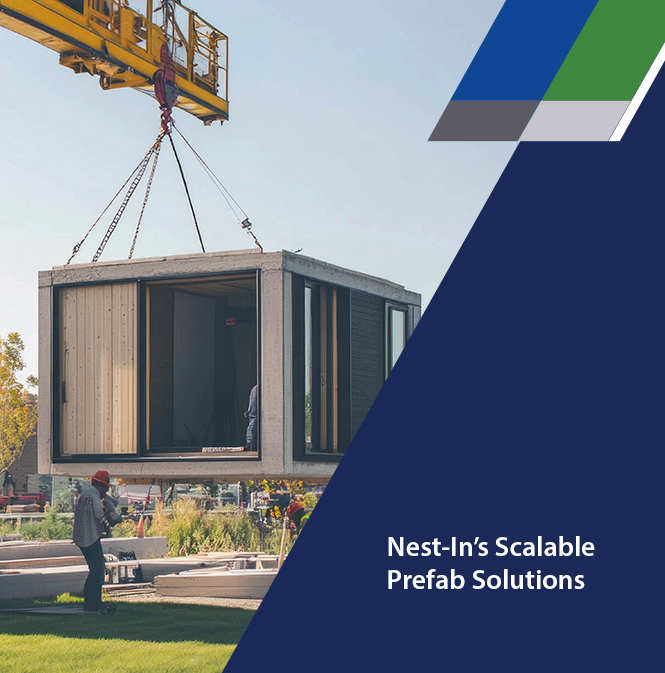
Modular infrastructure treats it as a portfolio question instead. Units can be demobilised, transported and recommissioned at a better-performing location, which changes how a network operator plans site selection in the first place.
How Nest-In Covers the Charging Site Brief
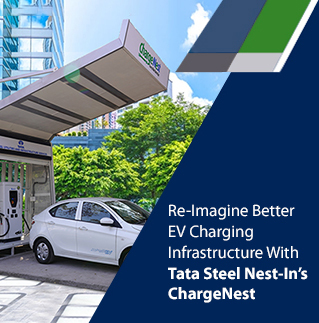
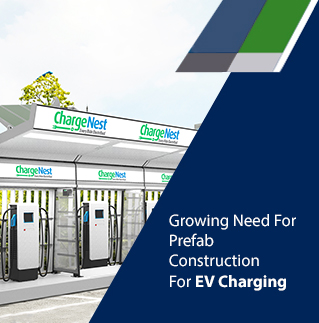
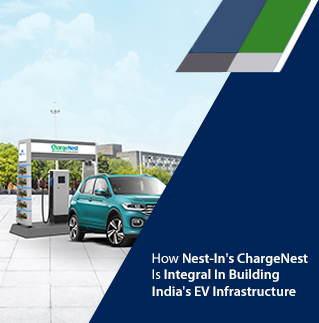
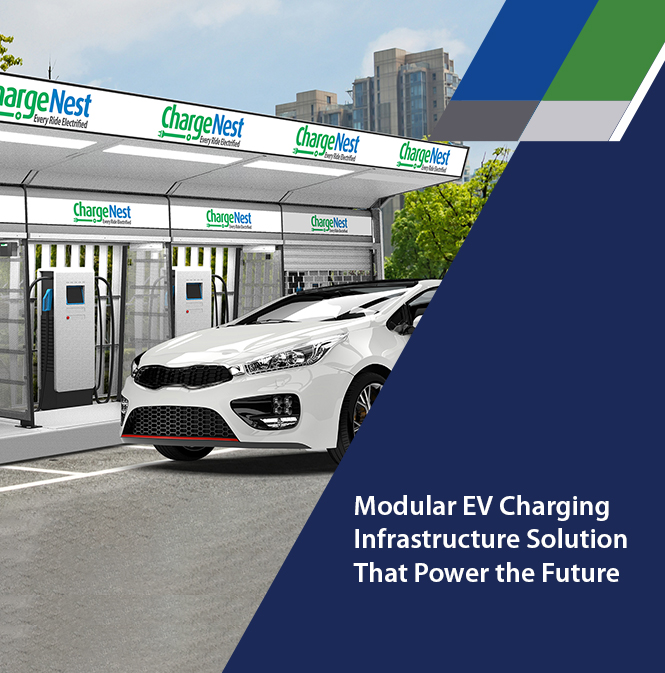
Tata Steel Nest-In addresses the charging site as a complete infrastructure requirement rather than a single structure, with ChargeNest covering the EV charging application within the wider modular range.
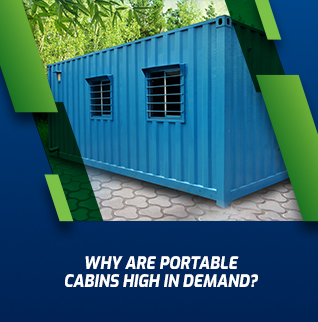
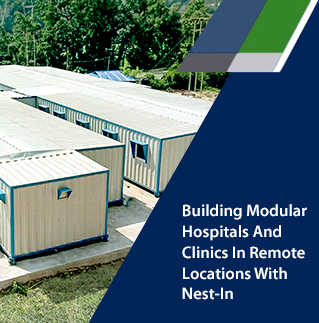
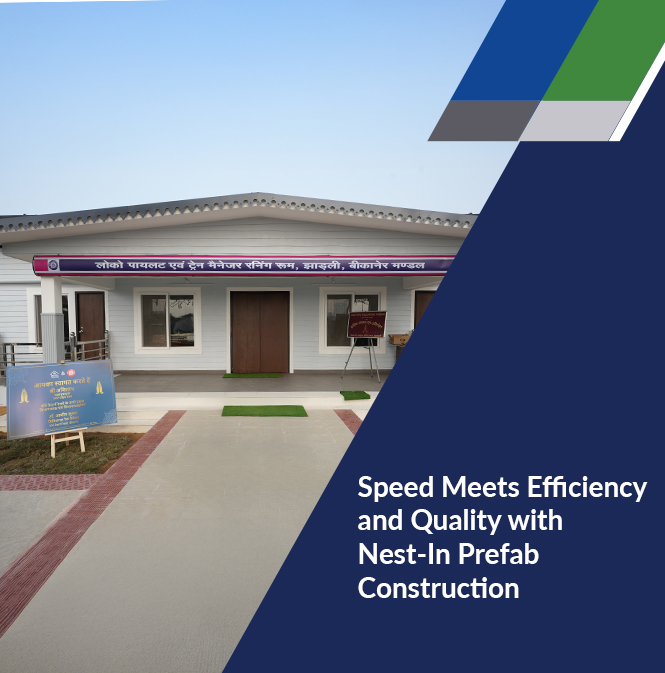
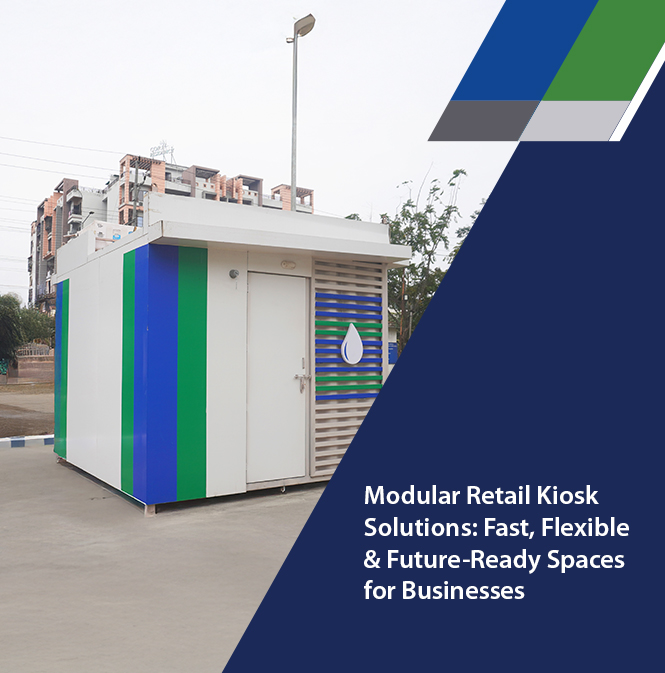
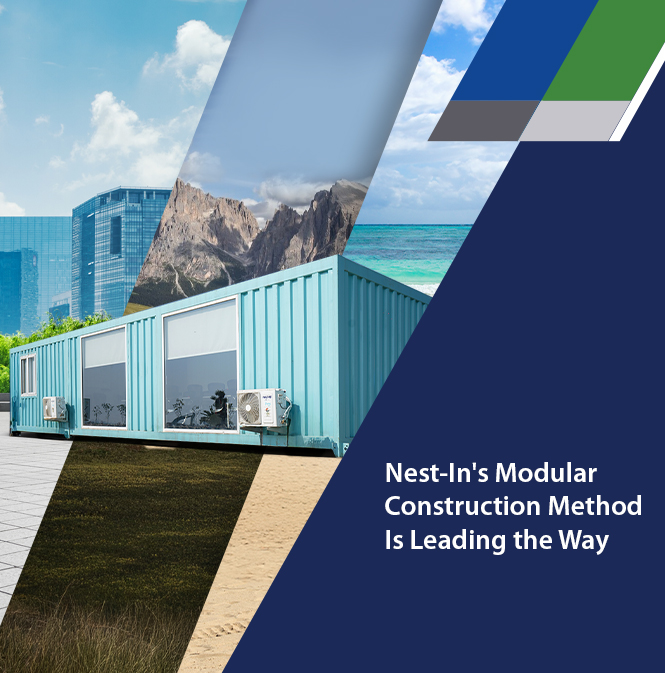
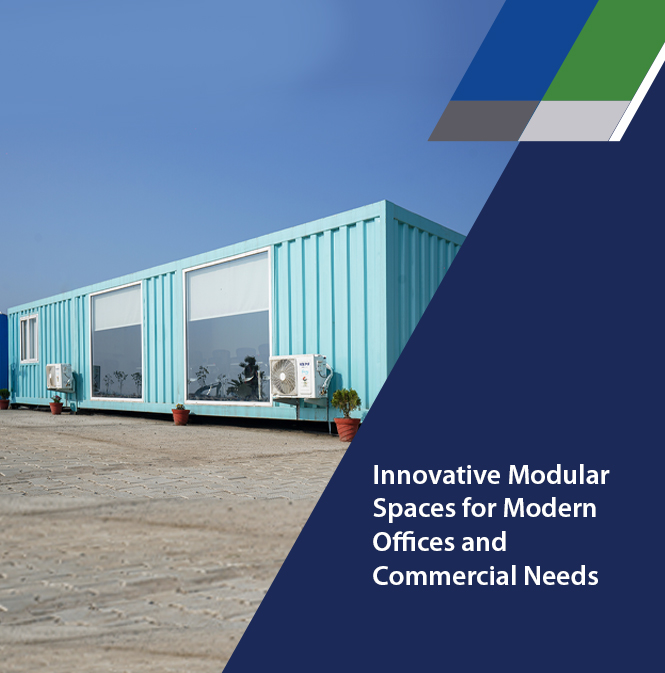
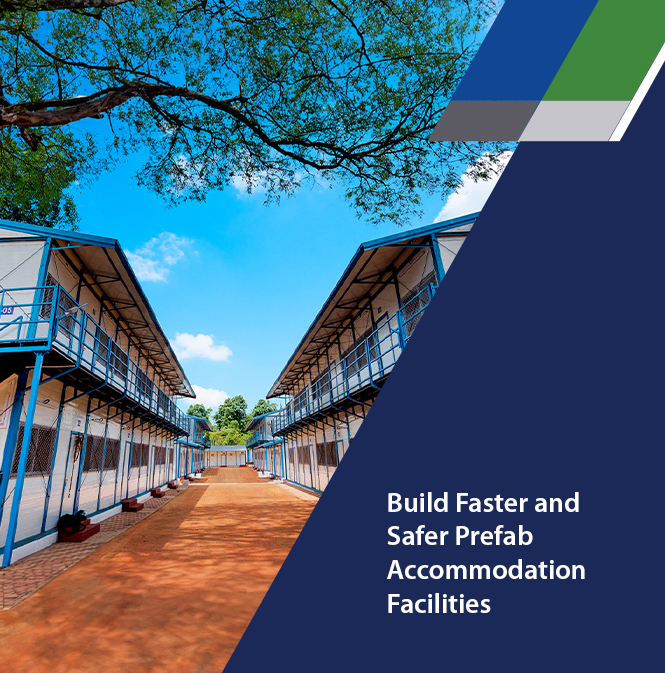
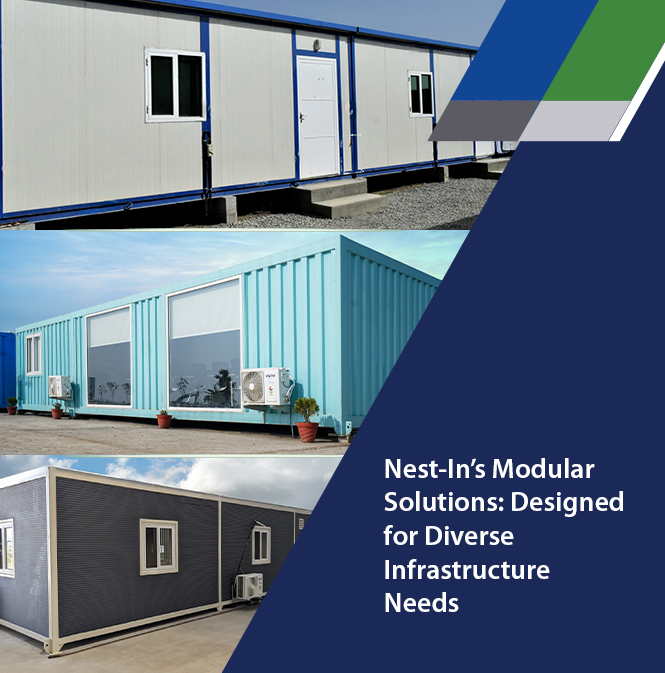
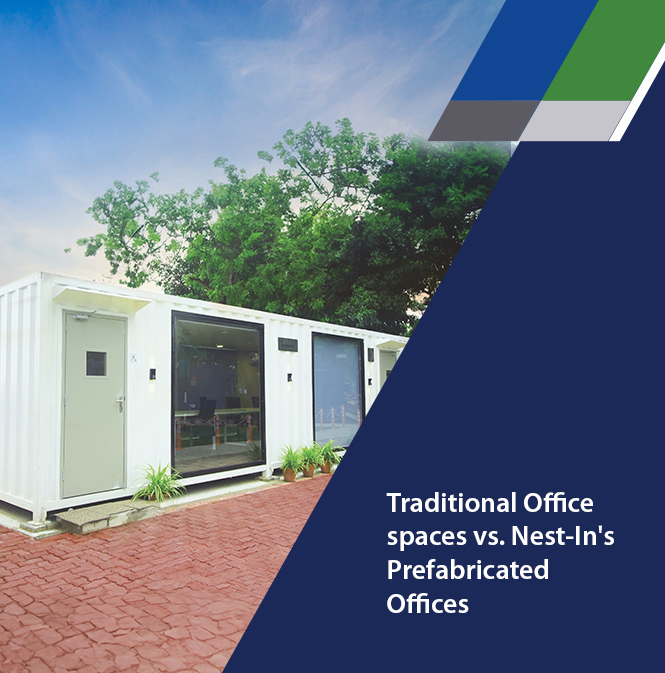
MobiNest portable steel cabins cover the supporting brief: attendant and operator cabins, retail and refreshment units at highway sites, security cabins, and equipment and spares storage. These units are relocatable, which suits a network still establishing which locations justify permanent investment.
For larger sites, Pre-Engineered Building (PEB) capability covers canopy structures with clear spans, along with maintenance and service buildings for network operations.
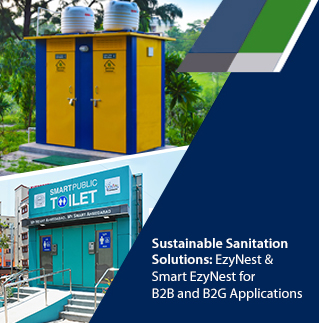
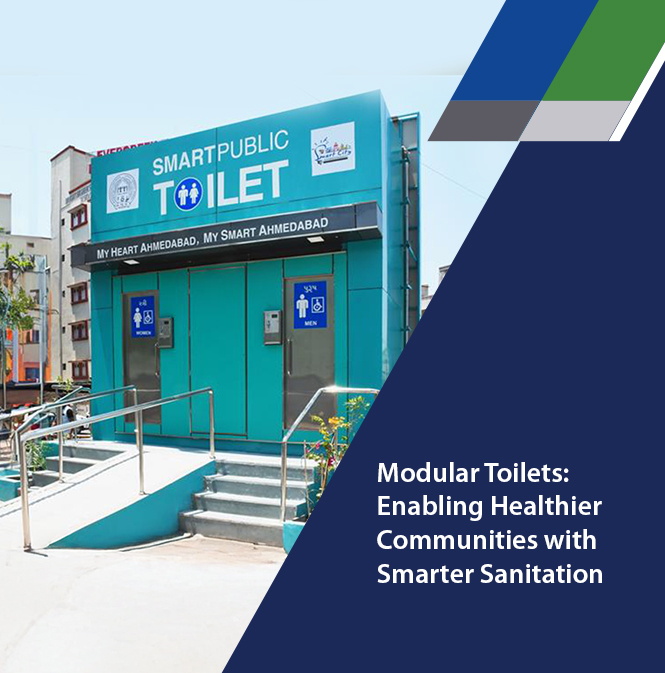
EzyNest and Smart EzyNest sanitation units complete the highway charging brief, arriving pre-plumbed and ready for connection, with automated self-cleaning suited to unattended public locations.
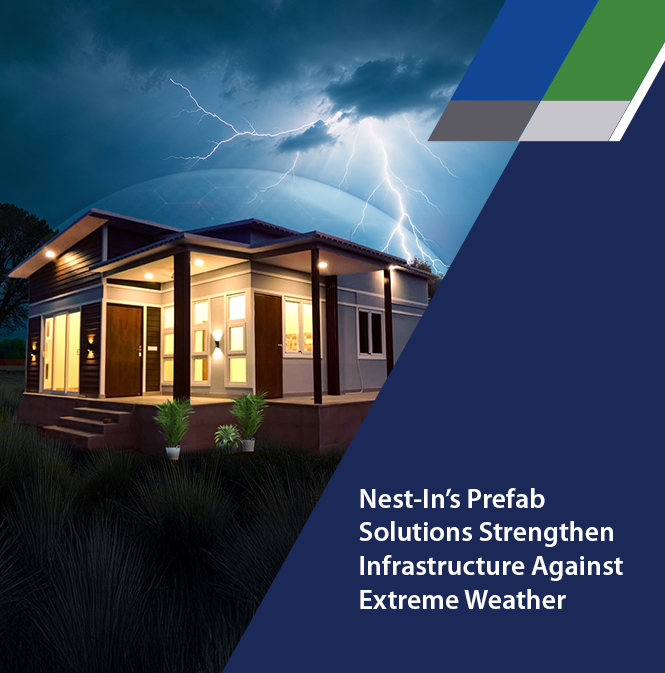
All units are manufactured under ISO 9001:2015 certified processes at registered manufacturing facilities. Structures are engineered to withstand earthquakes in Seismic Zones IV and V as per IS 1893, resist wind speeds up to 240 km/hr and provide fire resistance of up to 90 minutes, which covers the full geographic range a national network has to operate across.
View Nest-In's full project portfolio
The charging rollout will be measured on how many sites are live and how consistently they perform. Both are decided by the construction approach rather than the equipment specification.
Connect with us at 1800 208 8200 or visit www.nestin.co.in to explore modular infrastructure for EV charging networks.
Sources
- Seismic zone classifications: IS 1893, Bureau of Indian Standards
- Project showcase: Nest-In Our Success
- Quality management certification: ISO 9001:2015
Posted in ChargeNest on Sep 25, 2026.




Contact Us
Recent Post
Adding a Floor to an Existing House: Why Vertical Extension Favours Light Gauge Steel
Disaster Response Infrastructure: Building for the Window Between Relief and Rehabilitation
Building Schools in the Districts Conventional Construction Cannot Reach
Defence Hangars: Why Large-Span Structures Decide How Fast a Base Becomes Operational
What a Prefabricated House Costs in India: A Buyer's Guide to the Cost Structure

































































































































































Add comment