
Nest-In Speaks
-

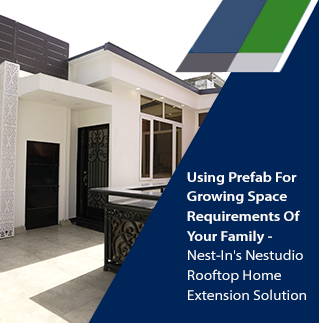
Adding a Floor to an Existing House: Why Vertical Extension Favours Light Gauge Steel
Posted in Nest-In on Nov 04, 2026.
An RCC floor added to an existing house usually triggers foundation underpinning or column jacketing, carried out inside a home the family is still living in. A lighter structure often changes the feasibility answer entirely. Here is what an added floor involves and what decides whether it proceeds. -

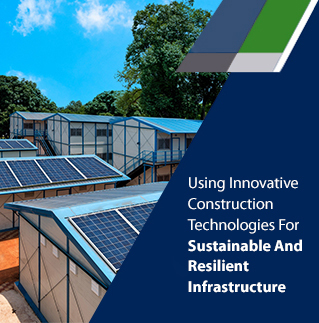
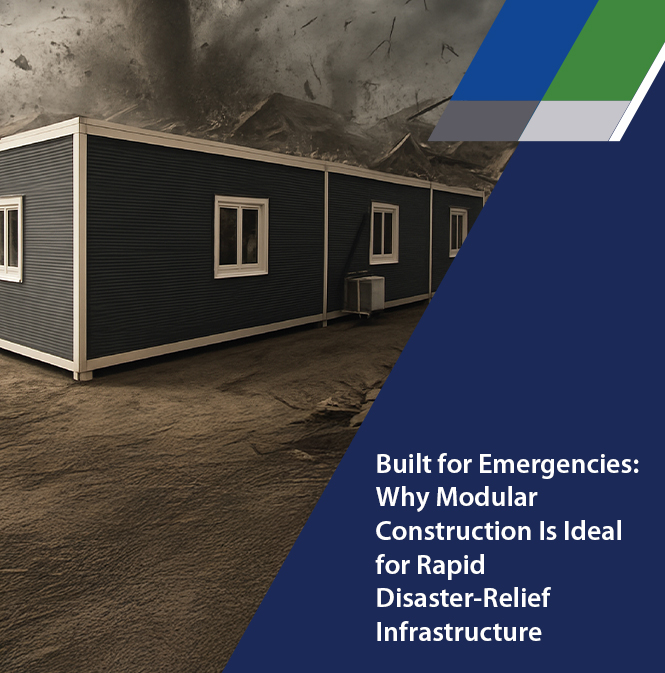
Disaster Response Infrastructure: Building for the Window Between Relief and Rehabilitation
Posted in Nest-In on Oct 26, 2026.
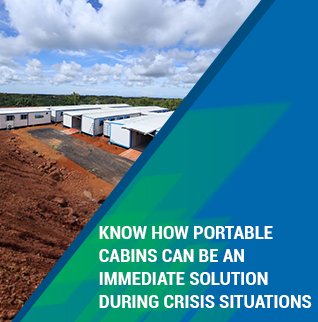
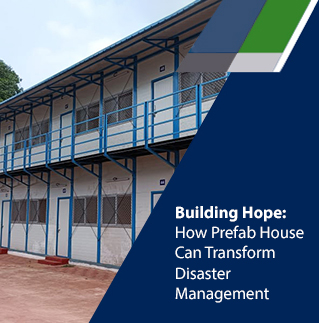
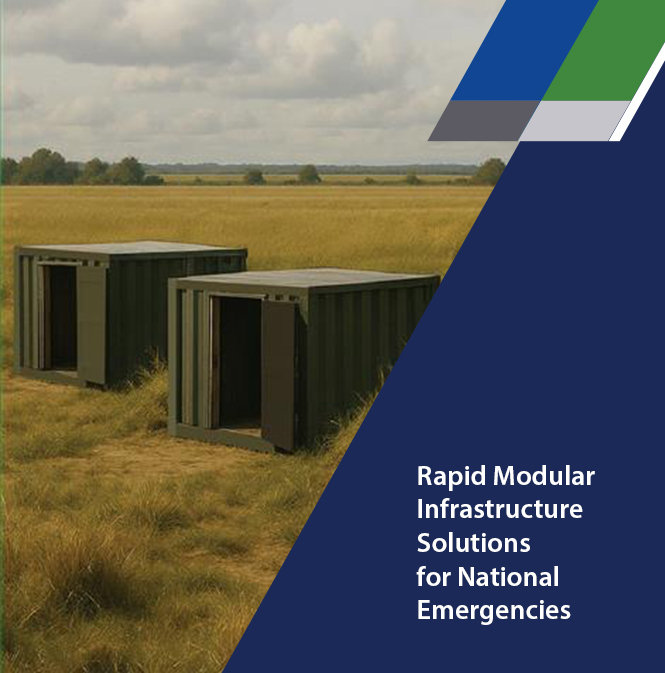
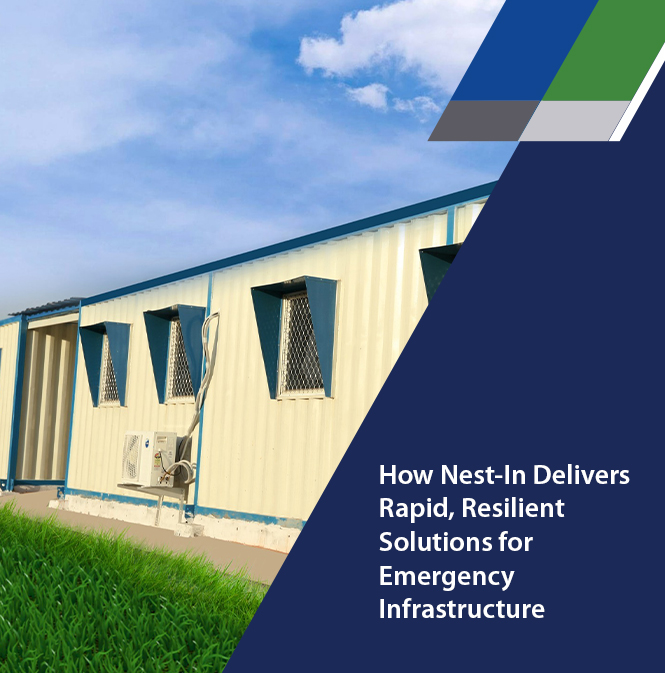
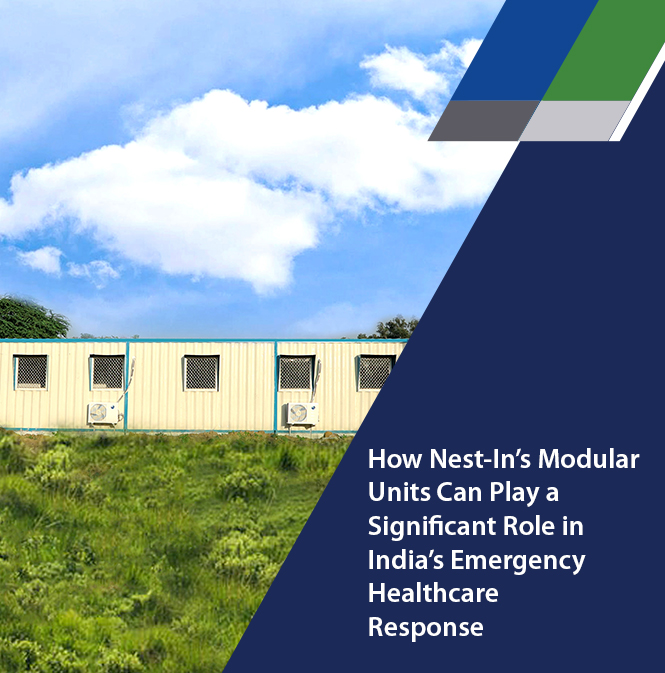
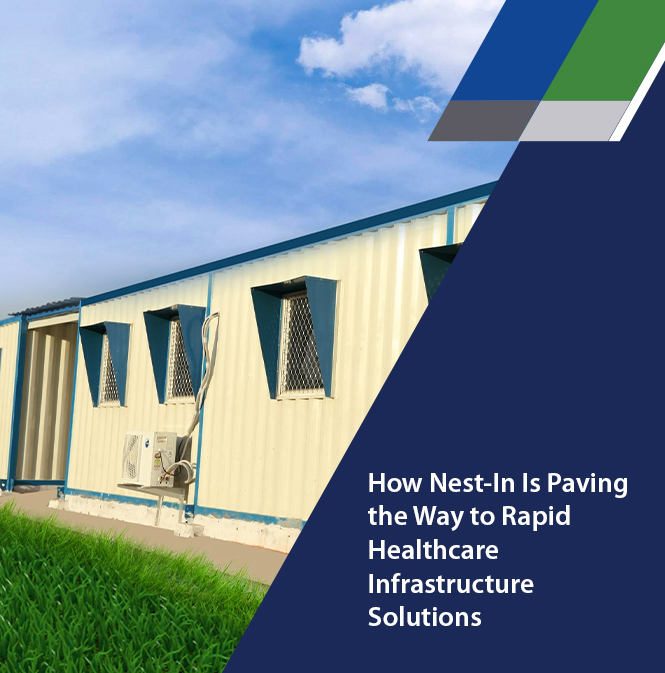
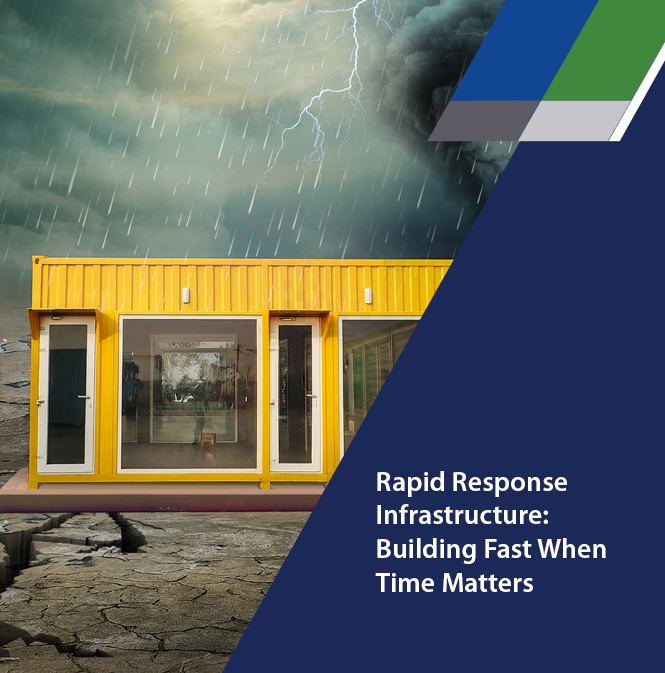
Relief arrives in days. Permanent homes take years. The window in between is where displaced families actually spend their time, and where the least infrastructure is designed to serve them. Nest-In modular units deploy into that gap and are recovered for the next response. -

Defence Hangars: Why Large-Span Structures Decide How Fast a Base Becomes Operational
Posted in Nest-In on Oct 10, 2026.
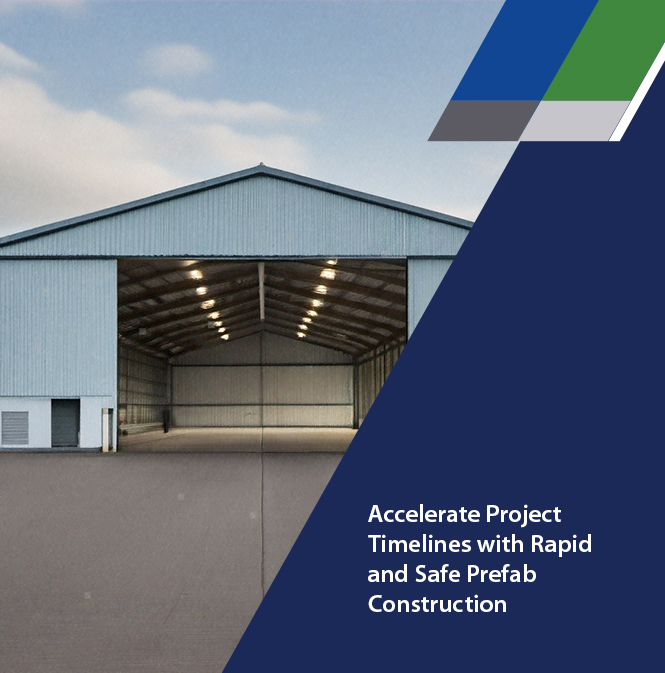
A hangar is defined by the space it does not contain, and the method used to achieve that clear span sets the programme timeline for the whole base. Nest-In pre-engineered structures remove the curing dependency and reduce the foundation requirement that slows conventional large-span construction. -

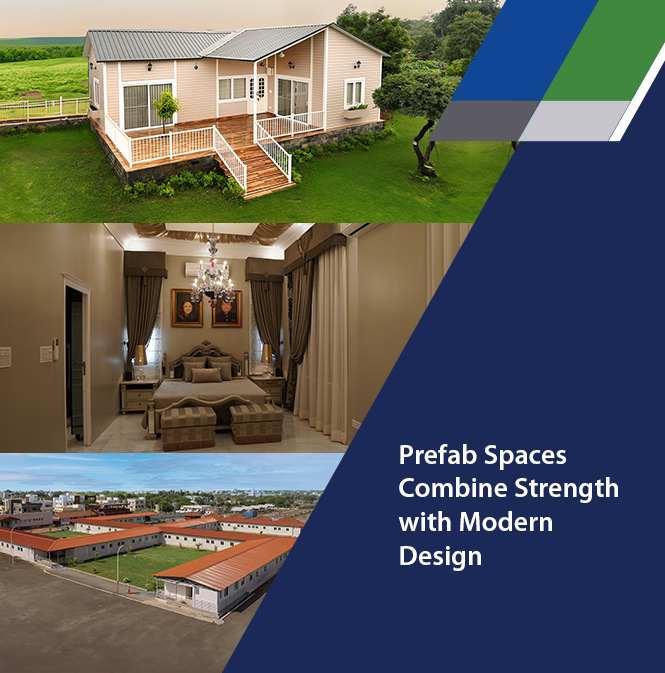
Prefabricated Houses in India: A Complete Buyer’s Guide
Posted in Nest-In on Aug 18, 2026.
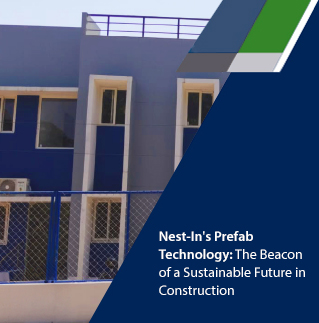
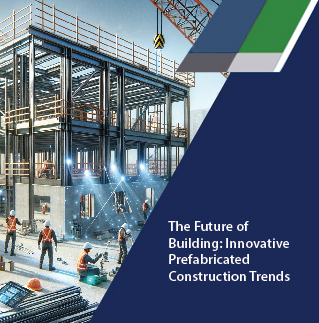
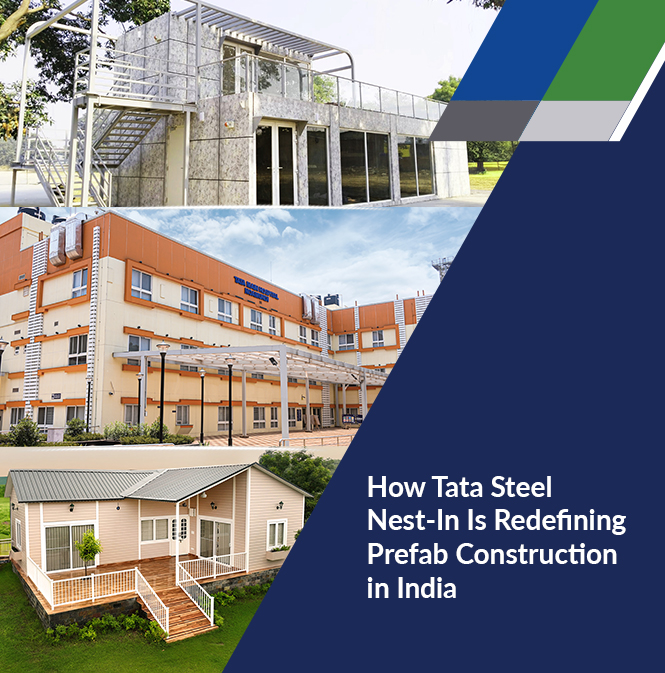
Prefabricated construction covers more ground than most buyers realise, from LGSF to modular to panelised systems. Here is what actually separates a well-engineered prefab home from a hastily assembled one, and where Tata Steel Nest-In fits into that choice. -

What the Construction Industry Gets Wrong About Reusability
Posted in Nest-In on Aug 10, 2026.
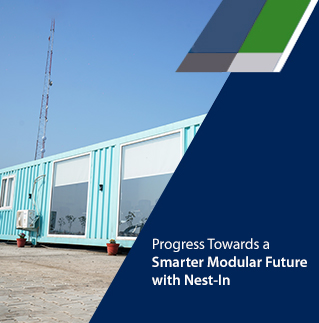
Most conversations about reusability in construction stop at moving a cabin from one site to another. Nest-In's steel-based modular systems tell the fuller story: components that disassemble, redeploy and recover material value across multiple project lifecycles rather than ending as landfill. -

Why "How Much Does It Cost" Is the Question the Construction Industry Avoids
Posted in Nest-In on Jul 25, 2026.
Conventional construction defers the real cost conversation until well after a buyer has committed. Nest-In's factory-fixed specifications and upfront feasibility assessment bring cost predictability and full lifecycle value into the conversation from the first enquiry. -

How Prefab Construction Is Transforming India's Defence and Border Infrastructure
Posted in Nest-In on Jun 28, 2026.
India's border terrain is seismically active, weather-exposed and logistically demanding. Conventional construction cannot keep pace. Nest-In modular units arrive structurally complete, engineered for Zone V seismic conditions and wind speeds up to 240 km/hr, deployable without dependence on remote supply chains. -

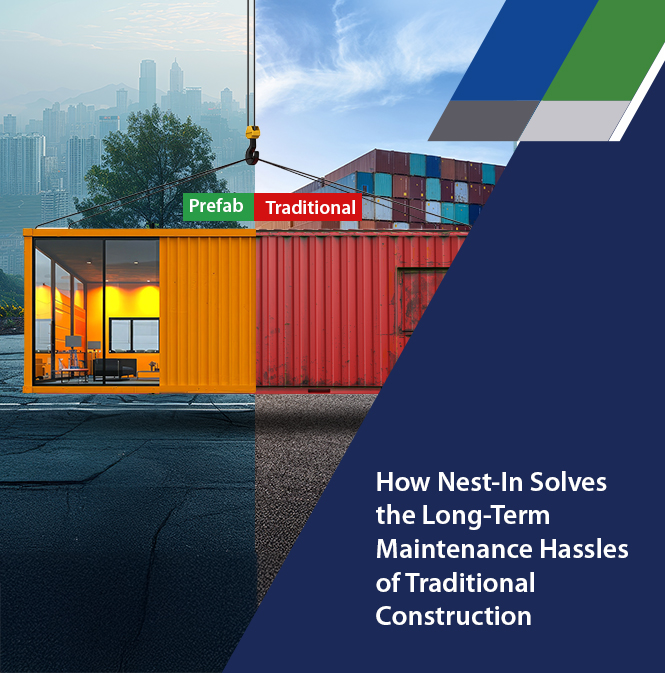
Prefab vs RCC: Which Construction System Actually Delivers More Value?
Posted in Nest-In on Jun 20, 2026.
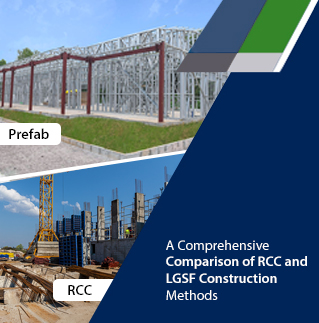
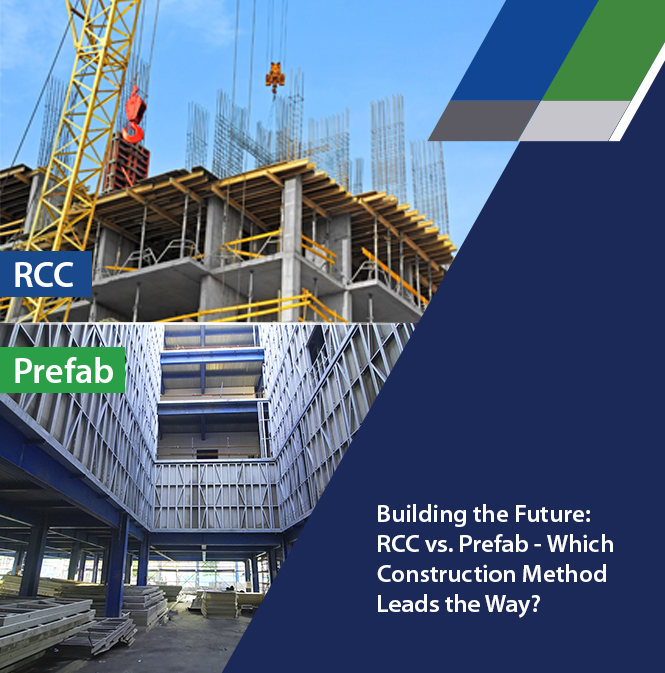
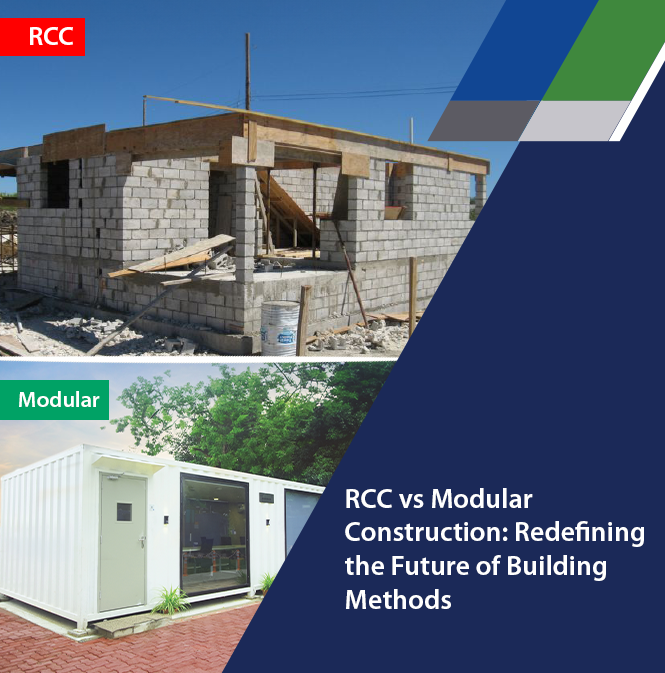
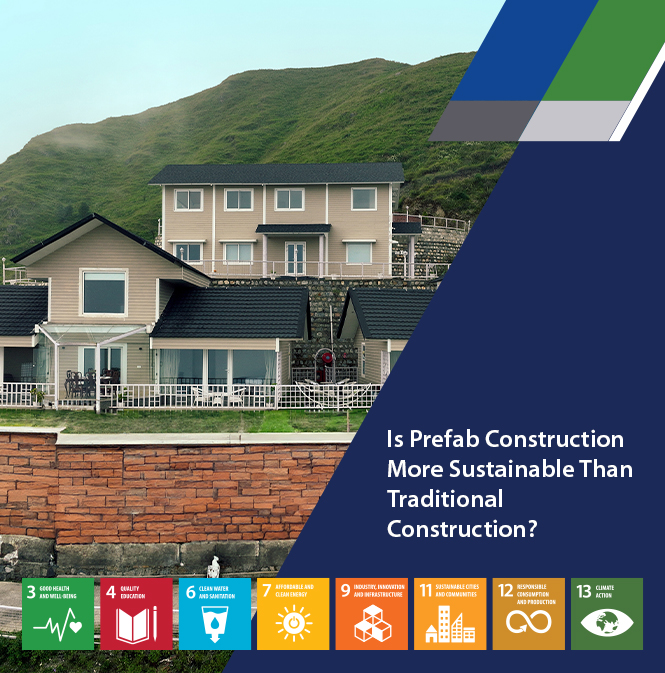
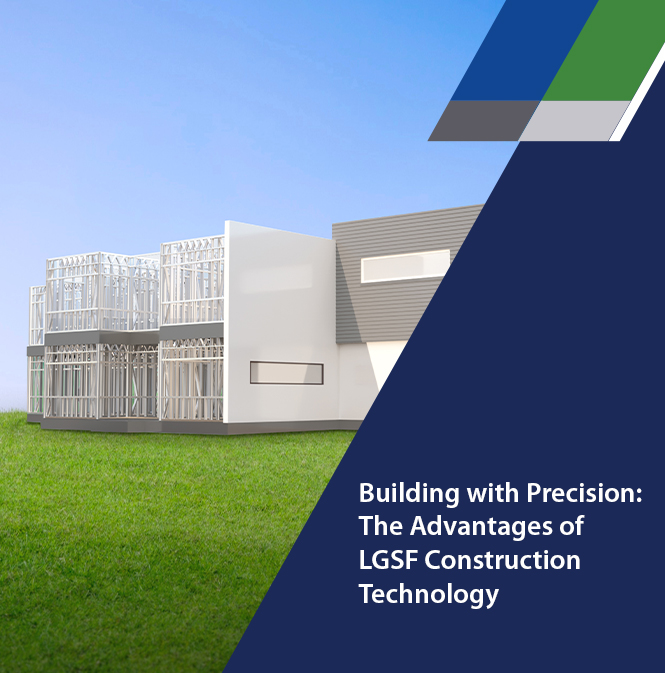
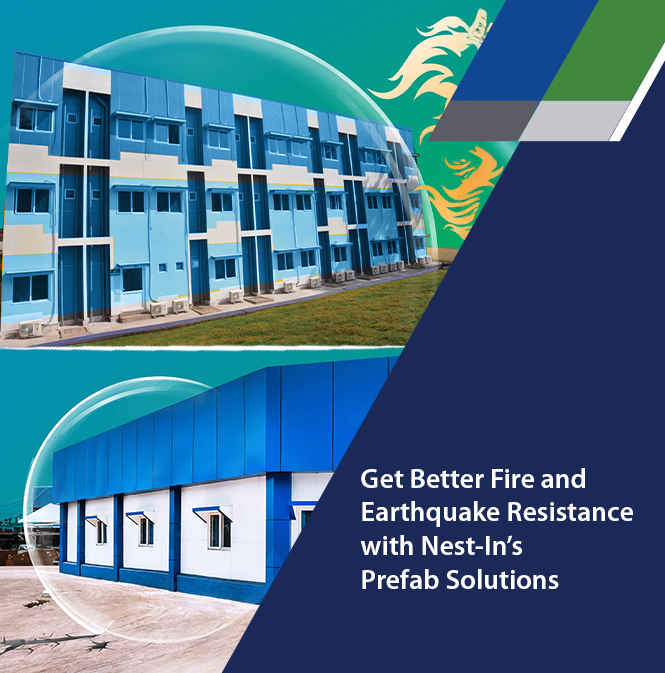
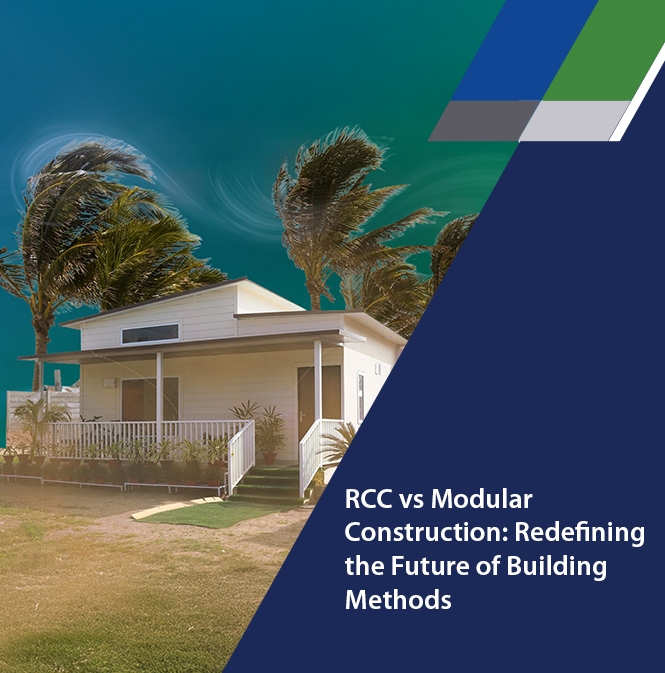
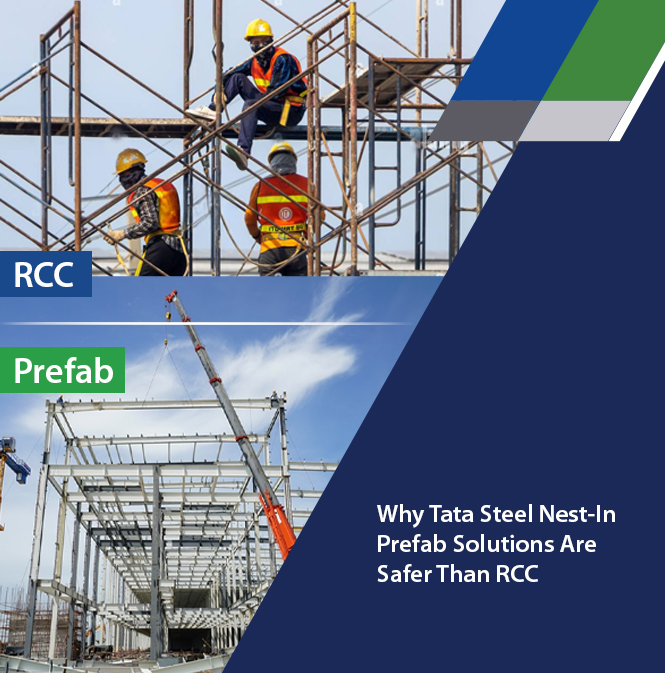
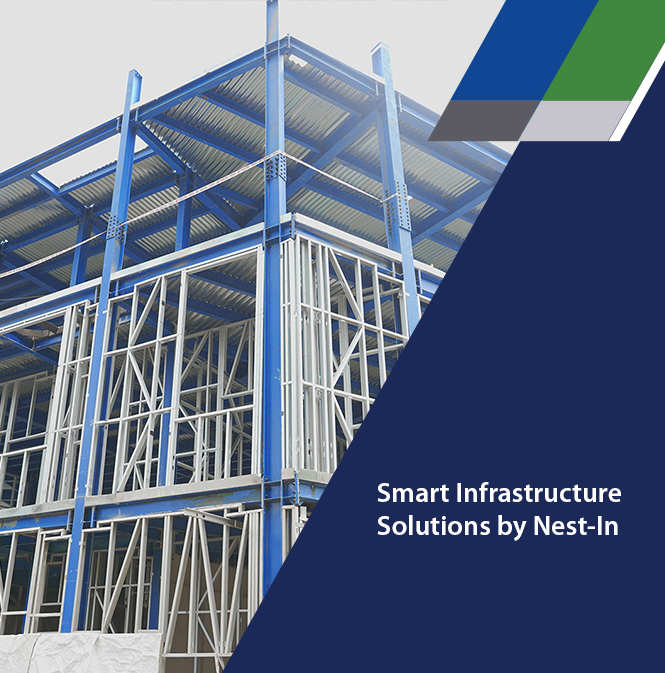
Cost per square foot is the easiest comparison to make between prefab and RCC. It is also the least useful one. Nest-In's LGSF system outperforms RCC across five dimensions that actually determine project value: timeline, cost predictability, structural performance, quality consistency and lifecycle return. -

Five Reasons Construction Projects Are Choosing Prefab Over RCC
Posted in Nest-In on Jun 12, 2026.
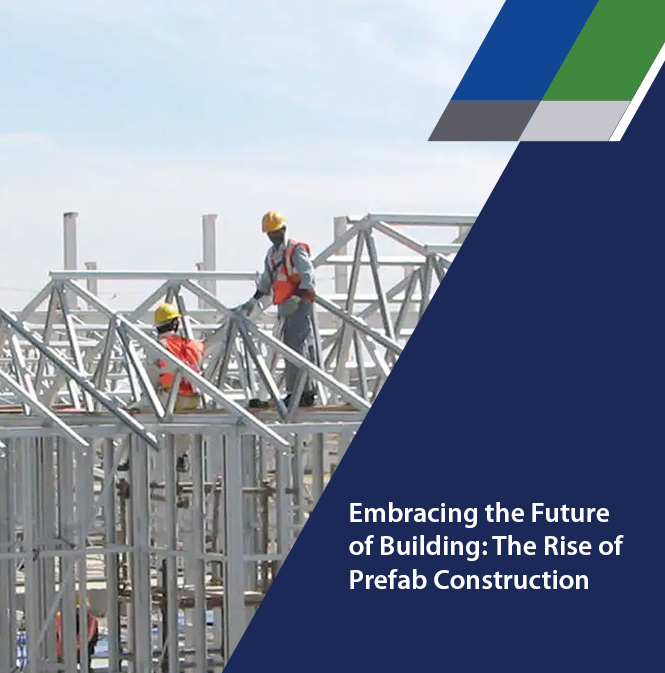
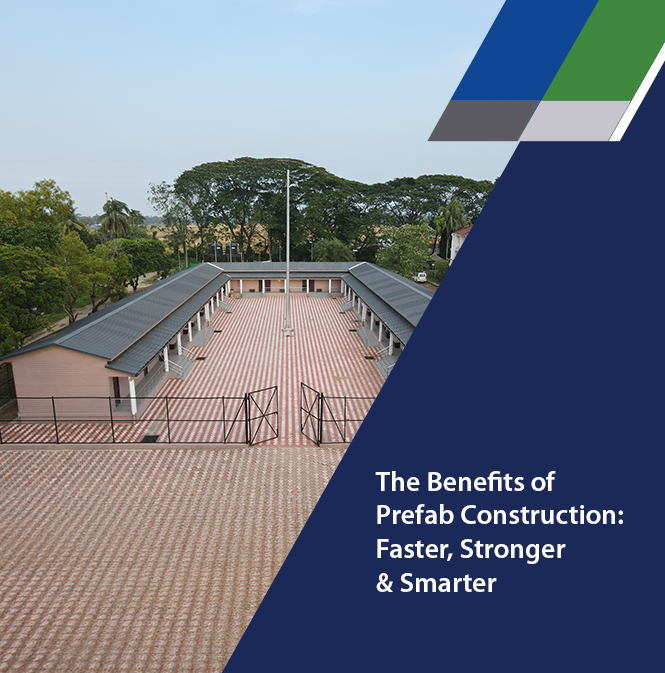
Speed, quality, site efficiency, terrain flexibility and sustainability alignment. Prefab construction outperforms RCC on all five dimensions that determine how well a project actually delivers. Here is why more developers, contractors, and project owners are making the switch. -

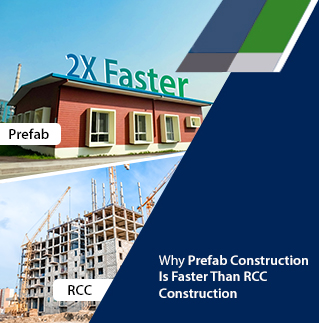
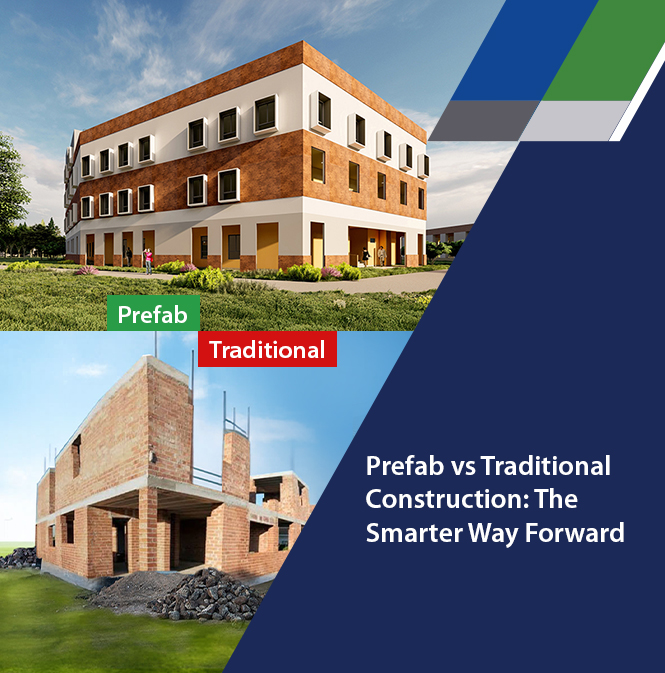
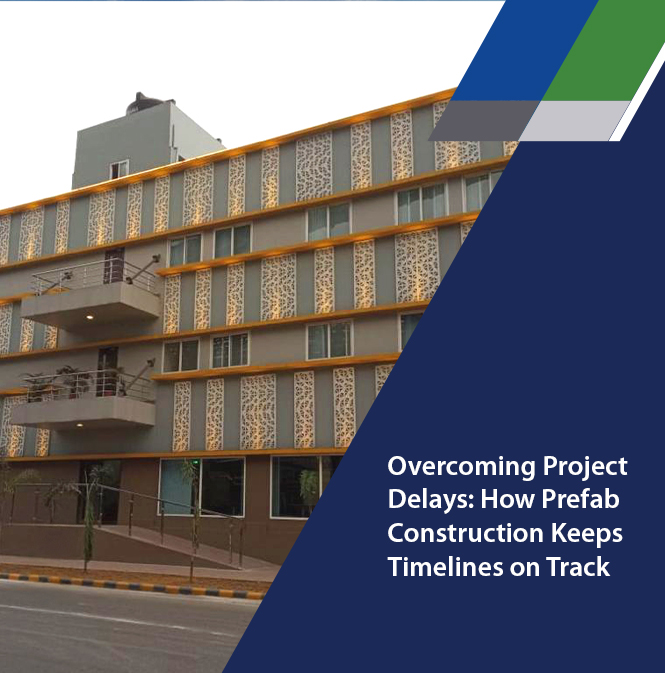
Prefab vs. RCC: A Head-to-Head on Speed and Project Timelines
Posted in Nest-In on Jun 04, 2026.
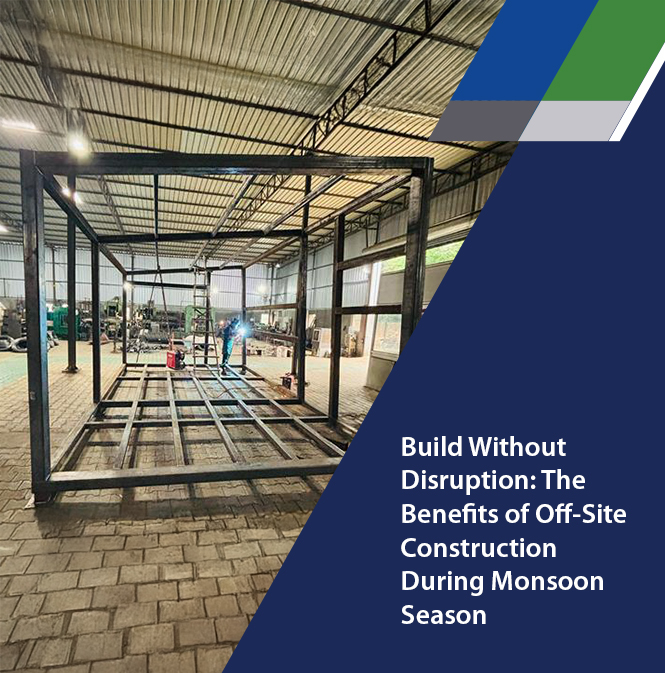
RCC construction is sequential by nature. Every stage waits on the one before it, and the monsoon waits for nobody. Nest-In's LGSF system removes the curing dependency, compresses timelines and gets projects to handover before conventional construction has finished its second pour.
Contact Us
Recent Post
Adding a Floor to an Existing House: Why Vertical Extension Favours Light Gauge Steel
Disaster Response Infrastructure: Building for the Window Between Relief and Rehabilitation
Defence Hangars: Why Large-Span Structures Decide How Fast a Base Becomes Operational